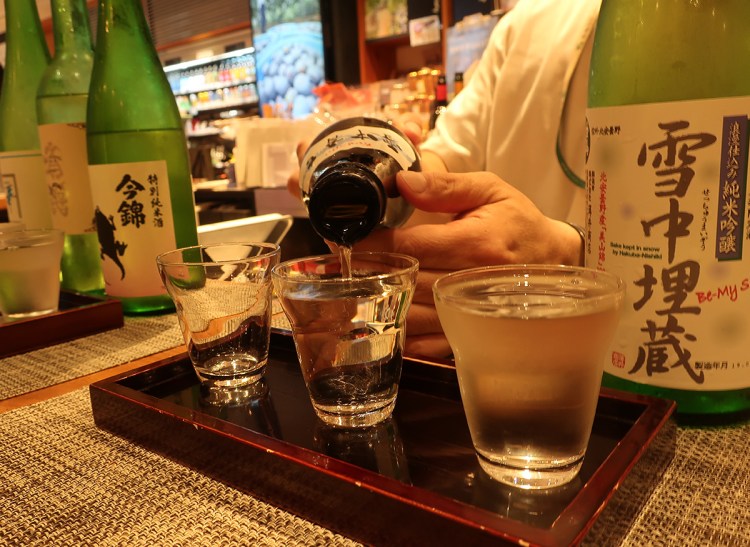
If you’re longing to bring home the amazing tastes of Japan to share with your nearest and dearest, you need to know about antenna shops!
Many regional governments sponsor “antenna” outlets in Tokyo where they sell their most famous wares at the same price you’d pay if you visit the hometown maker.
In one stop, you can pick up delicacies to delight every foodie on your list. These shops offer local handicrafts, snacks and drinks with distinctive local flavors, as well as other edible specialties. Some even have sake tasting bars (at fabulous prices!) to showcase small batch sake makers whose wares are not sold elsewhere.
The stores are rarely instagrammable, but they make up for it by making it possible to say, “I brought you the best ___ in Japan!”
Here’s a map to all my favorites
There’s sure to be one near other spots you’re visiting!
•
Note: There are three very Japanese things that every region makes/grows:
alcohol (sake and shō-chū)
miso
special varieties of Japanese rice
Every region claims theirs is the best, so you can’t go wrong buying those products at a shop that also has the more unusual specialties you’re looking for.
My favorite antenna shops in Tokyo and what to buy there
If you’d like to bring back a taste of Japan that even people who don’t usually cook Japanese food will love, this store is a good place to start:
Toyama
Toyama’s specialties are
rice
soy sauce
soba noodles
This antenna shop is notable because they sell small, premium packages of the most common Japanese products, the kind of gift that every foodie back home can use. For example, this soy sauce is made in a brick koji room by master soy sauce maker Akira Hata…

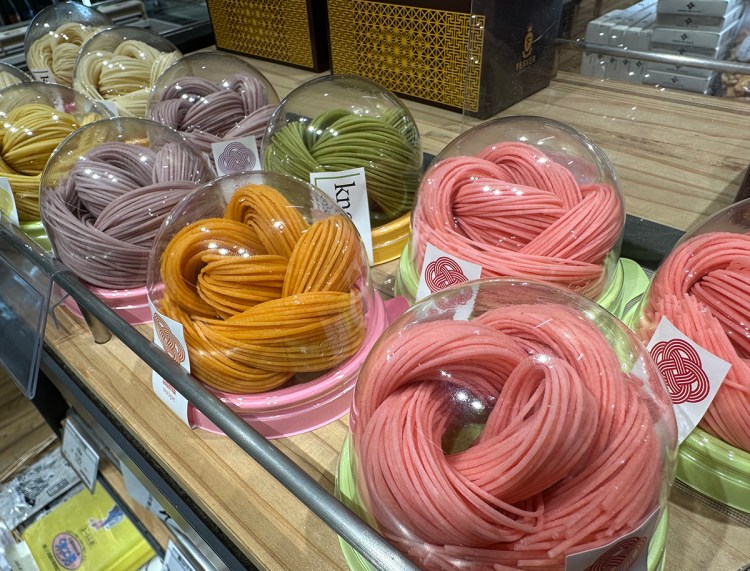
and these premium soba noodles are delicately flavored with a rainbow of tastes…
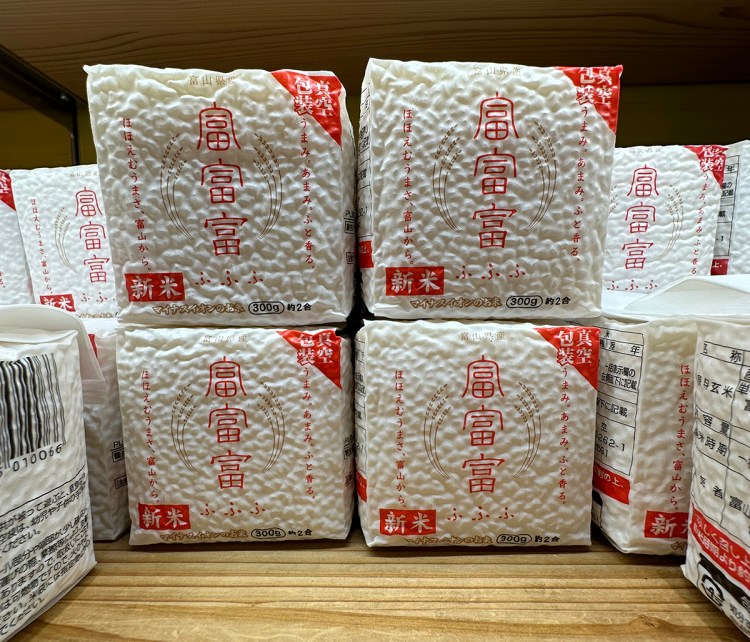
Plus, they sell the local premium rice in attractive little one-cup vacuum-packed cubes that make them easy to pack and give.
The Toyama Prefecture Antenna Shop is on a corner near the Nihombashi Bridge. Here’s what it looks like:

•
Or if you’d like to mix pleasure with shopping…
Nagano
Nagano’s regional specialties are
shichimi (7-spice sprinkle/rub)
soba noodles
sake
Not gonna lie—Nagano has great food (and you can’t go wrong buying anything in this shop) but its biggest draw is that the region really is known for its excellent sake, and to prove it, they have a sake tasting bar on the second floor. You can order drinks of some premium types from the bartender behind the counter, or a few hundred yen, buy coins that allow you to self-serve and taste up to six different sakes.

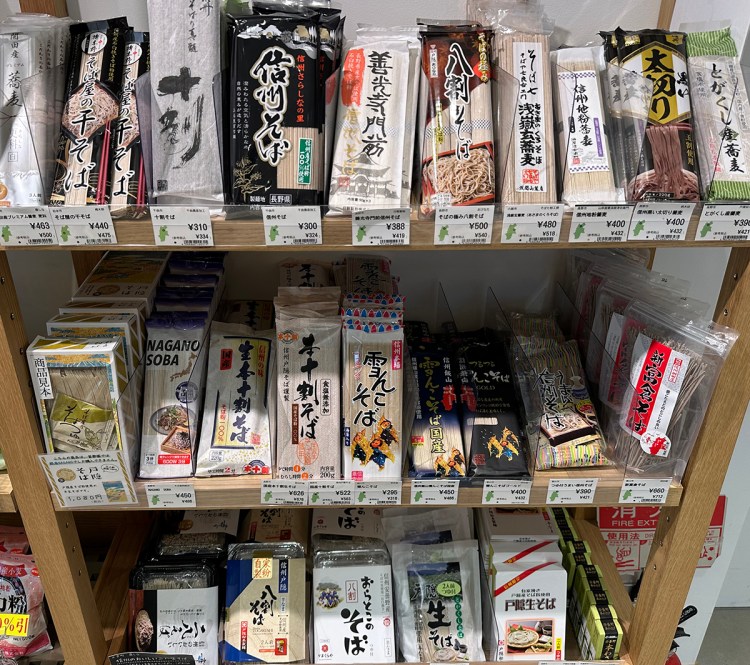
If you love eating Japanese noodles, the Nagano shop is a great place to pick up some soba to take home. It offers plenty of options, including a number that are made with 100% soba flour.
And if you know anyone who’d love to try great flavors of miso they can’t get outside Japan, the Nagano antenna shop has an excellent selection of small, attractive packages, including yuzu miso, sesame miso, and walnut miso.

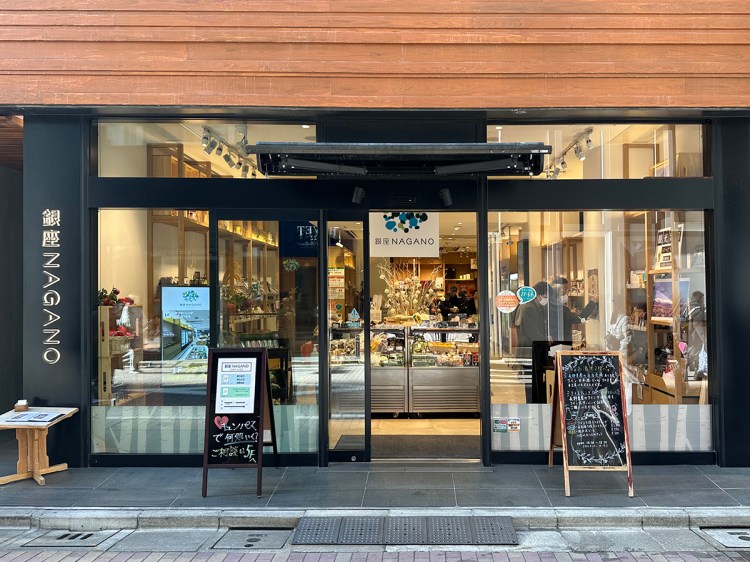
Here’s what the Ginza Nagano store looks like:
•
Kumamoto
Kumamoto regional specialties are
oysters
packaged foods featuring the legendary regional character Kumamon
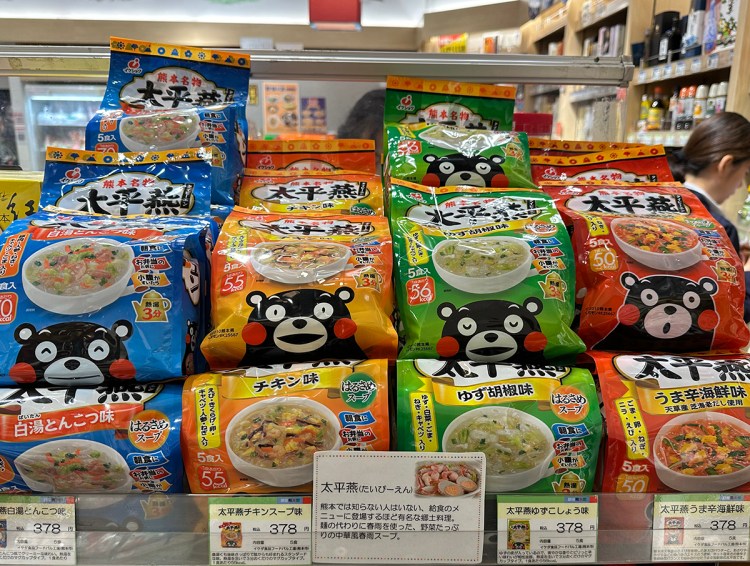
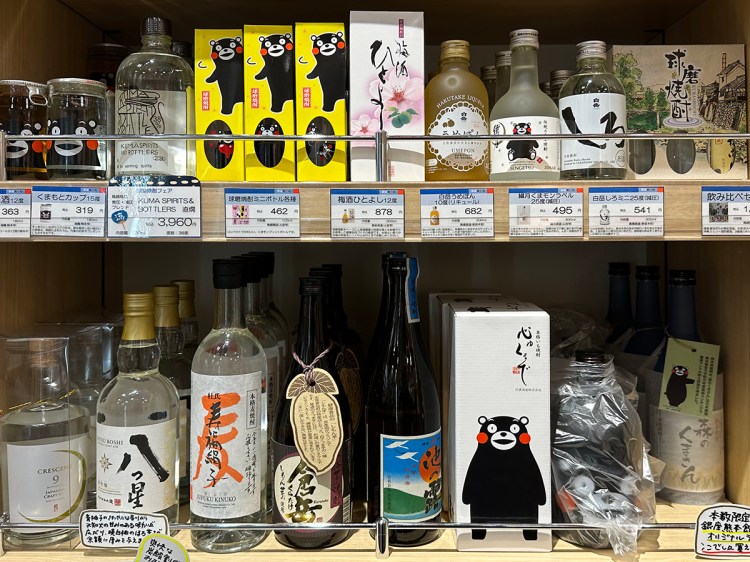
The products are top quality, but the biggest reason to buy your souvenirs here is that Kumamoto’s famously collectible Kumamon character is all over them!
From instant soup to all kinds of packaged foods flavored with their renowned oysters…
every size and flavor of alcohol…
even cookies…

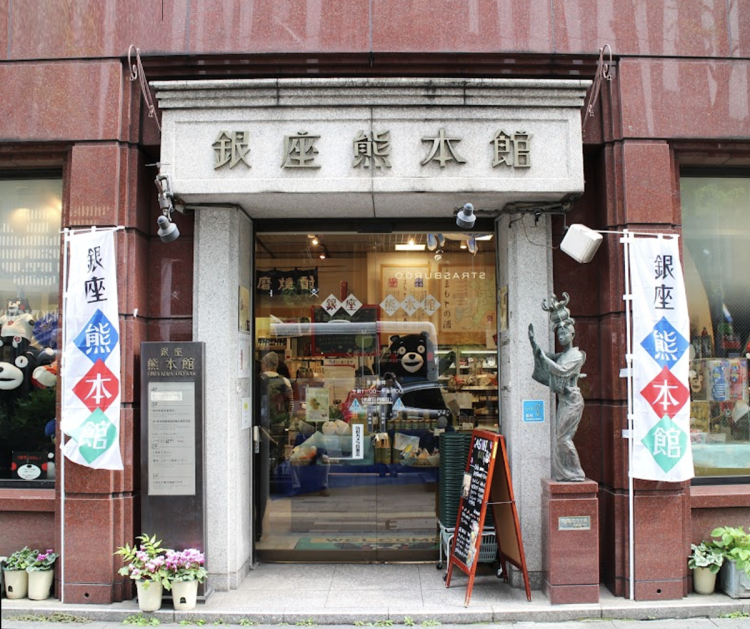
Here’s what the Ginza Kumamoto Kan store looks like:
•
Kagoshima
Things you should buy at the Kogoshima store are:
the best soba sauce in the world
yuzu koshō (spicy citrus relish)
sake nips
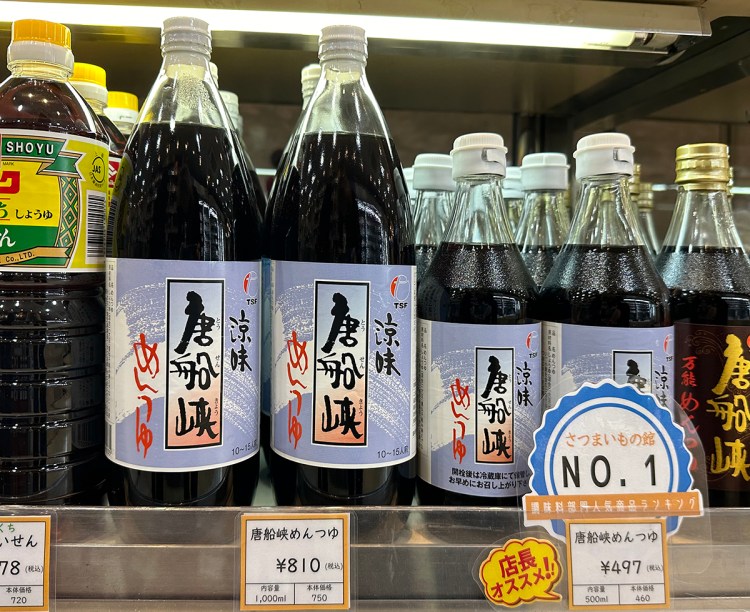
This is what I fill my suitcase with every time I return to the US. I don’t know what they put in this magical concoction, but it really is the most delicious noodle sauce on the planet. If no one on your list is a noodle fan, buy it for yourself.
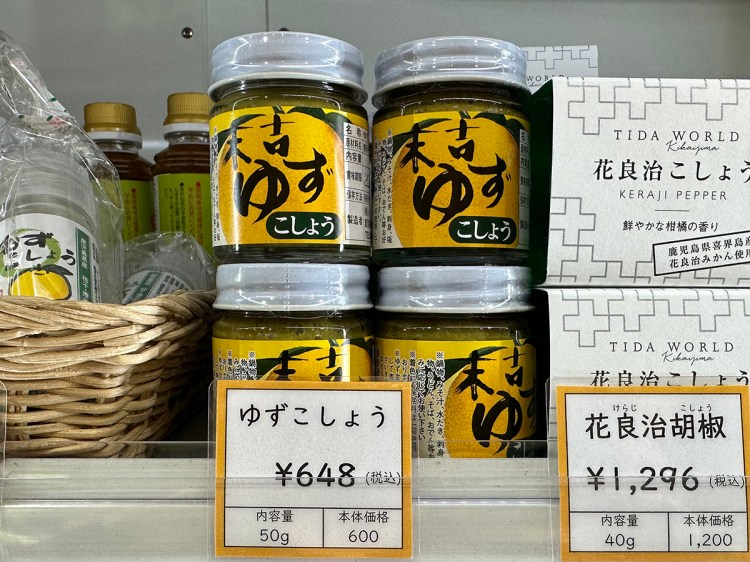
Another thing I bring back in great quantities is this yuzu koshō. This tiny condiment jar really packs a punch—it’s used kind of like harissa, but delivers a spicy Japanese taste of yuzu citrus and togarashi peppers.
And this is the only place I’ve seen nip-sized sake. Perfect for taking back and sharing the fun experience of sake tasting!

Here’s what the Kagoshima Yurakukan store looks like:
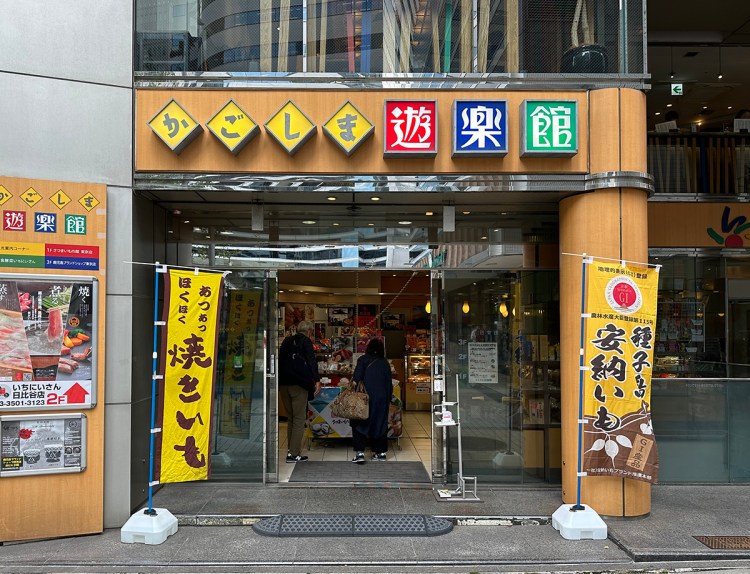
(Also, the Ichi-Ni-San restaurant right upstairs specializes in delicious buta-shabu made with Kagoshima’s famous kuro-buta pork. Buta-shabu is thinly sliced pork and vegetable cook-at-the-table hotpot that you dip in soba sauce, then cook the noodles in the broth it makes at the end.)
•
Okinawa
Okinawa is known for
the tropical citrus fruits sudachi and kabosu
the distilled rice spirit awamori
anything made with black sugar
Okinawa is the Hawaii of Japan, and its flavors are also distinctively tropical. Its sudachi and kabosu limes are famously pressed into service to flavor all manner of snacks and drinks.
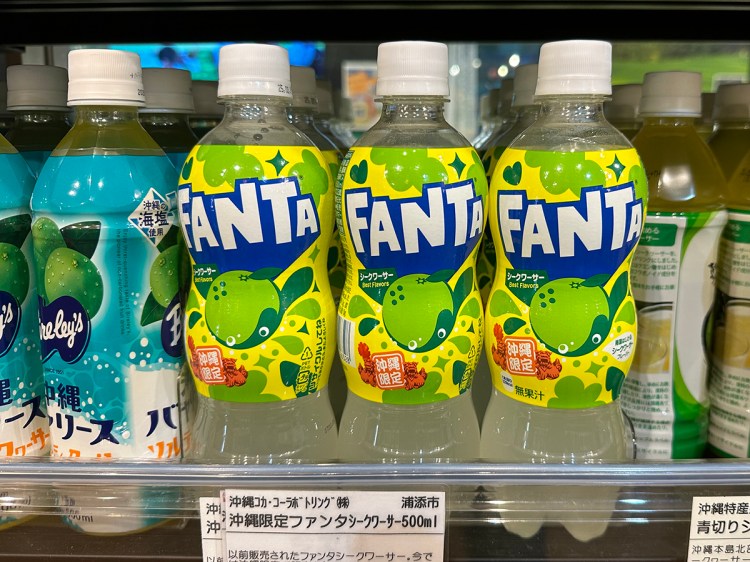
The store also offers a staggering array of products made with Okinawan black sugar (which tastes like brown sugar, except with a deeper molasses flavor).

Okinawa also makes its own distilled rice spirit called awamori, which should be consumed with caution because it’ll whack you upside the head in no time.

The Ginza Okinawan Washita store is on the street-level floor of the Tokyo Kotsu Kaikan and it looks like this:
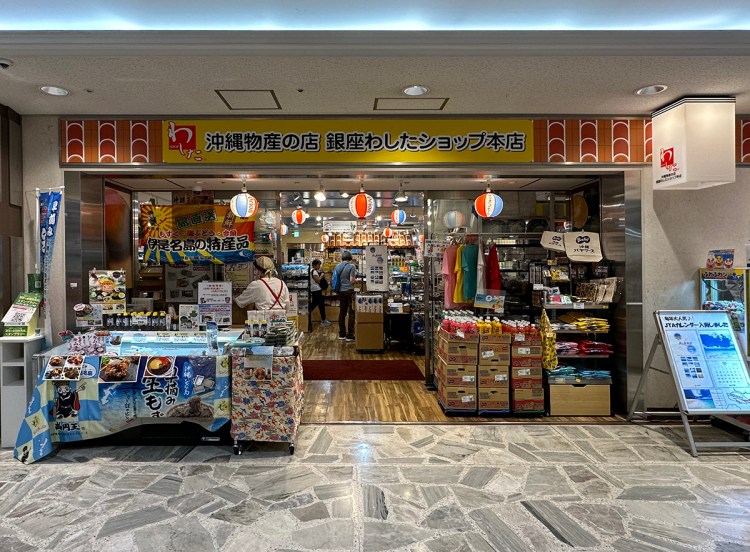
There’s also a restaurant specializing in Okinawan food on the B1 level.
•
Hiroshima
Hiroshima’s regional specialties are
lemon-flavored everything
okonomiyaki sauce
The Hiroshima area grows a special kind of lemon which tastes a lot like Meyer lemons. This lemon-shū is a particularly delicious use of them, but the store carries lots of other lemon-flavored things as well.

Hiroshima is also known for its regional take on okonomiyaki, an omelet-like one-pan meal that’s topped with sauce that tastes good on everything. This shop has a killer selection of all the fixings, including plenty of excellent sauces seldom sold outside Japan.

They also offer a sake tasting bar on the first floor, and a cafe serving okonomiyaki on the second.
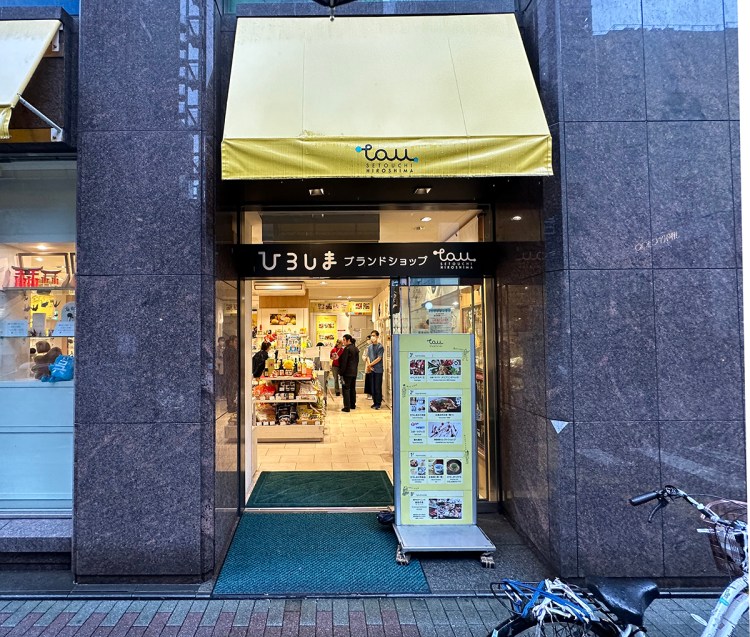
This is what the Hiroshima brand shop Tau antenna stop looks like:
•
Hokkaido
Hokkaido’s regional specialties are
Hascap berries
soup curry
seafood and seaweed
Hascap berries taste like a “four fruit” berry blend, and they only grow in Hokkaido. The crop is so small, this shop is the only place you can buy products made from them outside of Hokkaido. (And hascap jam is absolutely delicious. Everybody loves it.)

Know a curry lover back home? Hokkaido’s soup curry is famous.

And if you know someone who loves to cook Japanese food, they’ll thank you for bringing them some premium dried Hokkaido kombu seaweed, so they can make a super authentic-tasting dashi broth. It really is the best in Japan, and noticeably better than what you can get anywhere else in the world.
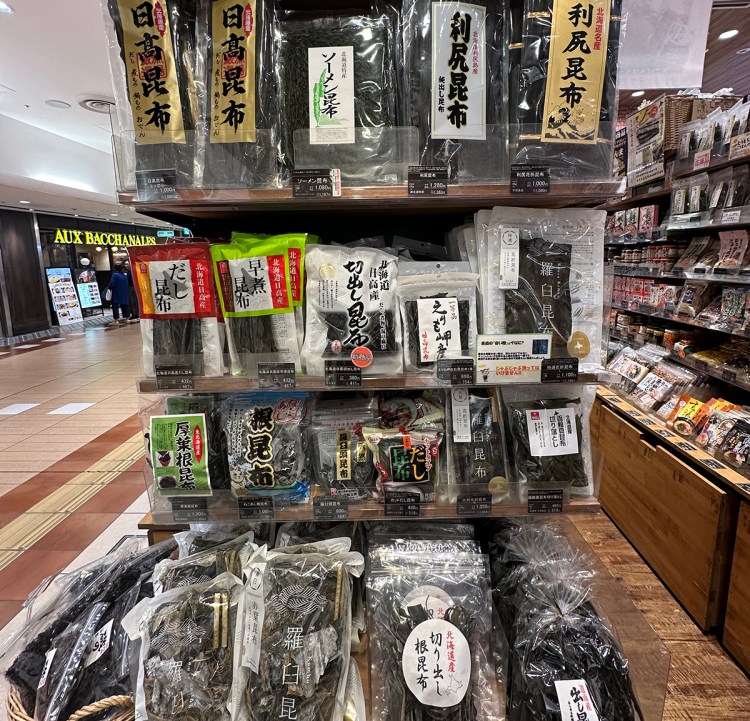
Here’s what the Hokkaido Foodist store looks like:

Hokkaido Foodist Yaesu is a little hard to find because the map pin doesn’t tell you it’s underground, in the sprawling shopping mall on the Yaesu side of Tokyo Station. Stay on the JR ticket gate level and follow the signs toward the Yaesu side, Exit 21.
•
Wakayama
Wakayama’s regional specialties are
All things mikan (Japan’s beloved tangerine)
umeboshi (Japan’s iconic salty-sour pickled plums)
The antenna store offers a surprising array of products made from mikan tangerines…

and a magnificent selection of those puckery salty-sour umeboshi plums that Japanese people eat daily with rice. Love ’em or hate ’em, your foodie friends will embrace a chance to try premium examples of this uniquely Japanese flavor in their next dish.

The Wakayama store also has a standing bar where you can sample their sakes and shō-chū.
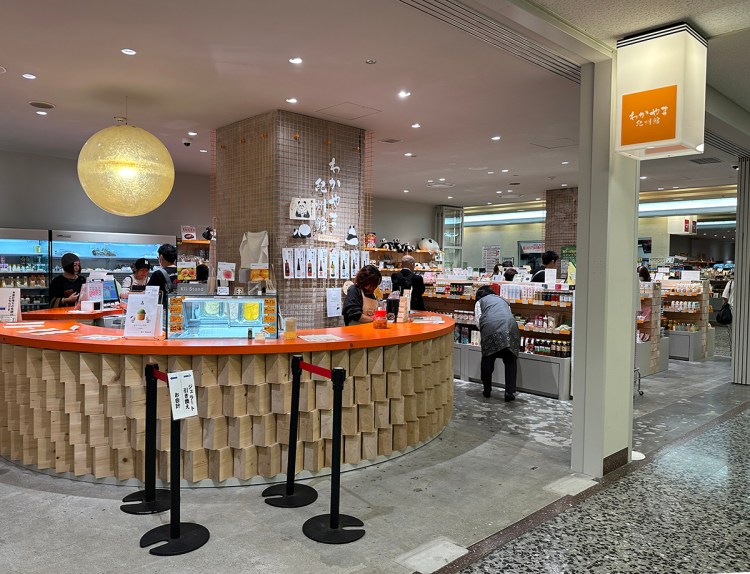
There are a number of small antenna shops inside the Tokyo Kotsu Kaikan. The Wakayama Store is on level B1, and here’s what it looks like:
•
Finally, this antenna store isn’t especially known for foodie souvenirs (although of course they sell local Ehime specialties), but it’s where I’ ha’ve dropped a boatload of yen because they sell the best towels in the known universe.
Ehime
Ehime is known for
Imabari towels
pearls
The selection of giftable hand towels and washcloths with lovely Japanese motifs is legendary, but you’ll be sorry if you don’t pick up some everyday towels too. Imabari towels really are next-level. They’re woven from special cotton, and manage to be ultra-absorbant (swipe it once over your wet arm and it’s dry) while also being extra-soft, lightweight (so they dry quickly) and they never get grubby. I don’t know how they accomplish this magical feat, but even with daily use, they look new forever.

This store also has a fun gachapon machine that dispenses random patterns of washcloths that are a major bargain at ¥500 for the same quality of washcloths on display…
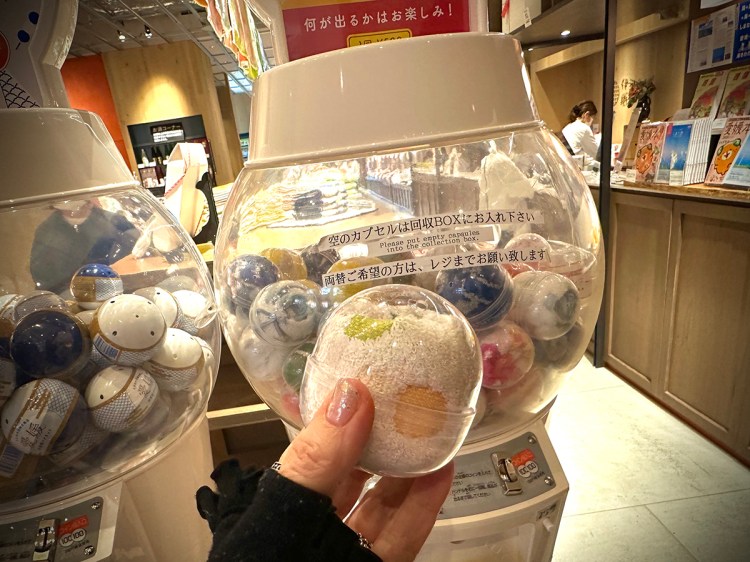
and the only pearl vending machine I’ve ever seen

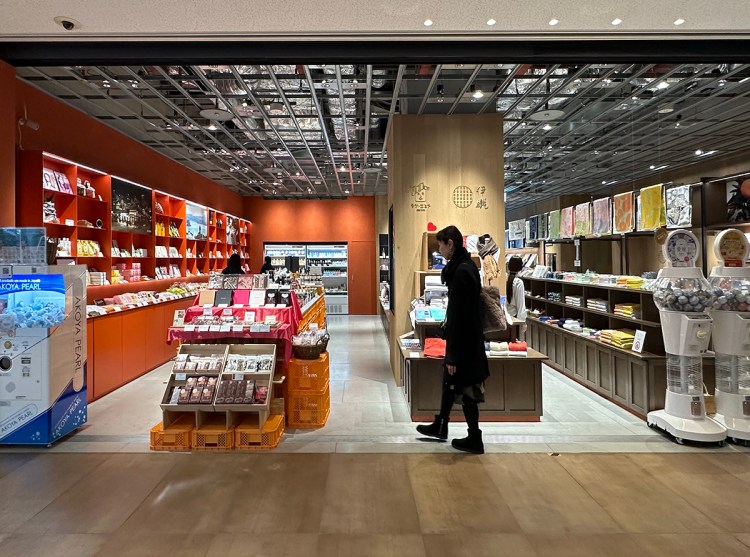
The Shin Ehime store is inside the Kitte shopping complex next to Tokyo Station on the second floor. This what the store looks like:
•
Know someone who’s planning a trip to Japan? Share this post!
And here’s where to click for all the great things I take my friends to see when they come to town:

If you enjoyed this, subscribe!
Get all the latest Japan travel tips and tricks for free ヽ(*^ω^*)ノ
Jonelle Patrick writes novels set in Japan, produces the monthly e-magazine Japanagram, and blogs at Only In Japan and The Tokyo Guide I Wish I’d Had
 Jonelle Patrick writes about Japan