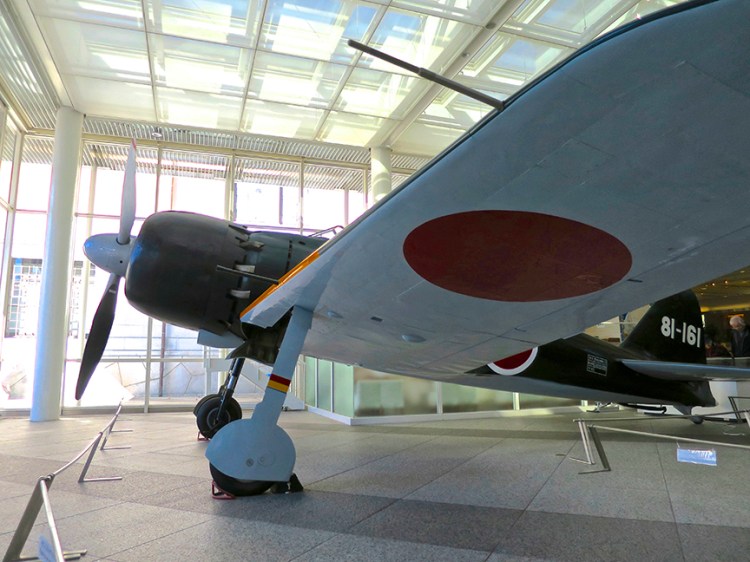
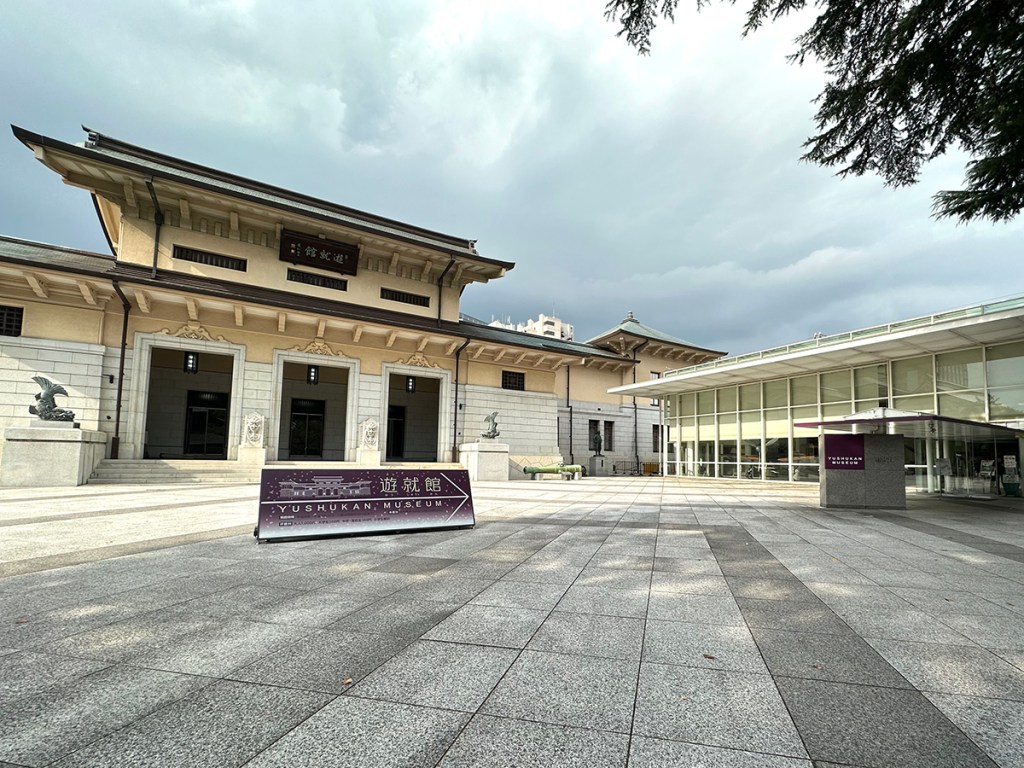
The Yasukuni Shrine grounds are home to an extensive WWII museum, with a fascinating collection of artifacts, weapons and memorabilia from the Japanese side. It’s easy to spend a few hours here, especially if it’s hot or rainy outside.
The Yushukan is arranged as a timeline that starts long before the war, detailing events in Asia that precipitated the crisis and persuaded Japan to bomb Pearl Harbor, then follows the progress of the war from initial victories through the surrender, shedding light on little-known events along the way.
There’s a large hall featuring the real planes, boats and human-steered torpedos manned by the kamikaze pilots (If you’re interested, here’s a deeper look into the fact that the kamikaze didn’t just fly planes)…
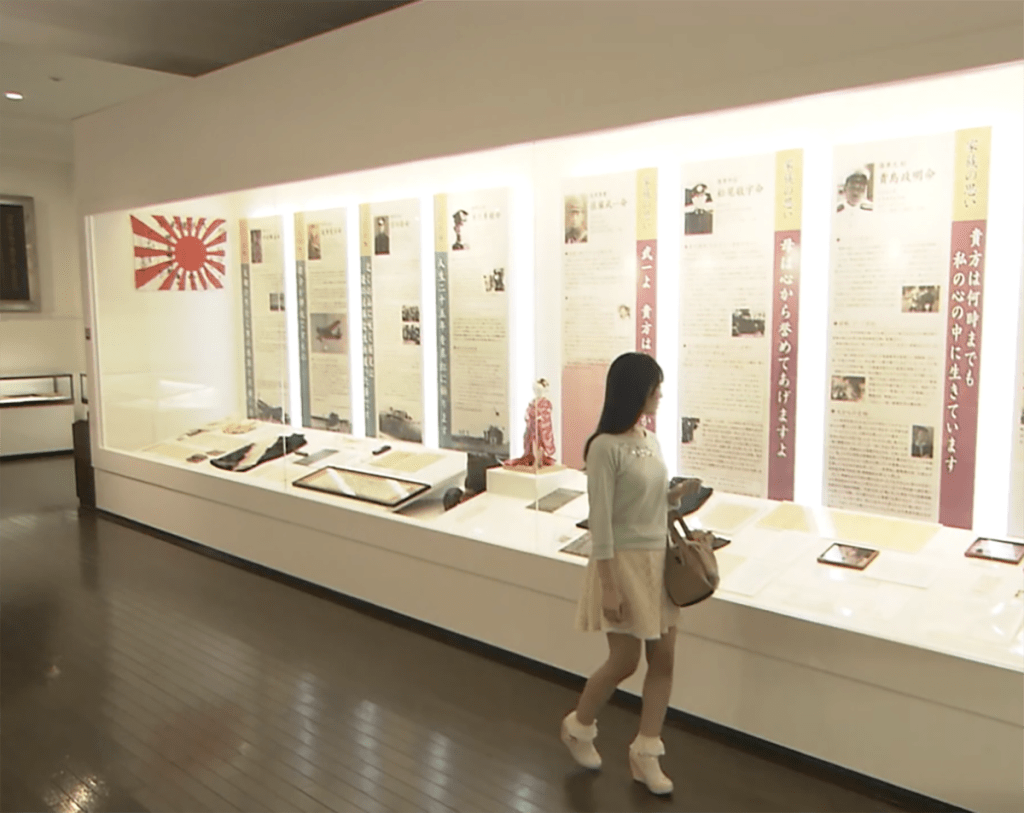
There’s also a series of galleries devoted to memorabilia from members of the kamikaze corps, with some of their letters home translated into English and the “thousand stitch” belts made by loved ones.

The kamikaze galleries also showcase a display of bride dolls that were donated to be “afterlife wives” to soldiers who died in battle before they had a chance to marry.

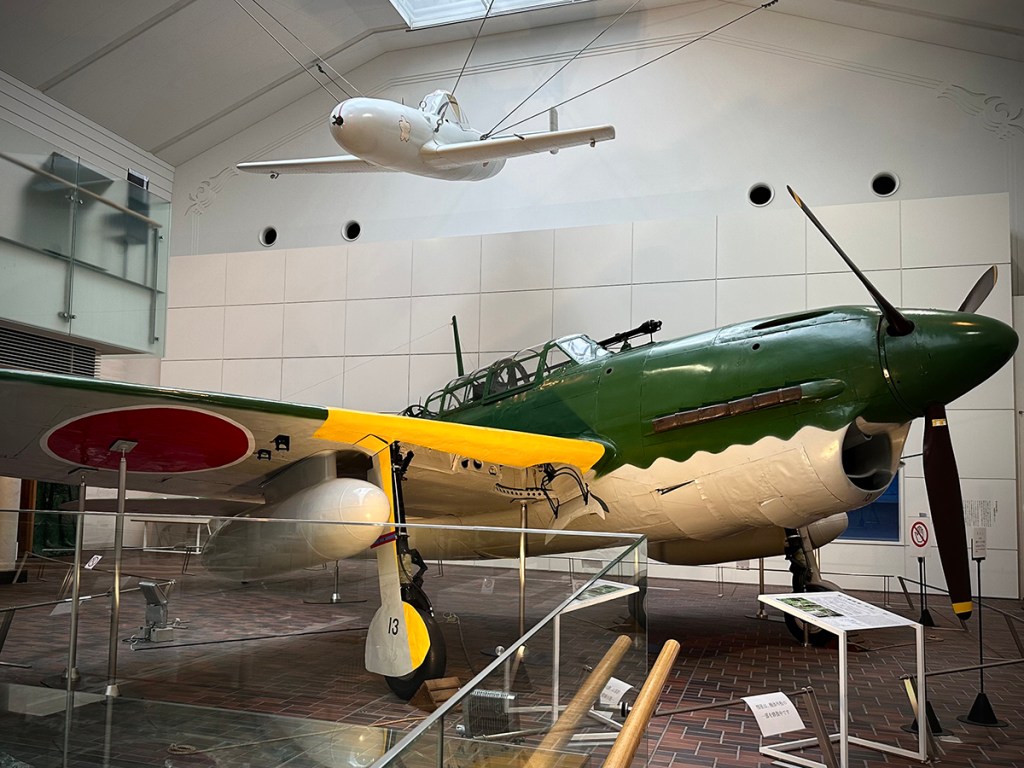
There are plenty of planes, boats and tanks…

as well as detailed models of items too big for a museum…

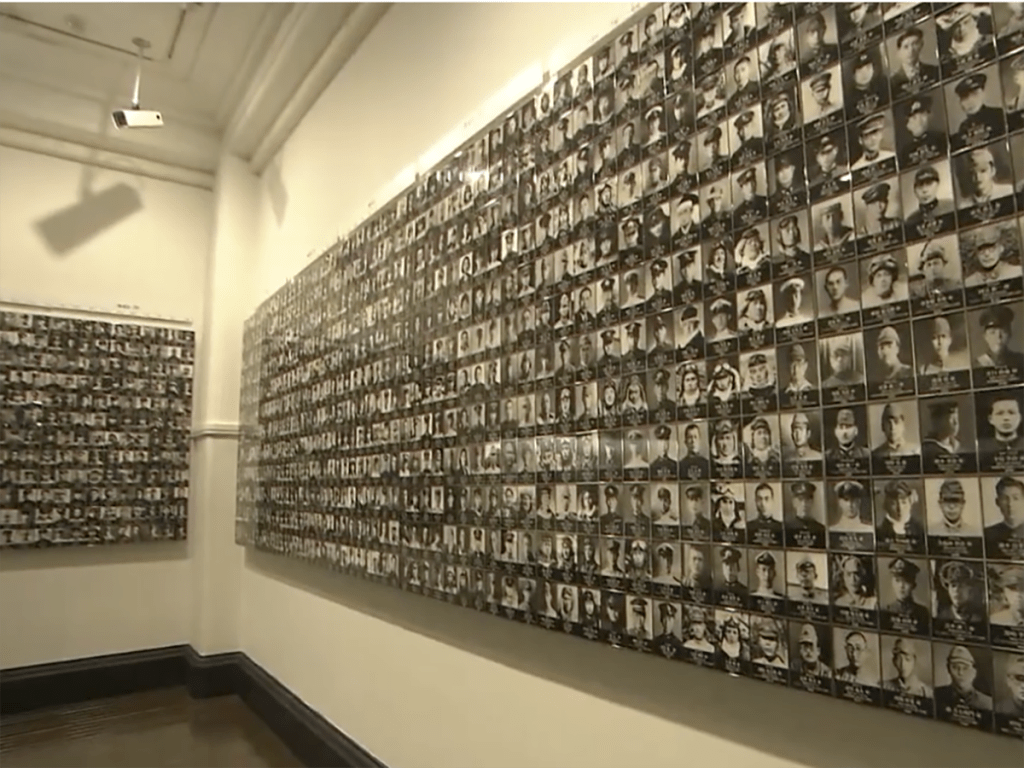
The walls of several galleries are devoted to photos of every Japanese citizen who fought and died in the war…
But there are also odd and heartwarming displays like this South Pacific coconut that a Japanese soldier used to write a letter to his wife, which washed up on Japanese shores 31 years later.

The Yushūkan also houses some quite excellent swords and armor of samurai soldiers, because it was built to honor the spirits of all warriors who gave their lives fighting for their country.
And that’s why the Yasukuni Shrine is the most controversial Shinto shrine in Japan: some of the WWII spirits enshrined there were considered to be war criminals by other countries. If a public figure goes there to pray, it creates an outcry from all the places that do not feel Japan has made a sufficient apology for atrocities committed in that war.
If you’re at all interested in WWII, this museum is a unique opportunity to see artifacts and a side of the war seldom seen in the West.
•
Yushūkan Museum
Open: Every day
Hours: 9:00 – 16:30
Admission: Adults, ¥1000
There’s a video and more information (in English) on the Yushūkan website
•
If you enjoyed this, subscribe!
Get all the latest Japan travel tips and tricks for free ヽ(*^ω^*)ノ
And here are the other places I take my friends when they come to town
•
Jonelle Patrick writes novels set in Japan, produces the monthly e-magazine Japanagram, and blogs at Only In Japan and The Tokyo Guide I Wish I’d Had
 Jonelle Patrick writes about Japan