
You wouldn’t be here if you weren’t a good Japan traveler, so you already know to take off your shoes off outside the door, you wouldn’t dream of eating and drinking while walking around, and the last thing you’d ever do is get on a train while blabbing on your phone.
But there are a few other things nobody tells you about, that nevertheless drive locals crazy. (And just between you and me—this is on them, not you. Most of these only offend because residents don’t realize that things are done a little differently in Japan than in the rest of the world and it’s not considered impolite back home.)
But if you don’t want to be the kind of barbaric tourist people trot home and complain to their neighbors about, read on for a few advanced “good traveler” tips that may not be on your radar.
Backpacks on the train
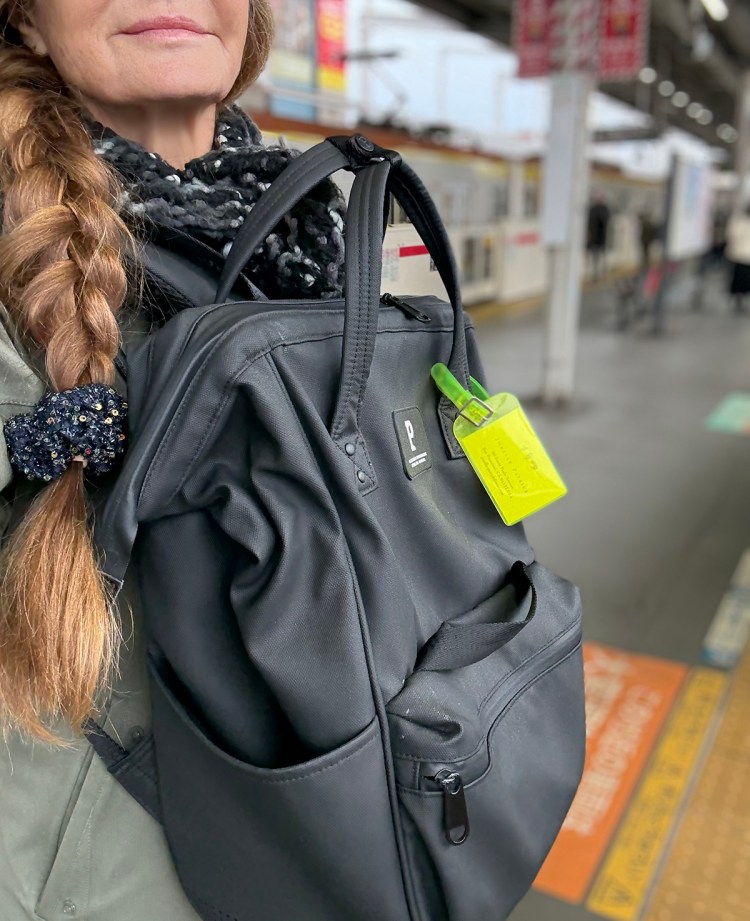
Wear it in front, not in back. That way, you can easily sit down if a seat opens up, you don’t accidentally hit people with it when you turn around, and it doesn’t block people trying to move past you to get on or off the train.
•
Bring socks if you’re not wearing any

Tuck a pair of socks into your bag, because you might have to leave your shoes/sandals at the door of a museum or restaurant. Yes, tatami mats are much cleaner than most floors—it’s your bare feet that are icky. Imagine how smelly that museum or restaurant would be if hundreds of visitors walked across those rooms with bare, sweaty feet every day…? And even if they offer slippers, would you want to wear a pair that had just had a stranger’s bare sweaty feet in them?
•
Wait your turn, even if there’s not an obvious line
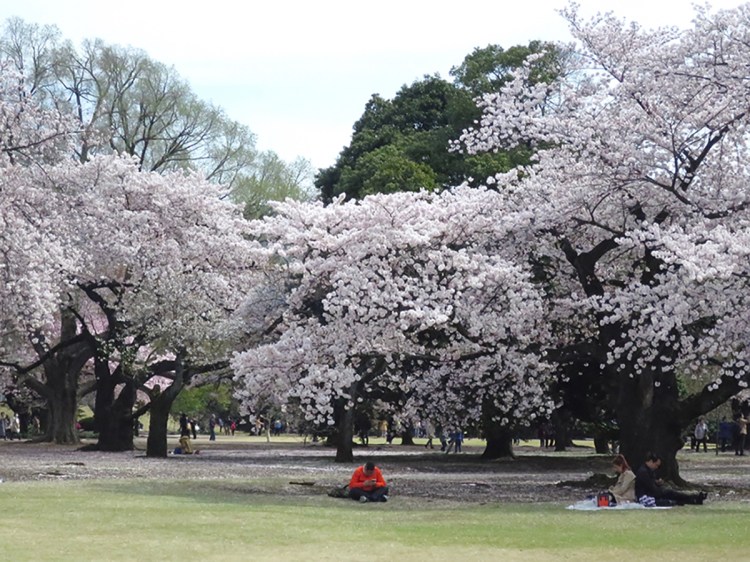
If there’s a crowd, it’s safe to assume most people are there to snap the famous view or that perfectly blooming cherry tree, so be aware of who’s been waiting longer to step up into the perfect vantage point or point their loved one into the key spot. And when it’s your turn, don’t hang around hogging the spot afterward while you check your photos to re-take if they’re no good. Step aside, check to see if you got what you wanted, then wait your turn again if you need to shoot another round.
•
Don’t block the escalator
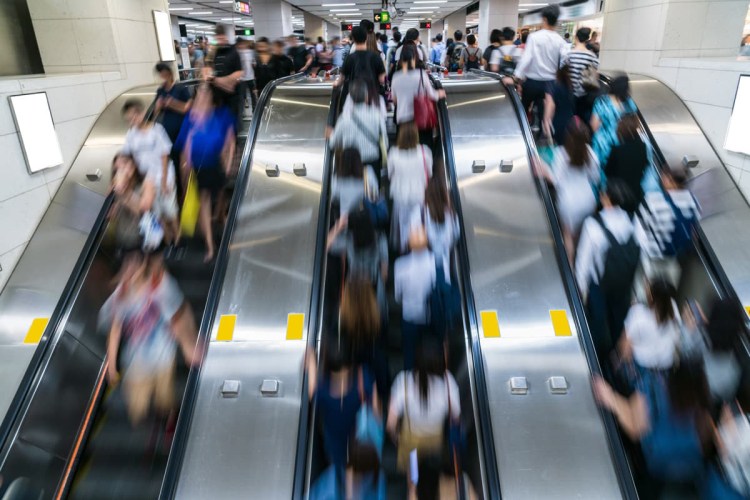
Despite the authorities’ current campaign to move the average number of people in and out of public places more efficiently,* all Japanese commuters tacitly agree that those who are in a hurry should be able to climb (or walk down) the escalator on one side, while those who have time to stand and ride occupy the other. So if other people are walking, please walk (or stand aside to let them pass).
*Obviously, more people can be moved at one time if each escalator step is occupied by two people, not one. The problem is, Japanese escalators are slow—I beat them all the time just walking up the stairs instead—and those who are in a hurry count on being able to dash up one side in order to make their appointment or the next train.
•
See with your eyes, not with your hands
Naturally, some things need to be touched to decide if you want to buy—is that sweater soft or scratchy?—but in Japan, prices are generally posted near the item, not stuck to the underside, so there’s no need to make work for the poor staff member whose job it will be to wipe your fingerprints from every piece of merch you handled, then reposition it nicely on the shelf after the door closes behind you. (Also, the item on the shelf may just be for display. Unless it’s the last one in stock, the staff will most likely fetch you a new, untouched one from the storeroom in back.)
•
If you enjoyed this, subscribe!
Get all the latest Japan travel tips and tricks for free ヽ(*^ω^*)ノ
And here are the other places I take my friends when they come to town

•
Jonelle Patrick writes novels set in Japan, produces the monthly e-magazine Japanagram, and blogs at Only In Japan and The Tokyo Guide I Wish I’d Had
 Jonelle Patrick writes about Japan