
Asakusa-bashi is the neighborhood where they sell the incredibly expensive dolls displayed on Girls’ Day, and also the home of quirky souvenir emporium Shimojima and many excellent beading and jewelry-making supply stores.
First, the doll stores! This is the neighborhood where they make and sell the amazing doll sets for Girls’ Day, and miniature samurai armor for Boys’ Day. These dolls aren’t toys—they have the power to heal, grant wishes and delay a daughter’s marriage if left out too long. And because they’re sacred, they can’t be thrown away when they get old – they have to be cremated in a special ceremony at a shrine.

A full set includes seven ranks of dolls: the emperor and empress at the top, followed by three shrine maidens, five court musicians, the Minister of the Right and the Minister of the Left (no, seriously, that’s what they were really called!), five wise men, who are usually portrayed grimacing in the three stages of drunkenness—anger, weeping & laughter—then two steps arrayed with household goods.
Not surprisingly, these dolls have been elevated to a high art, and sets made by the most famous artisans can cost hundreds of thousands of yen!

The hina-sama usually get their day in the sun on their own version of the Red Carpet, but in families scrabbling for ways to spend even MORE money, some get their own palaces

But let’s take a closer look at the empress dolls. They’re usually dressed in ju-ni-hitoe, the twelve-layered kimonos that were fashionable in Heian times
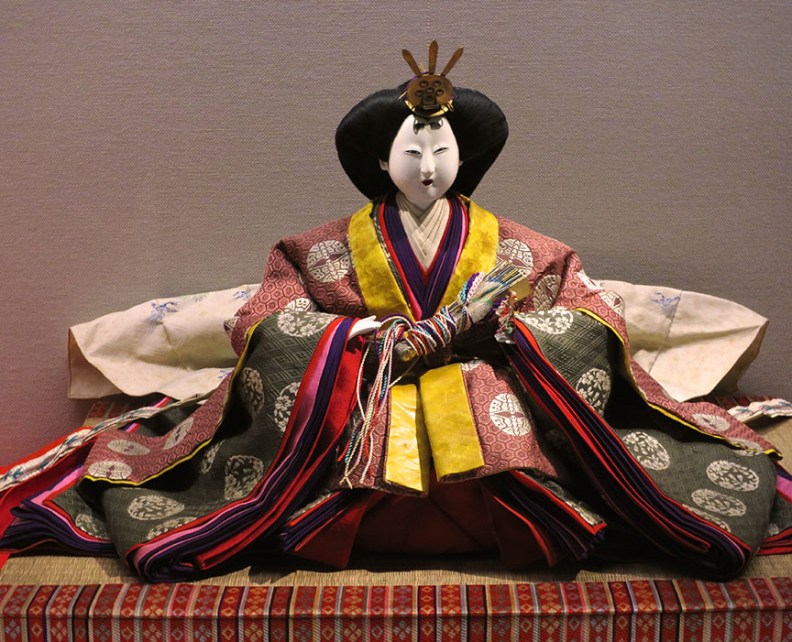
If your favorite part of The Tale of Genji is the descriptions of how the twelve colors were layered to send seasonal messages of love and longing as eloquent as any poem, you’ll go a good kind of crazy looking at real-life examples of every possible combo on these dolls.
For most of the year, the showrooms are filled with Girls’ Day dolls, but after March 3rd, they’re replaced by armor displays for Boys’ Day (May 5th).

There are doll sellers sprinkled throughout the neighborhood, but the grandest emporium is Kyūgetsu, right across from Asakusa-bashi Station.
•
But dolls aren’t the only reason to come to Asakusa-bashi. The reason I’m usually there is to drop some cash at one of Tokyo’s best-kept shopping secrets. Shimojima is an eight-story store that sells everything from killer origami kits to Mr. Toast masks. This is a great place to get gifts for people back home, or to stock up on only-in-Japan must-have items for yourself, at bargain prices!
I mean, who wouldn’t want an origami sushi kit?

Or some excellent Japanese and Western kitchen gadgets, like these letter stamps that I nearly wear out on every holiday cookie and pie season.

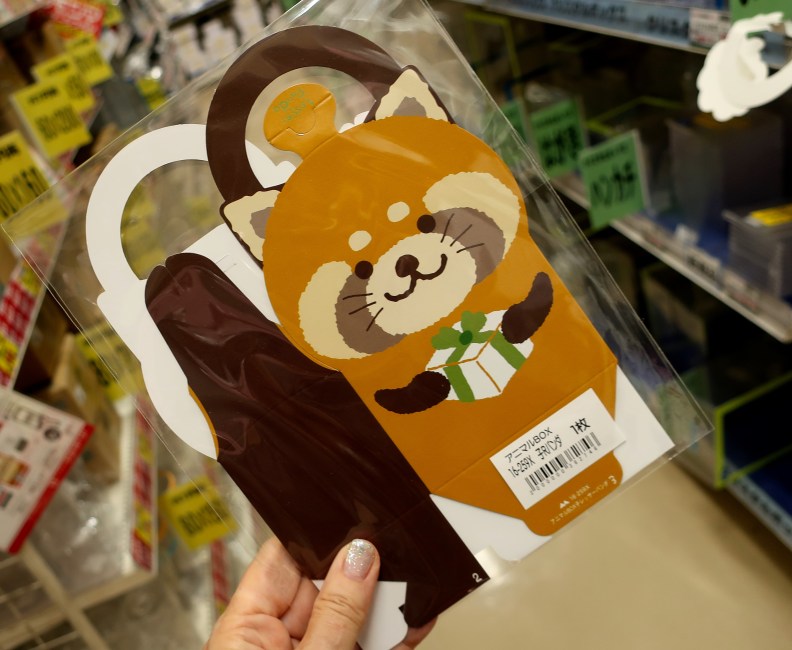
Or these gift boxes that you don’t even have to put anything inside of to make people feel like they scored the best present ever.
Here’s a detailed guide to what’s on every floor, or go on your own magical treasure hunt and discover its delights for yourself!
And the third reason to come to Asakusabashi is because this neighborhood is home to a whole bunch of stores that are beading and jewelry-making heaven. (If you don’t want to check a second bag on your way home, save yourself now!)
The beading and jewelry-making stores have every kind of bead, finding and chain you can imagine, in every size and color. (Stop into the Miyuki Bead Factory, Parts Club or Kiwa Seiyakusho for more temptation than you can handle.)

Some sell kits with only-in-Japan designs…

And if you can’t resist working on what you bought RIGHT NOW, some stores have workrooms you can use for free, complete with all the tools you’ll need.

But it’s not just bead stores – shops catering to paper crafts are common too, with all kinds of swoon-worthy equipment, like these punches

Most stores open from 10:00 am – 6:00 pm
•
If you enjoyed this, subscribe!
Get all the latest Japan travel tips and tricks for free ヽ(*^ω^*)ノ
And here are the other places I take my friends when they come to town

•
Jonelle Patrick writes novels set in Japan, produces the monthly e-magazine Japanagram, and blogs at Only In Japan and The Tokyo Guide I Wish I’d Had
 Jonelle Patrick writes about Japan