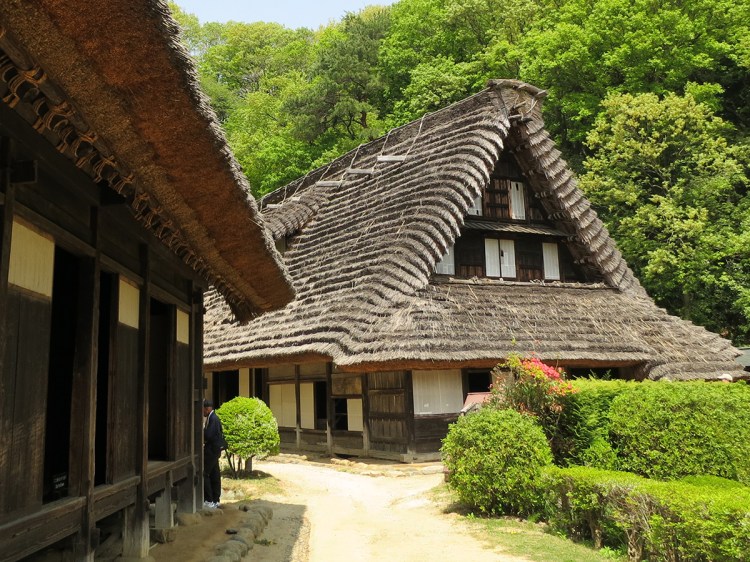
The Nihon Minka-en (Japan Open Air Folk Museum) is an excellent only-in-Japan excursion, and one of Tokyo’s best-kept secrets. Why make the big schlep and fight the crowds at Shirakawago when you can stroll through 23 different thatch-roofed houses less than an hour outside central Tokyo?
The Nihon Minka-en is a beautiful park set up like a village, with 23 traditional thatch-roofed houses that have been lovingly moved here from all over Japan.

They’re all built without nails, using carpentry and thatching methods that have been used for hundreds of years.
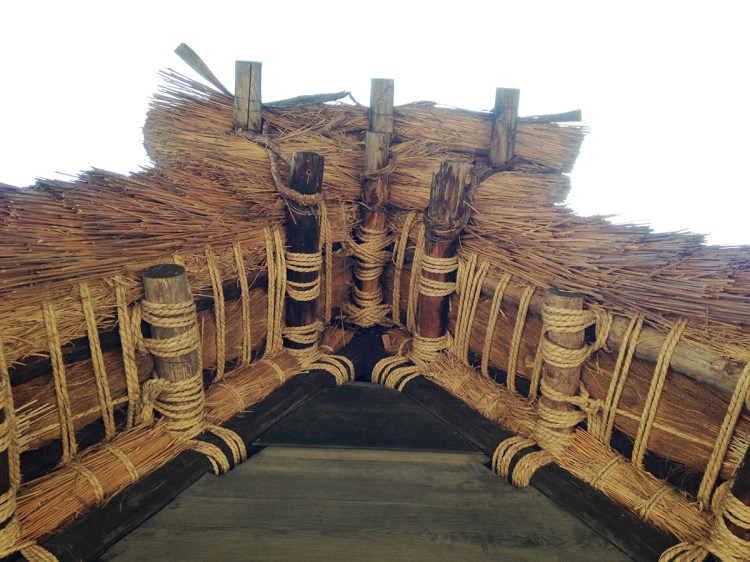
Houses from different regions have special features, depending on the climate of the place where they were built. For example, the upper story windows of this one became doors when winter snow piled up as high as the second floor.
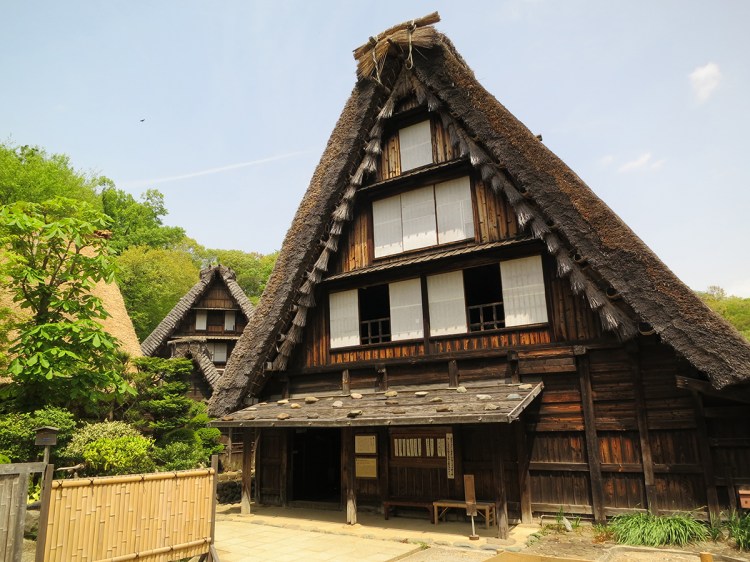
The best part is, you can go inside! The interiors are as lovingly restored as the structures.
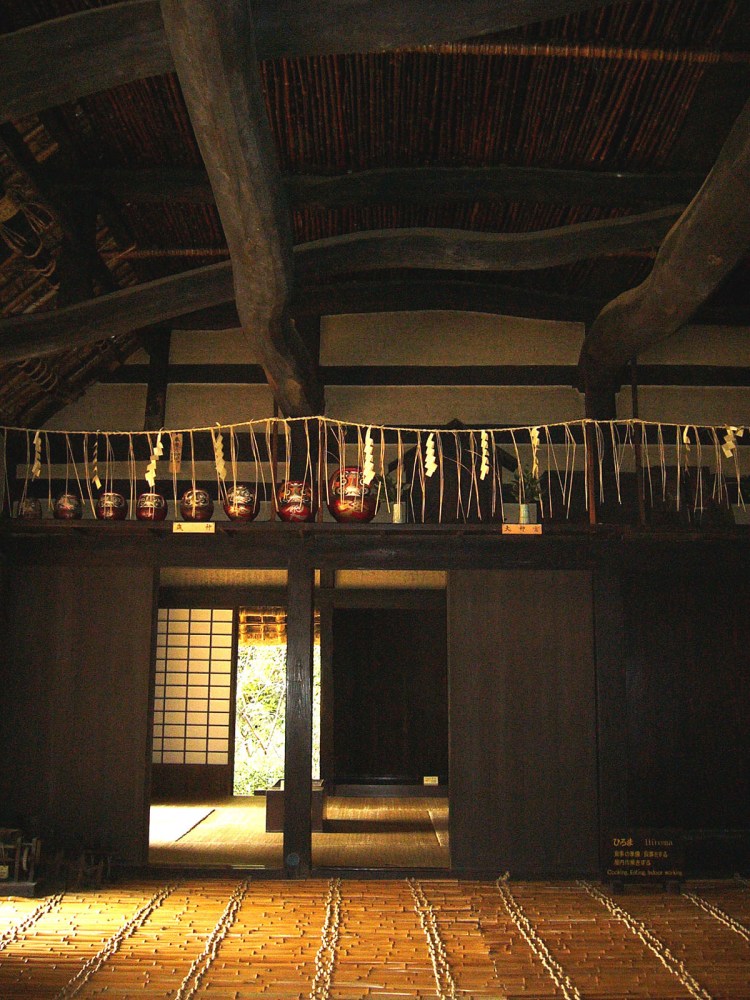
Check out how the beams are hewn to “weave” together support for the roof…
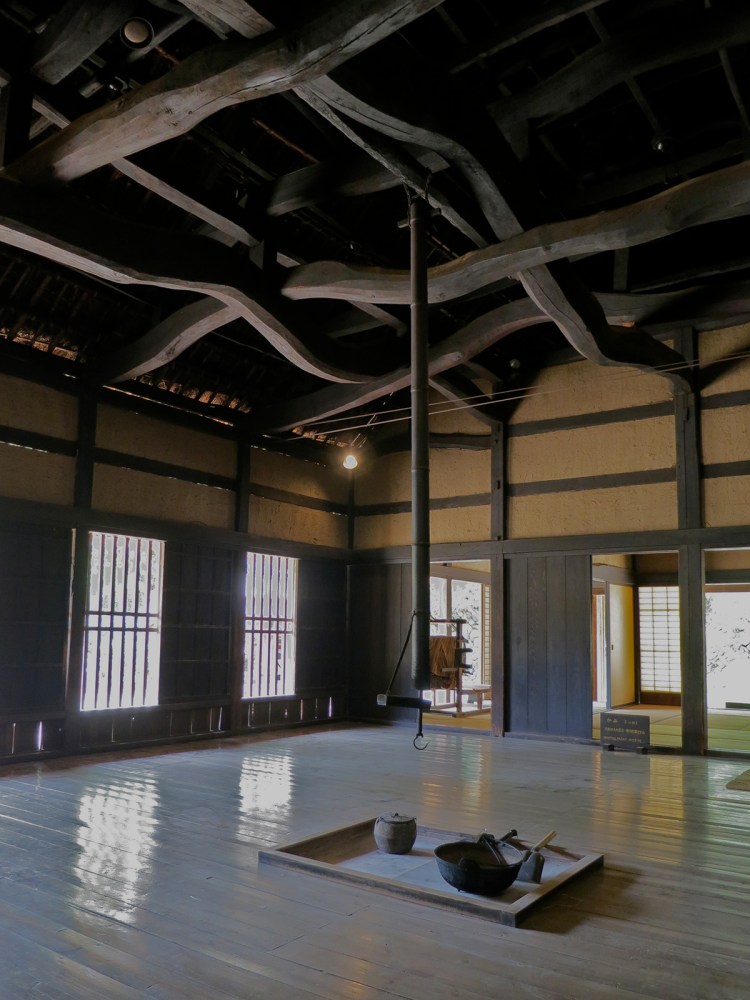
the kitchen areas are fitted out with all the mod-cons a feudal-era housewife could wish for…

and the house where wealthy merchant lived and worked has an elaborate Buddhist altar, covered in gold.

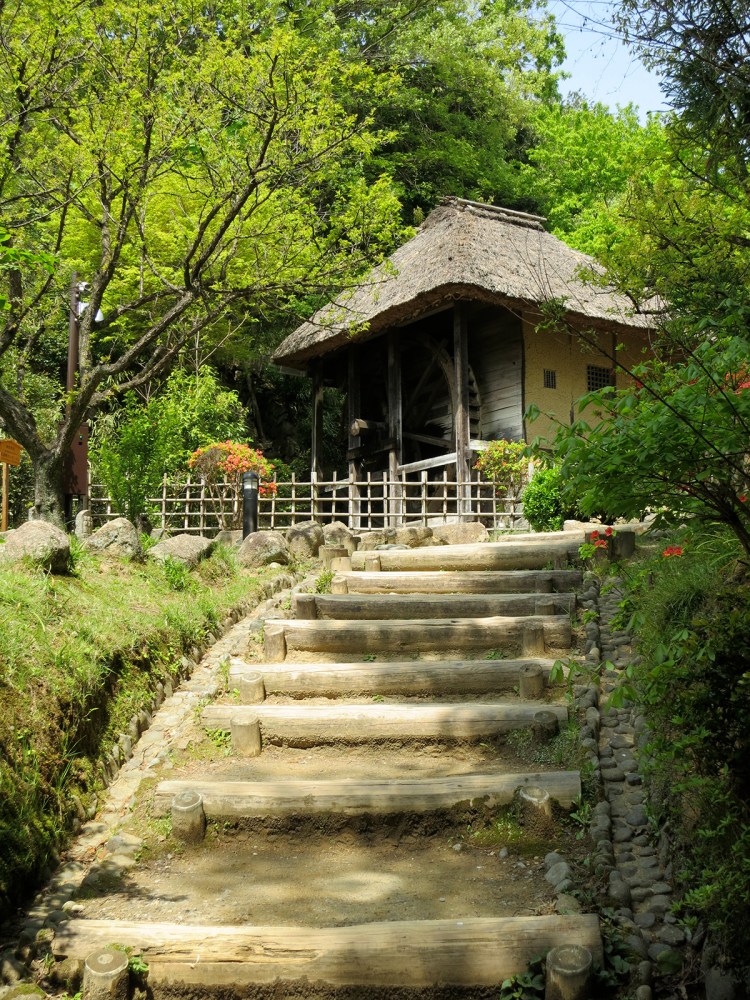
Best of all, the Nihon Minka-en isn’t just houses! There’s a flour mill where you can see the old wooden gears inside…
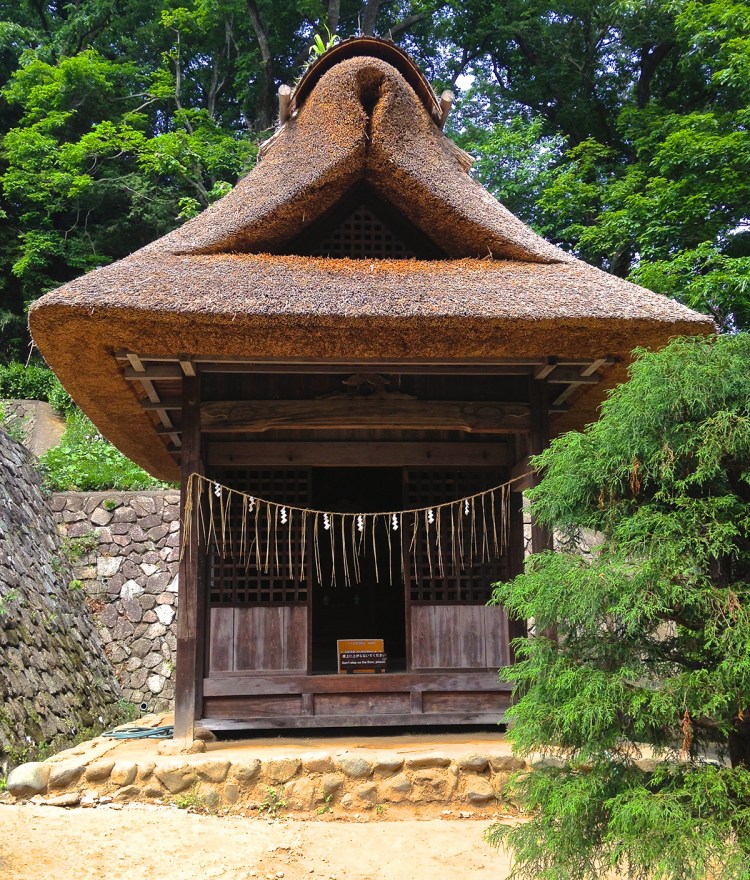
a shrine with a gorgeous roof…
a lord’s house with a nice garden…

and an open-air kabuki theater, where you can go under the stage and see how they rotated the scenes with a big stagehand-driven turntable! And no historically correct architecture museum would be complete without info on that burning question, “When they had to go, where did they go?” This toilet of yore is not as swanky as The Tokyo Toilets, but (as the sign informs us) there’s a more refined loo on the other side of the Sasaki House.

That gives you some idea of the interesting factoids delivered by the signs pointing out the features of every house (in English). Others tell of puzzling architecture features, like roofs weighted with stones or tiles to protect them from blowing off in the regular typhoons that roar through the parts of Japan where those houses were originally built.

Weekends are an especially good time to visit, because volunteers rotate through the houses, tending fires in the hearths. The rising smoke fumigates the thatch and keeps bug infestation down.
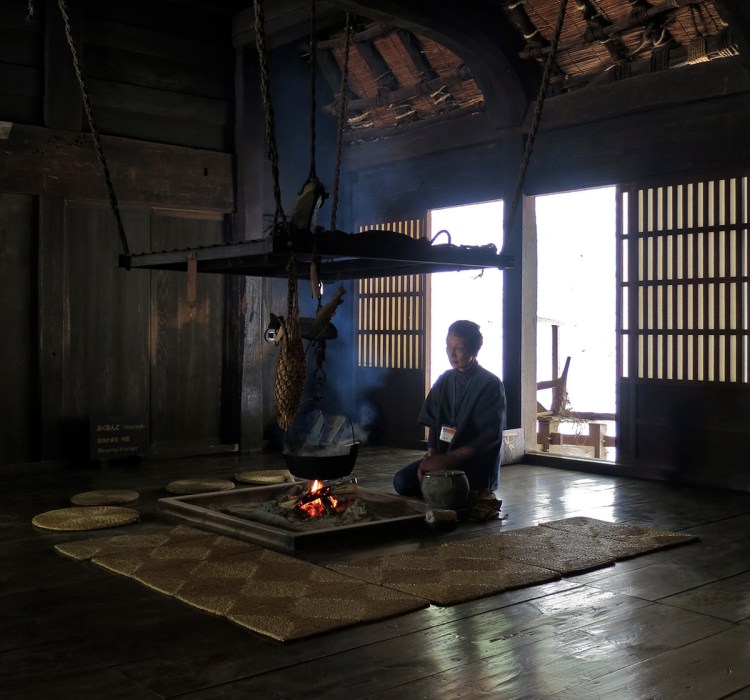
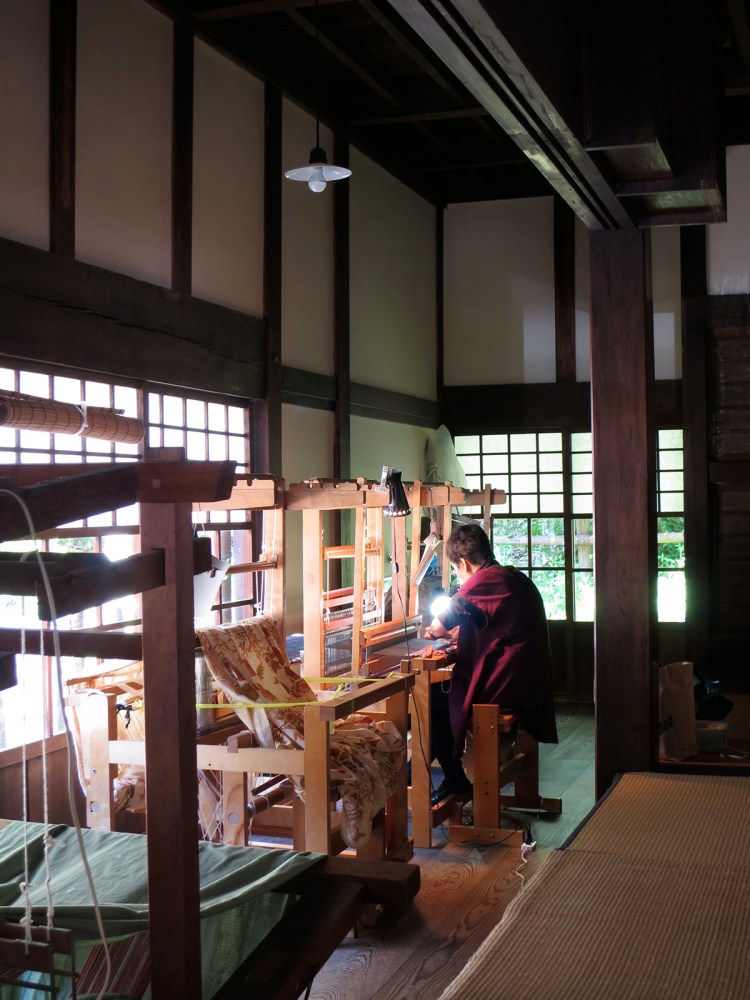
They also invite artisans to come and demonstrate traditional skills like sandal-making, bamboo whittling and weaving
If you have children, ask for the special stamp page when you buy your tickets—at each house, there is a little wooden “shrine” where kids can stamp a picture of that house on their sheet.
Lunch is conveniently available halfway through the park in House #10. They serve a selection of buckwheat soba noodles, tea and beer, with a nice view of the park.

The museum at the entrance has the best explanation I’ve ever seen of how traditional architecture is constructed, with beautiful examples of the thatching process, models of the different kinds of joinery used on beams, and all the tools craftsmen use to make these structures.

In addition to being a memorable field trip for schoolchildren, historical parks like the Nihon Minka-en have another serious job: to employ the artisans who know how to use traditional tools and methods of building, and keep those skills alive. Your visit helps them do it!
Note: This is an all-day trip to really do it right, and quite a bit of walking. It’s about a 15-20 minute walk to the park entrance on flat ground (or you can take a taxi from the station), then a good 2 hours of hilly walking inside the park if you stop and read about each house. There are rest stops with benches and picnic tables every few houses, and halfway through (at House #10) there is a vending machine for drinks and a restaurant that sells lunch (noodles, etc.)
Nihon Minka-en (Japan Open Air Folk Museum)
Open: Six days a week, closed Mondays
Hours: 9:30 – 16:00
Admission: Adults:¥500, Children: ¥300
•
If you enjoyed this, subscribe!
Get all the latest Japan travel tips and tricks for free ヽ(*^ω^*)ノ
And here are the other places I take my friends when they come to town

•
Jonelle Patrick writes novels set in Japan, produces the monthly e-magazine Japanagram, and blogs at Only In Japan and The Tokyo Guide I Wish I’d Had
 Jonelle Patrick writes about Japan