Kamakura is so close, it’s practically in Tokyo, and there’s no better day trip than seeing some of the most entertaining and unique shrines and temples in the country, all in one place. It’s especially excellent in late March – early April for the cherry blossom promenade down the center of town, in June for the hydrangeas at Hasedera, and in Late May – early June for the secret iris garden at Meigetsu-in.
Let’s start at the Zeni-Arai Benten Shrine and double our money. It’s known as the “Money-Washing Shrine” because any money you wash in the shrine’s spring is said to double within the year.
We have to walk through a tunnel cut right through the rock to get to Zeniarai Benten.
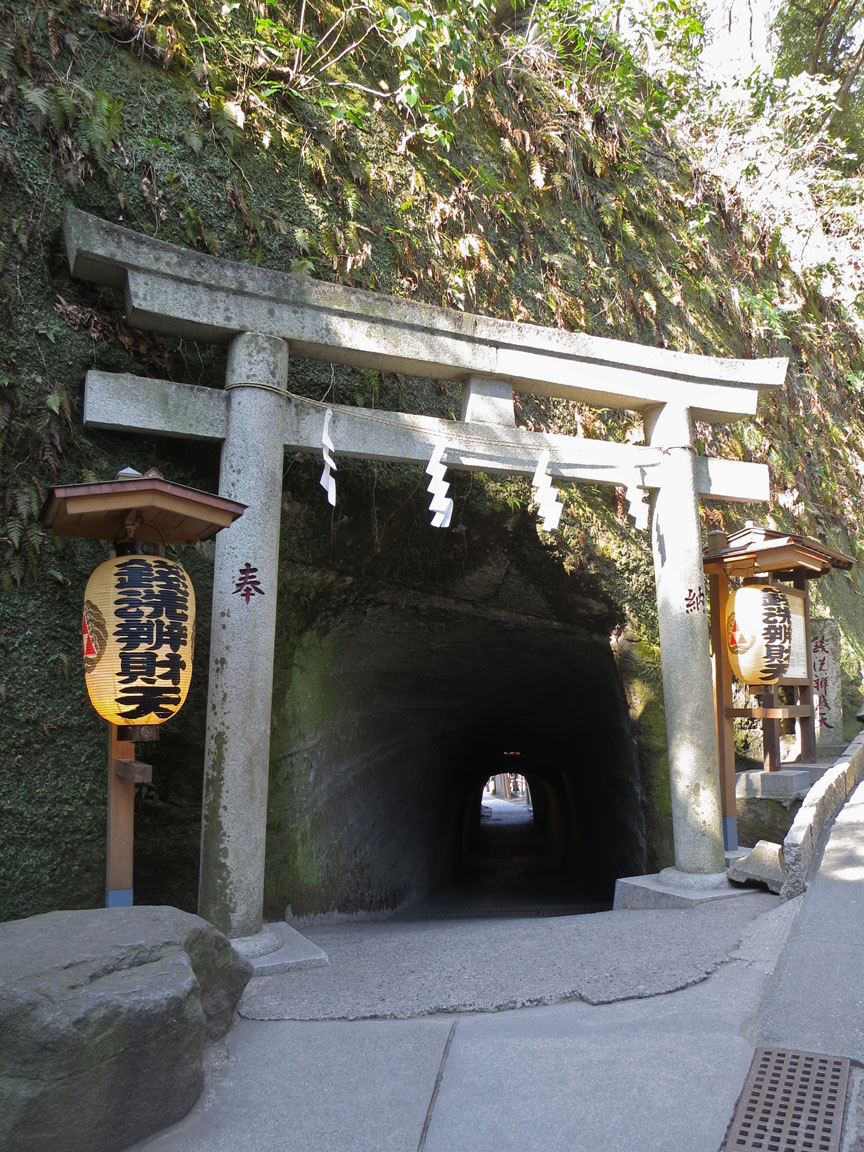
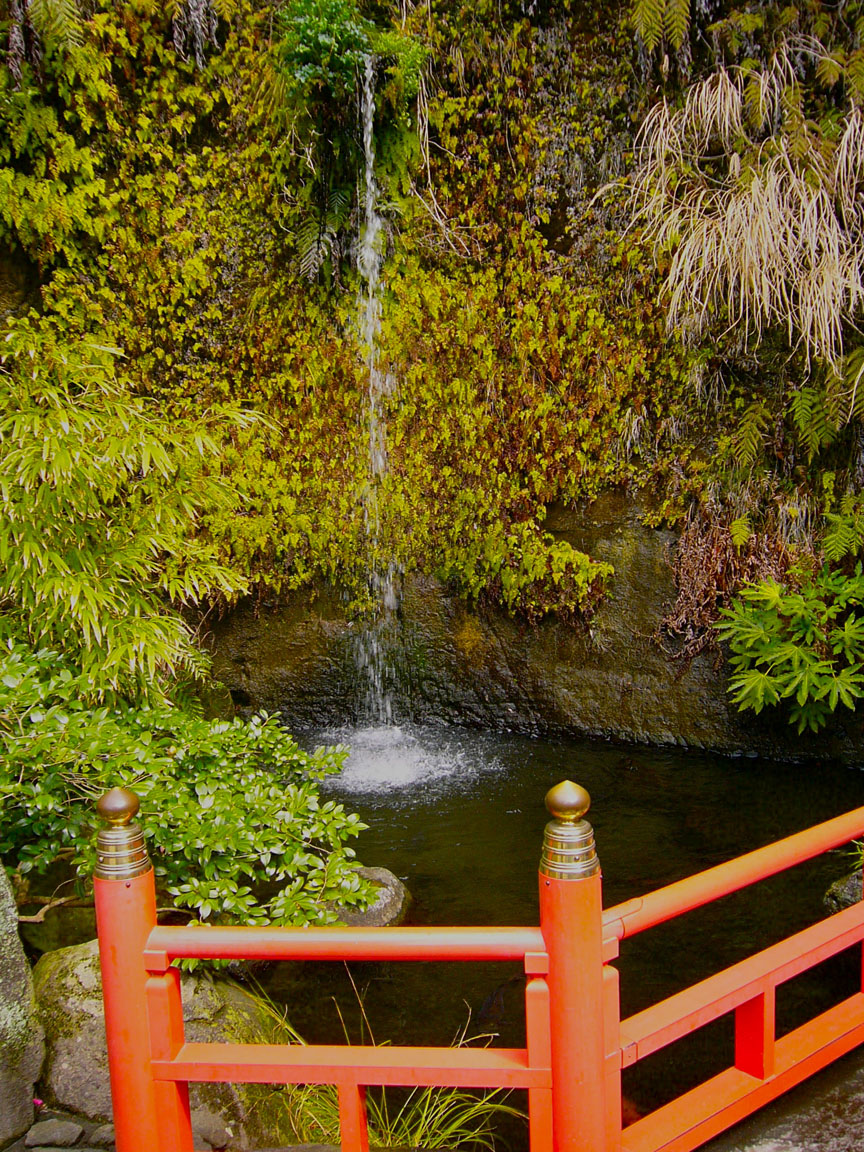
This shrine is one of the most powerfully Shinto places I’ve ever seen—the natural waterfalls and pools in the shrine grotto look like prime real estate for the Shinto gods who love to inhabit streams and waterfalls and rocks.
Look at the baskets in front of the little altars scattered around the shrine – they’re for the hardboiled eggs worshippers bring to the goddess Benten, who sometimes manifests as a snake. Eggs are one of her favorite foods.
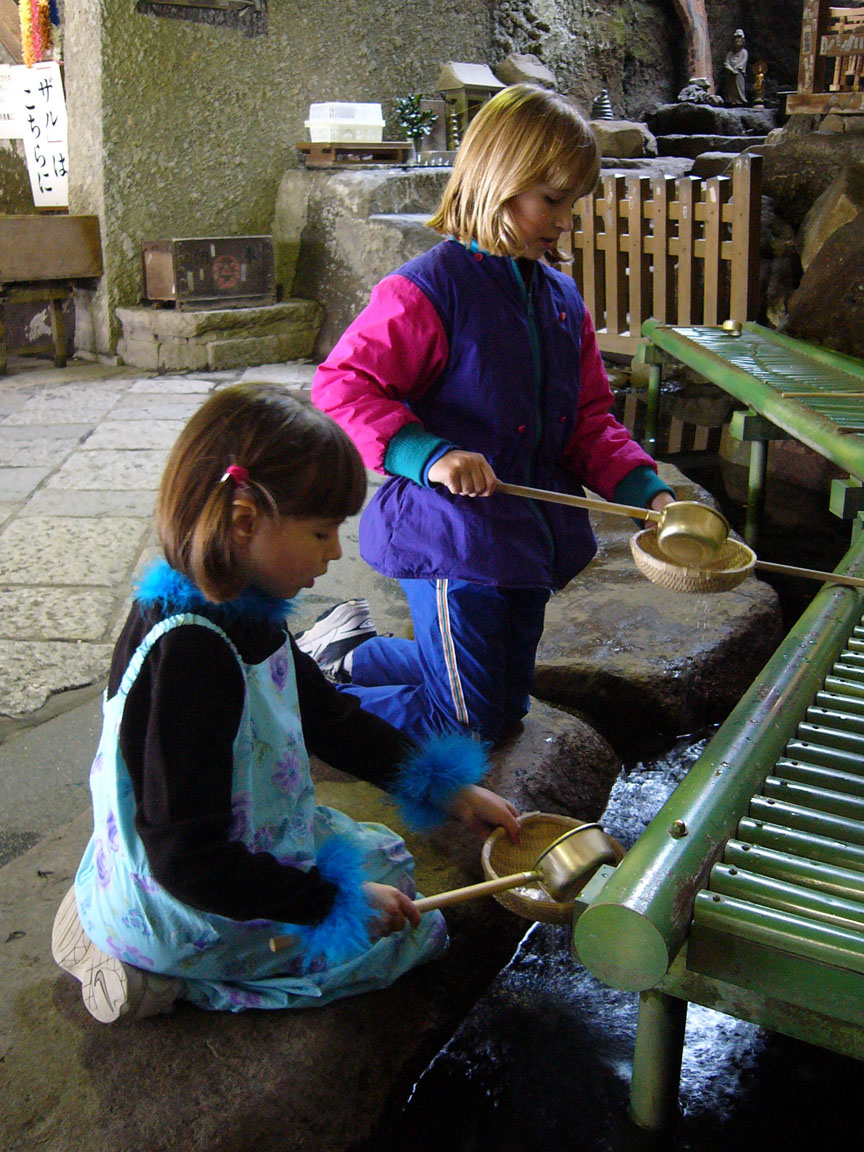
Let’s go to the far side of the grotto to the cave with the money-washing stream running through it. We’ll stop at the shrine stand counter to make a ¥100 donation, and the monks will give us baskets for our money. After we put our money in the baskets, we’ll go into the cave and use one of the dippers to pour water from the stream over it.
A short walk from the money-washing shrine is Sasuke Inari Shrine, the best fox shrine in all Japan.
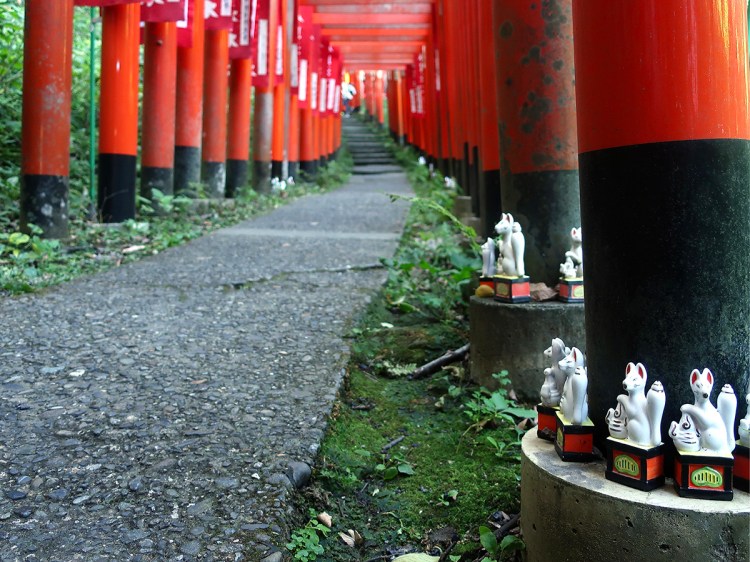
Sasuke Inari is just a short walk from Zeniarai Benten, but the shrine itself is just the tip of the foxy iceberg. It’s set on an entire hillside devoted to mossy fox villages.
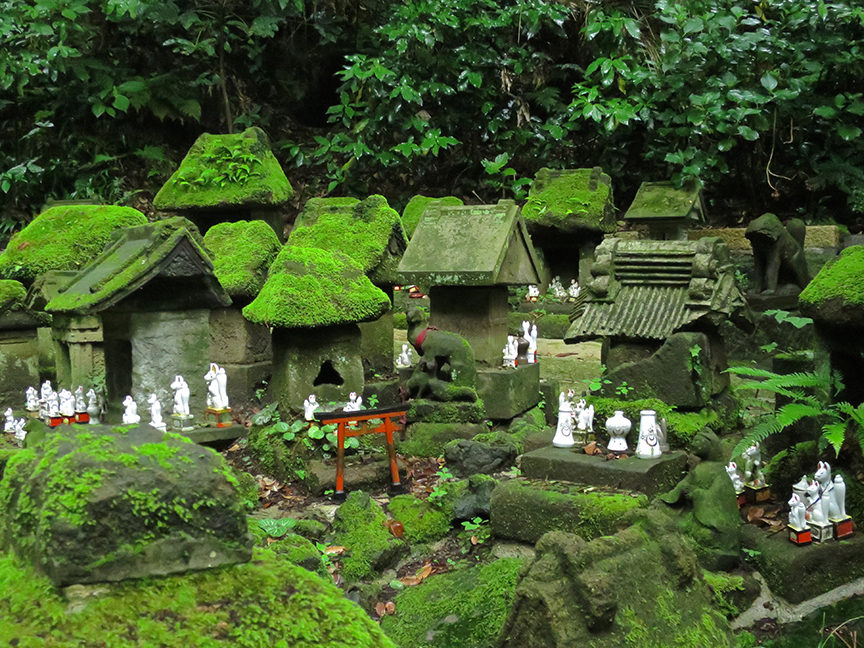
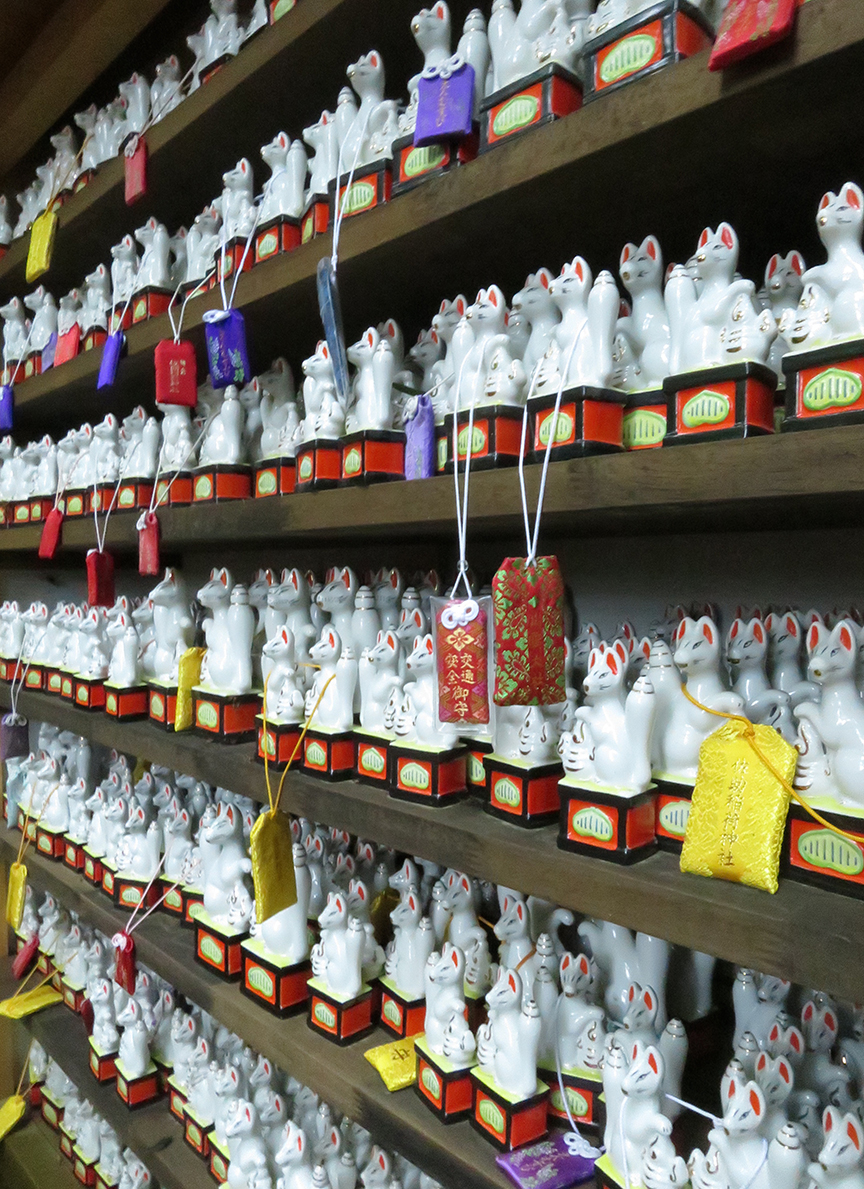
The thousands of foxes in the villages and on the altars of the many sub-shrines were bought by pilgrims and left there as offerings, along with prayers for their hearts’ desires. For as little as ¥1500 for the smallest pair, you can add to the population or take them home (which is unusual, since taking sacred items away is not always allowed at shrines.)
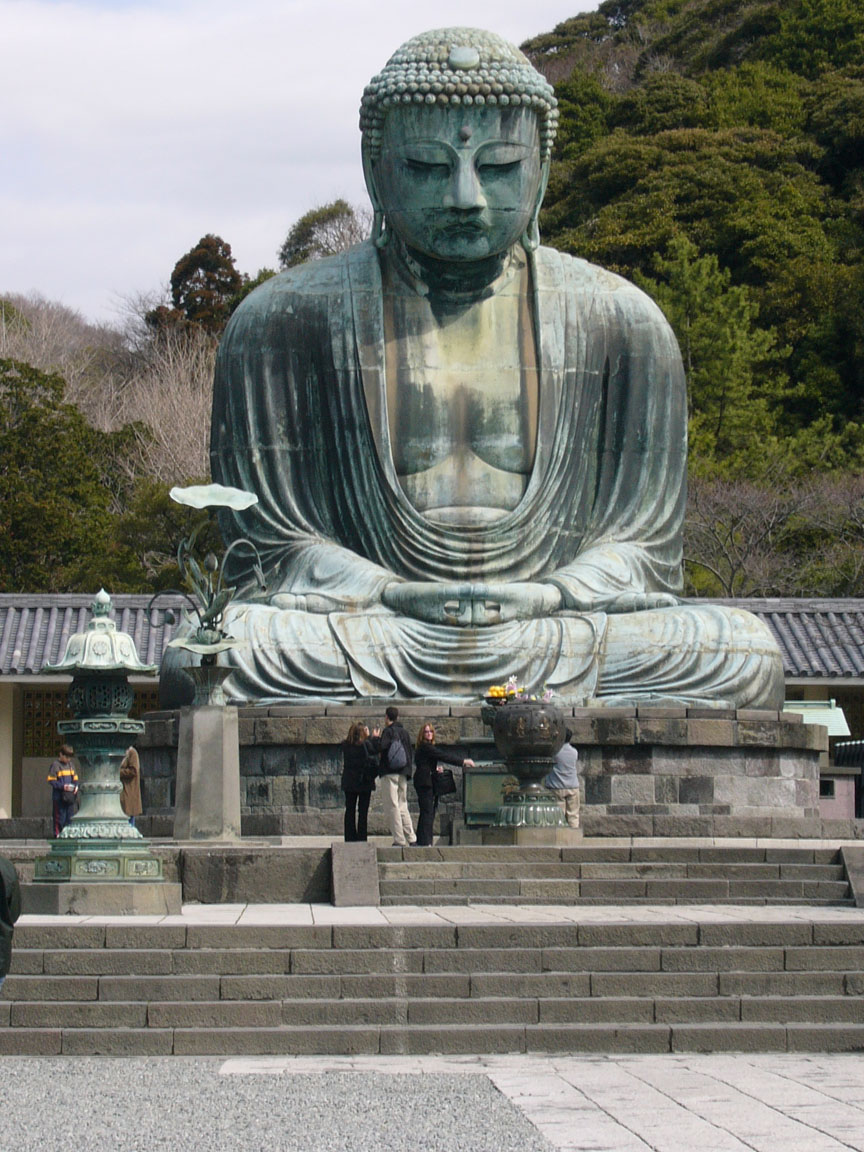
When you’re ready to leave the mossy twilight zone of the fox shrine, let’s head over to the Giant Buddha. The Daibutsu is the biggest bronze Buddha in Japan, and an unmissable photo op. Want to go inside? It only costs ¥10.
After snapping all our pix at the Giant Buddha, let’s go see the Giant Kannon at Hasedera. This is the biggest gold-covered wooden Kannon statue in Japan, and it’s at a temple that has a gorgeous hydrangea garden (they bloom in June). On the path, we’ll pass hundreds of little Jizo statues.
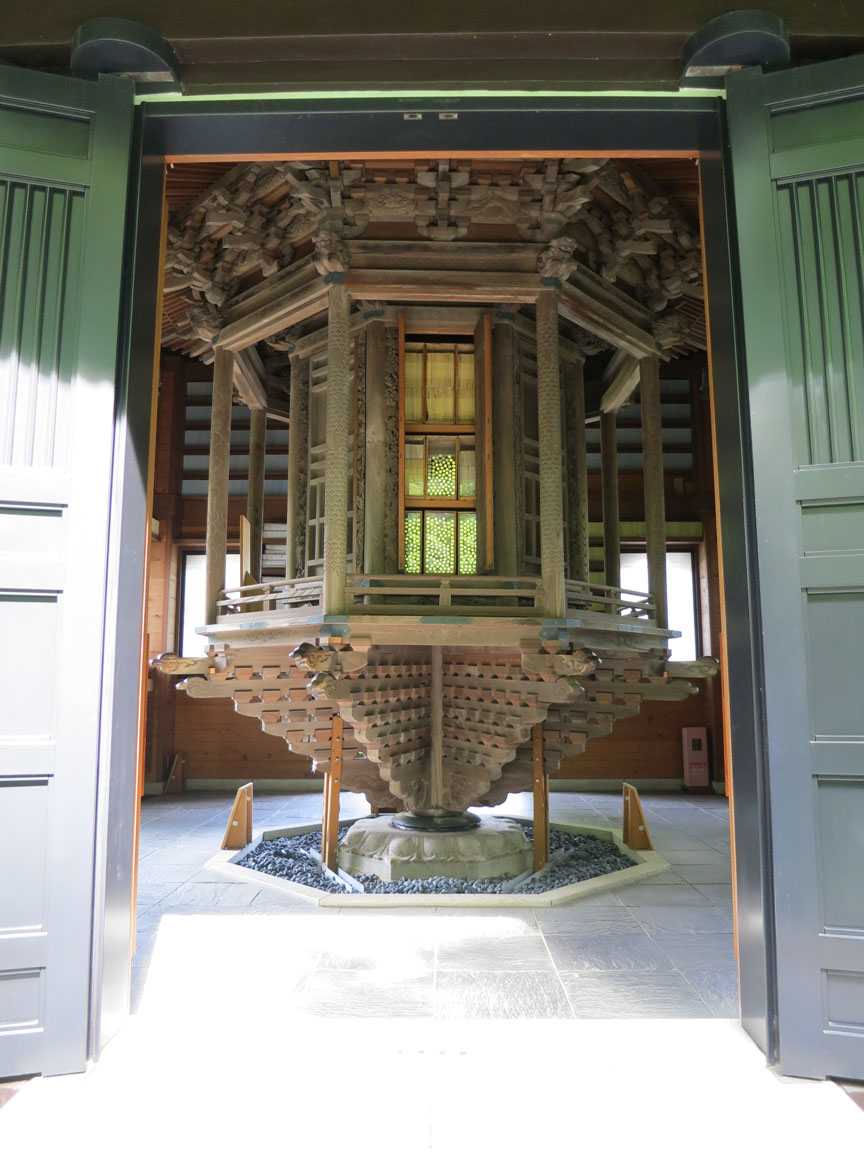
It’s forbidden to take pictures of the giant gold Kannon figure, but visitors are allowed to spin the room-sized prayer wheel on special occasions. Kind of cool-looking, isn’t it? I was there once on the day you can spin it, and it moves with surprising ease.
Hasedera is famous for hydrangeas, so if you’re there in June, take a stroll along the paths that wend their way up the hill beyond. You won’t be disappointed!
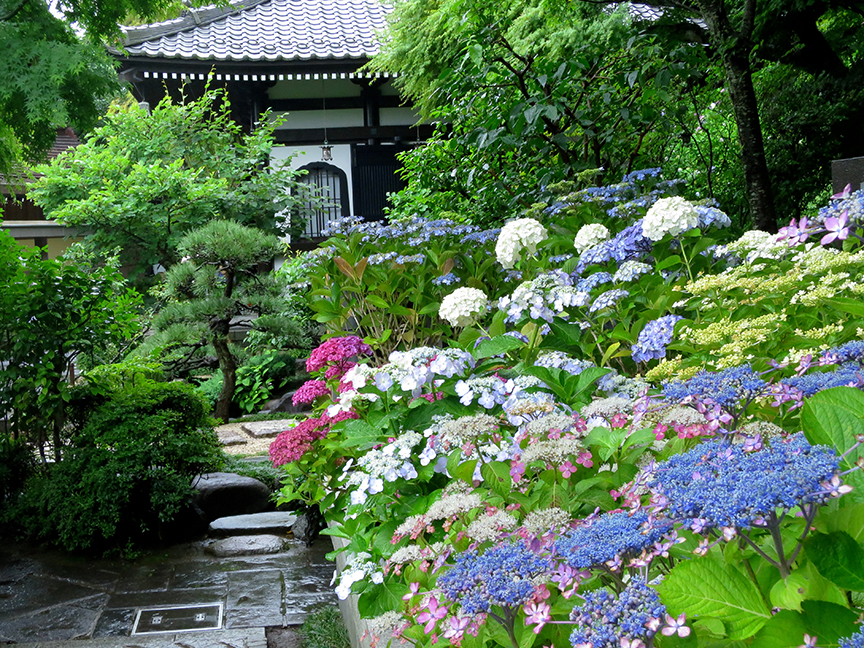
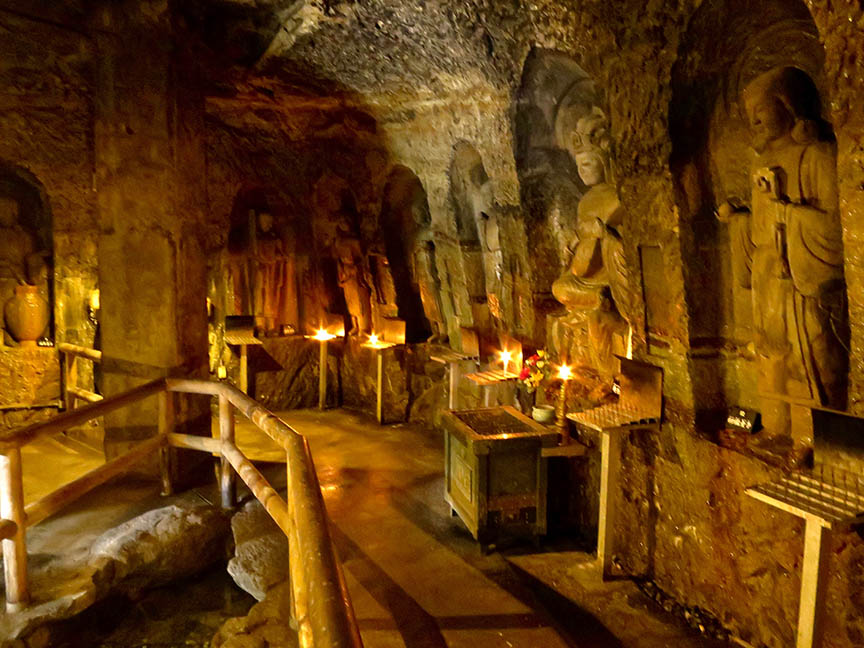
But hydrangeas aren’t the only game in town – if we walk around to the right of the entrance gate, there’s an amazing underground grotto to explore.
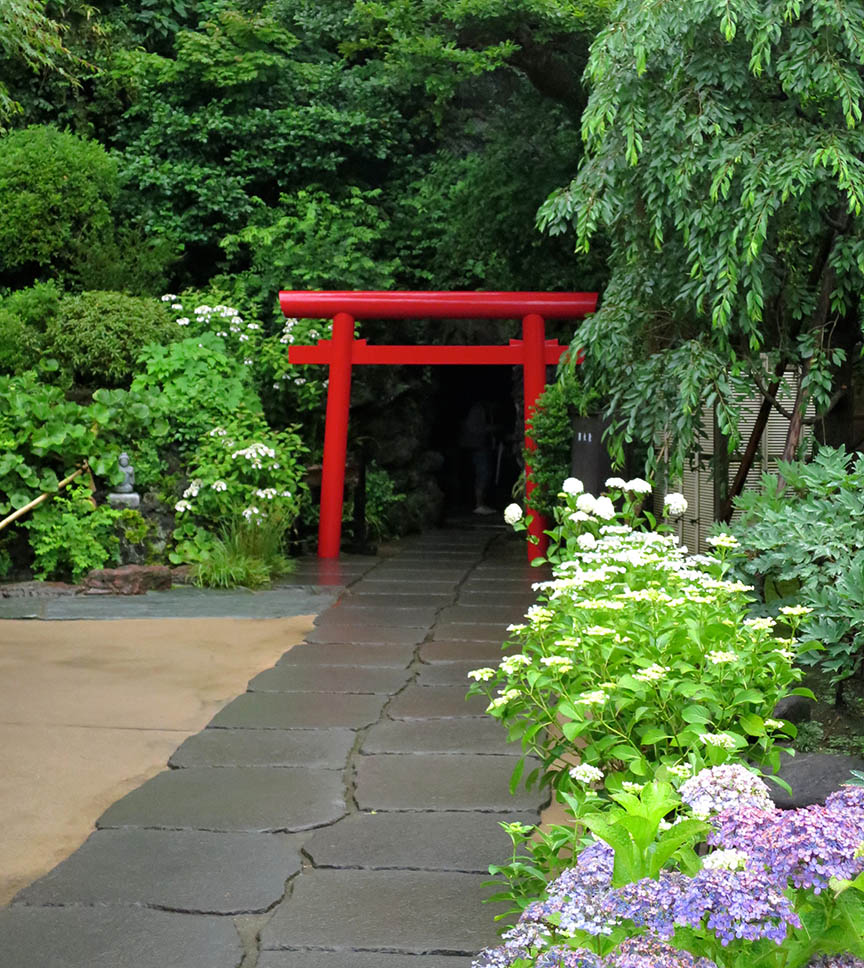
Inside are a number of sacred figures, each in its own niche throughout the caverns
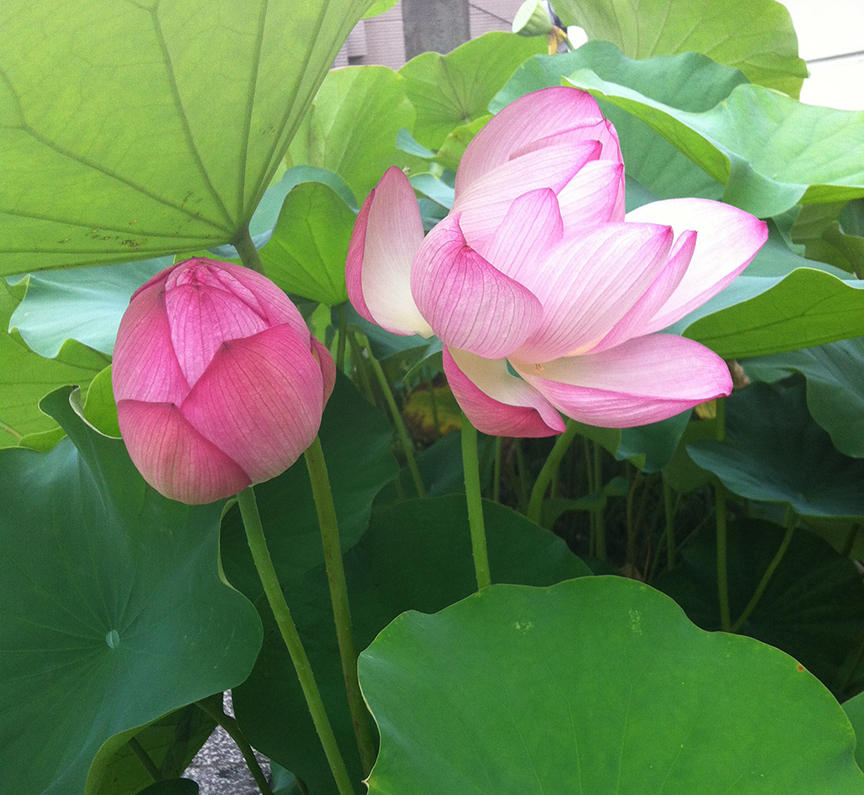
Back near Kamakura Station, the big main street through town leads to the Tsurugaoka Hachimangu Shrine. Built for the shōgun in the days when Kamakura was the capital, it’s an elaborate red and gold-style shrine with famous lotus ponds that bloom in July. A shrine worthy of the shoguns, this is also a great place to see traditional weddings being performed, because they happen in an open pavilion near the shrine entrance.
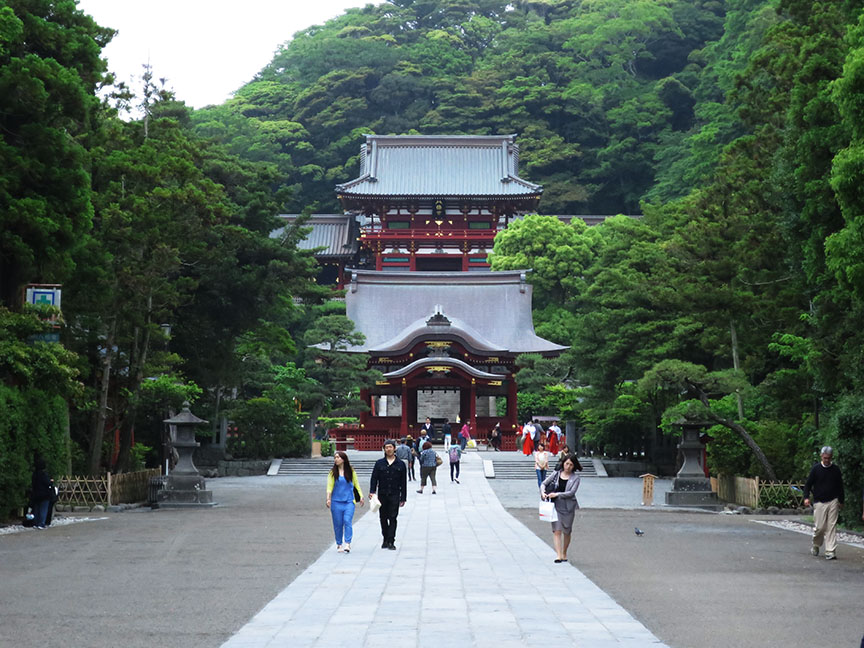
On one side of the ceremonial bridge at the entrance the lotus bloom red, on the other side, white. The red and white stand for the two warring families that were finally united under the shogun: the Genji and the Heike (also known as the Minamoto and the Taira.)
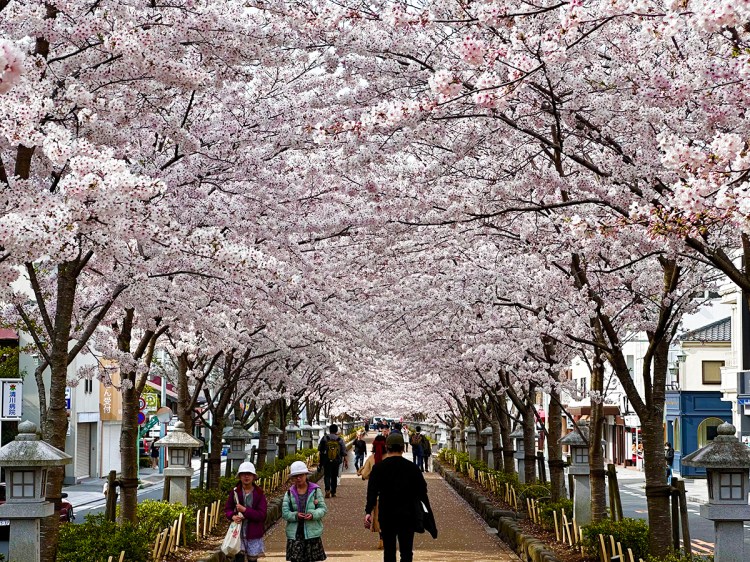
And don’t miss the Dankazura promenade leading to Tsurugaoka Hachiman’s grand torii gate in late March to early April, because it becomes a tunnel o’ pink during cherry blossom season.
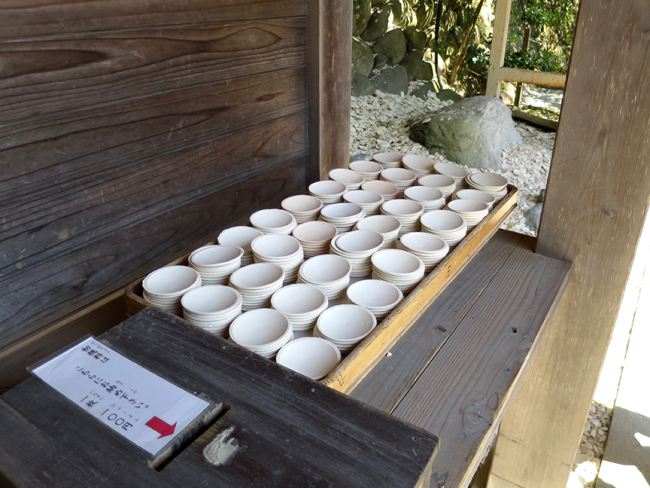
Not far from the Tsurugaoka Hachiman Shrine is an unusual shrine called Kamakura-gu, or (as I like to call it) the Dish-breaking Shrine. Buy a dish and throw it against one of the sacred rocks to banish negative people from your life.
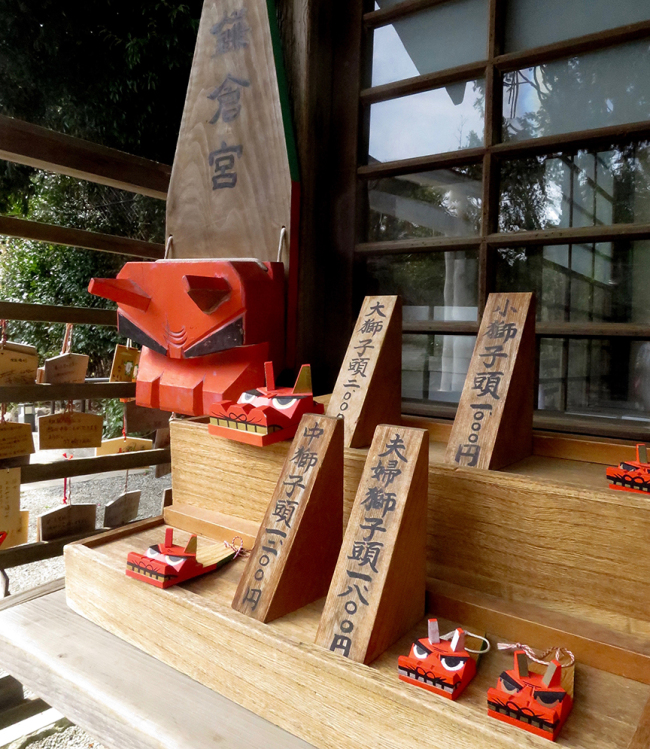
Kamkura-gu is a shrine sacred to dragons, so you can also buy these adorable little wooden clappers to boot out the bad luck and summon in the good.
If you fancy a stroll through a bamboo forest, let’s get ourselves over to the Hokoku-ji Bamboo Temple. The grounds are huge, and the walking paths are really nice. If you happen to be in Japan during the summer months, it’s nice and cool.
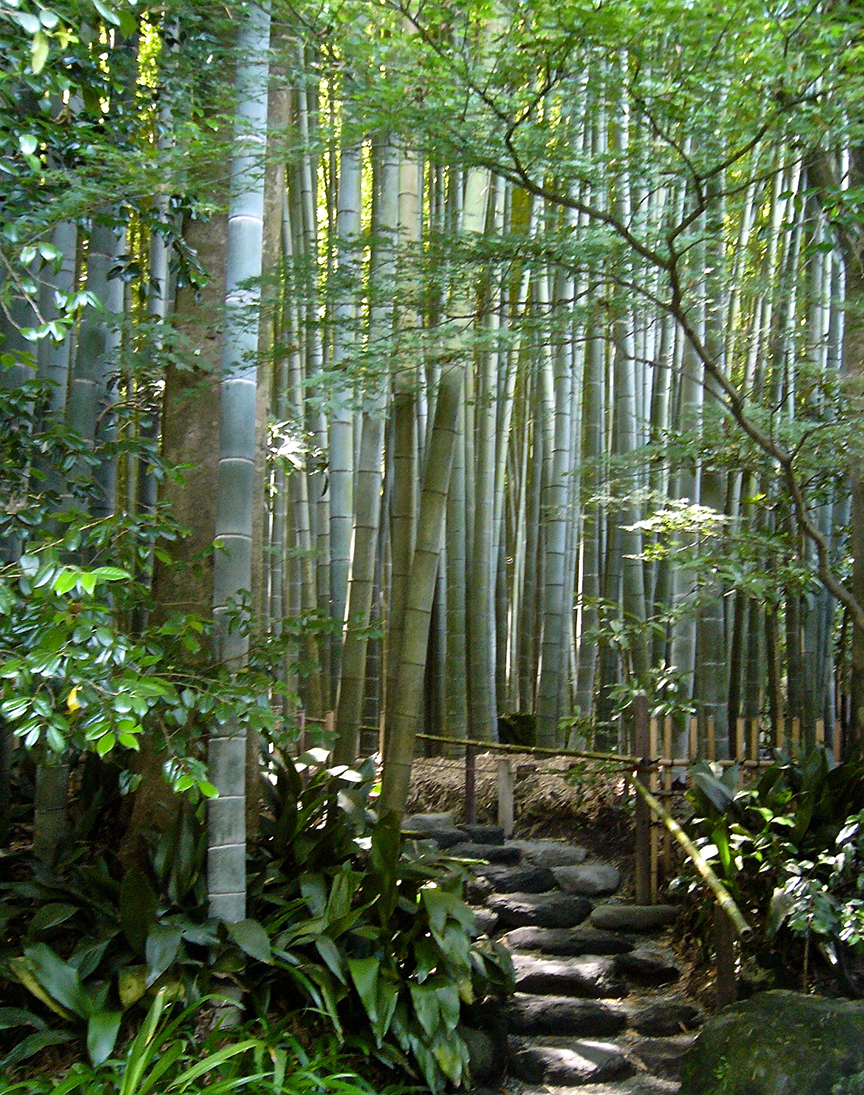
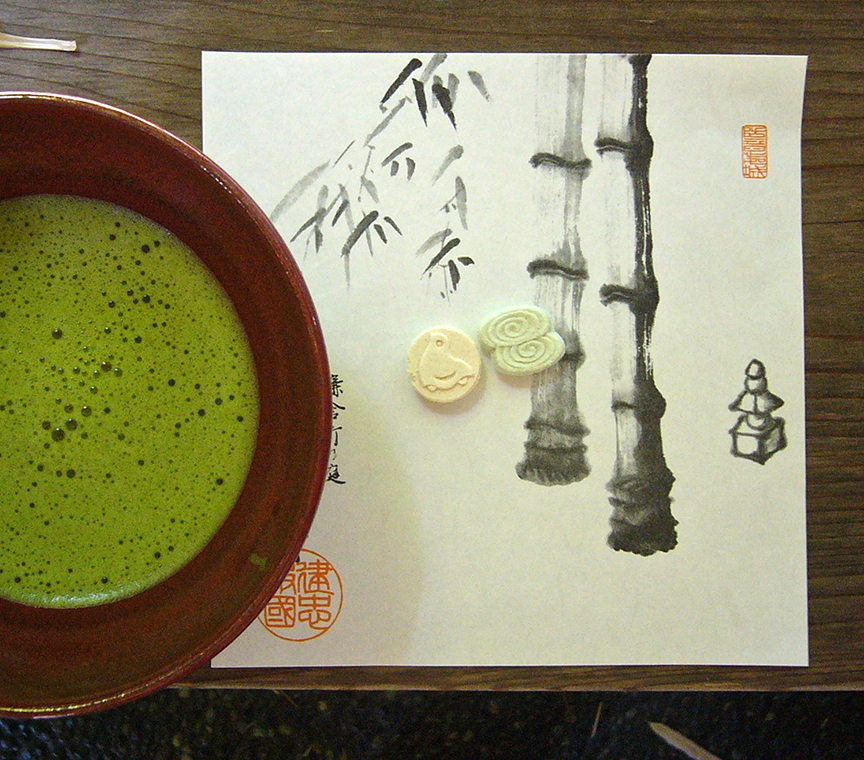
Afterwards, we can stop for a bowl of tea at the Bamboo Temple teahouse.
Now let’s get back on the train and get off at Kita-Kamakura Station, so we can catch come noodles for lunch. On the way is a temple I really enjoy, the Tokei-ji Divorce Temple. In 1251 it became a sanctuary for women fleeing from their husbands – if a woman lived with the nuns inside the walls of the temple for three years, she was considered legally divorced.
On the way is Meigetsu-in, a temple famous for its hydrangeas…
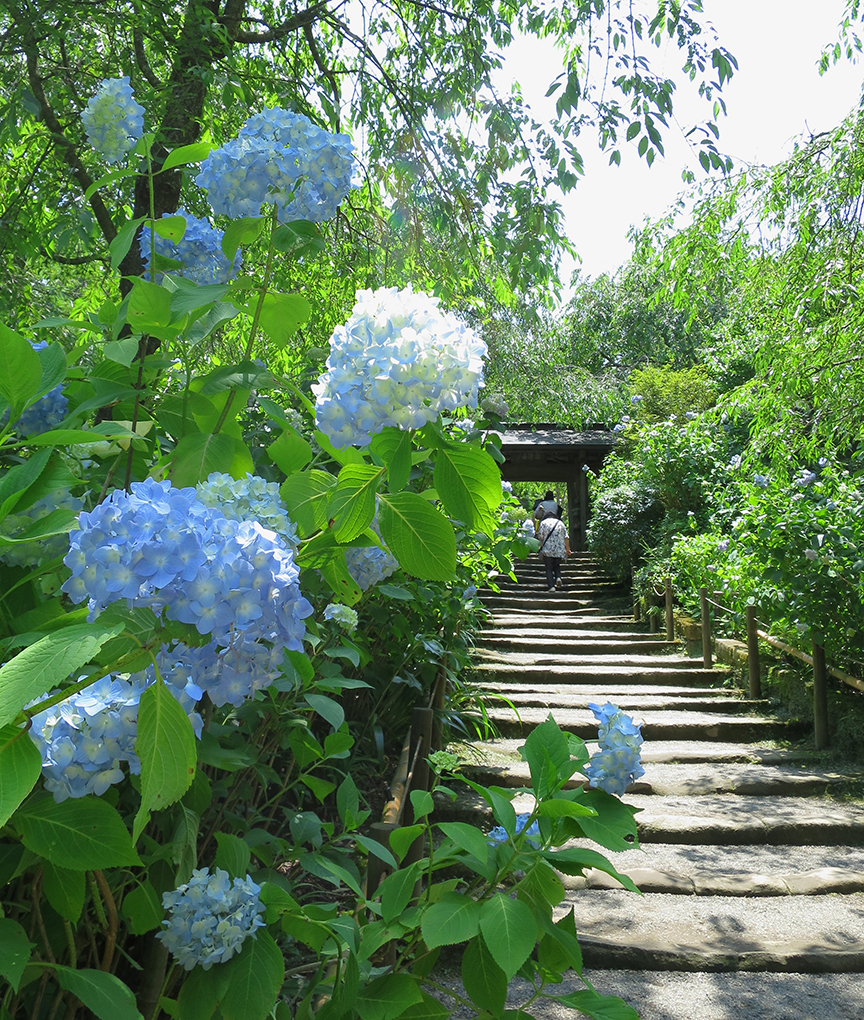
and secret secret iris garden (both bloom in June)
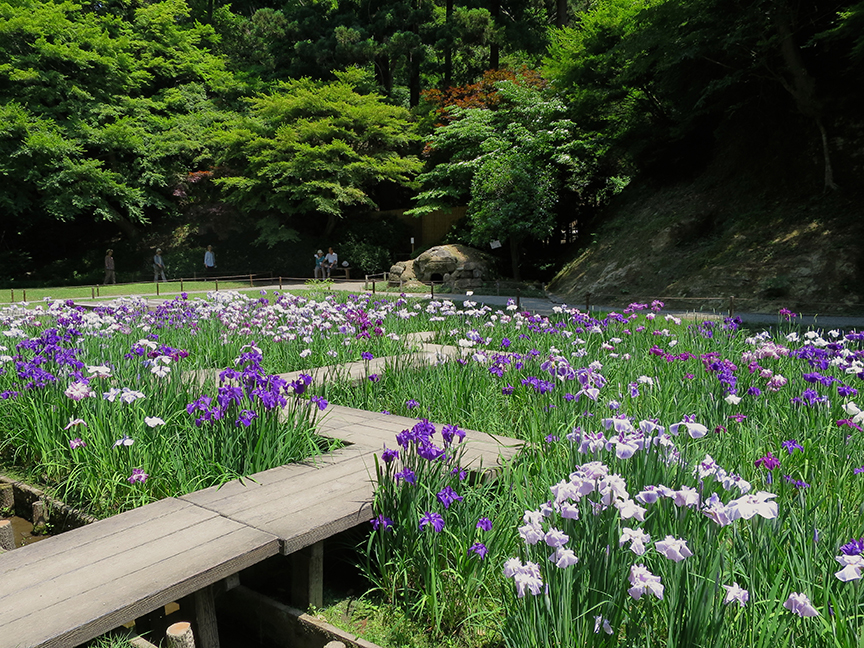
As an added bonus, the secret garden also opens in October-November for leaf season…
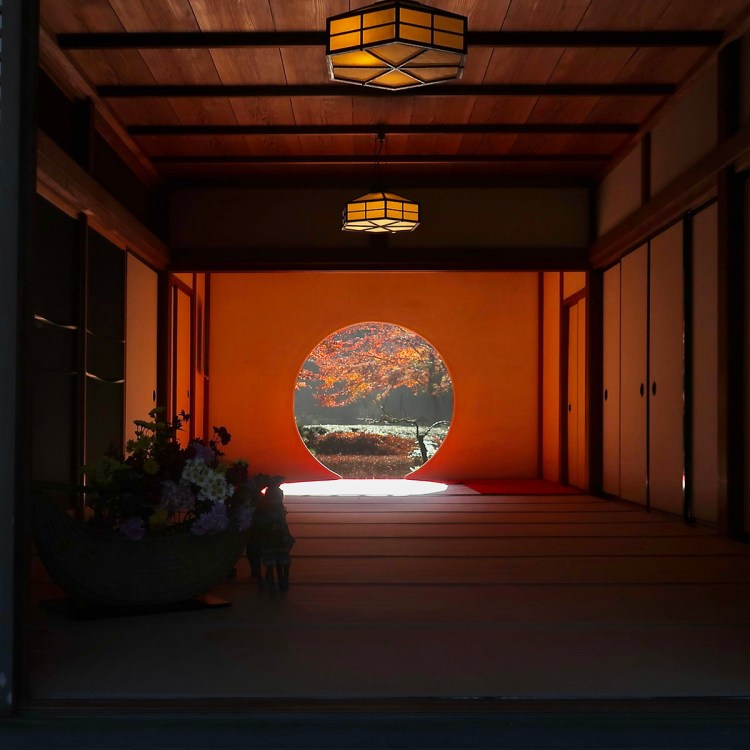
and the landscape is completely changed!
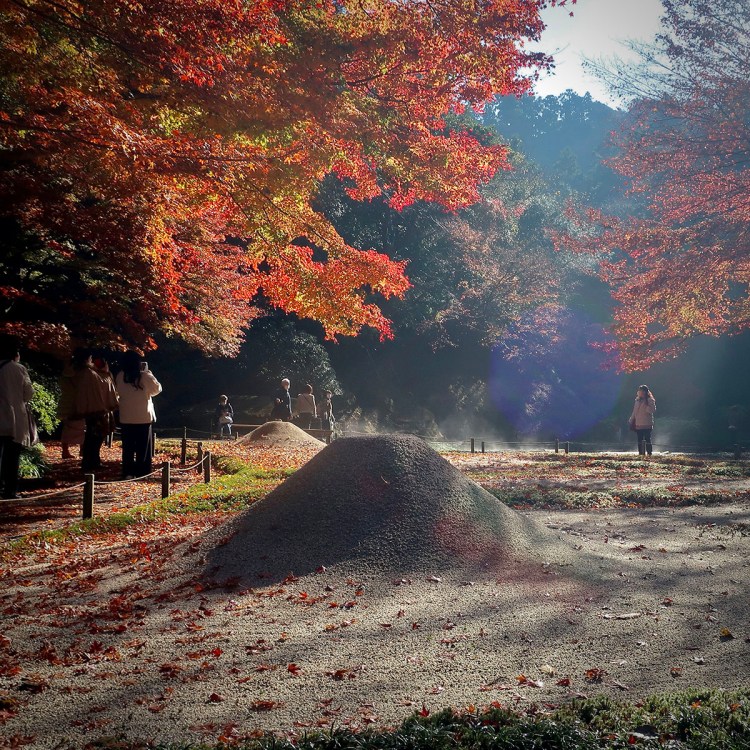
Are you hungry yet? Okay, let’s eat some noodles! From May to October, we can catch our own as they float down the middle of the table at Chaya Kado.
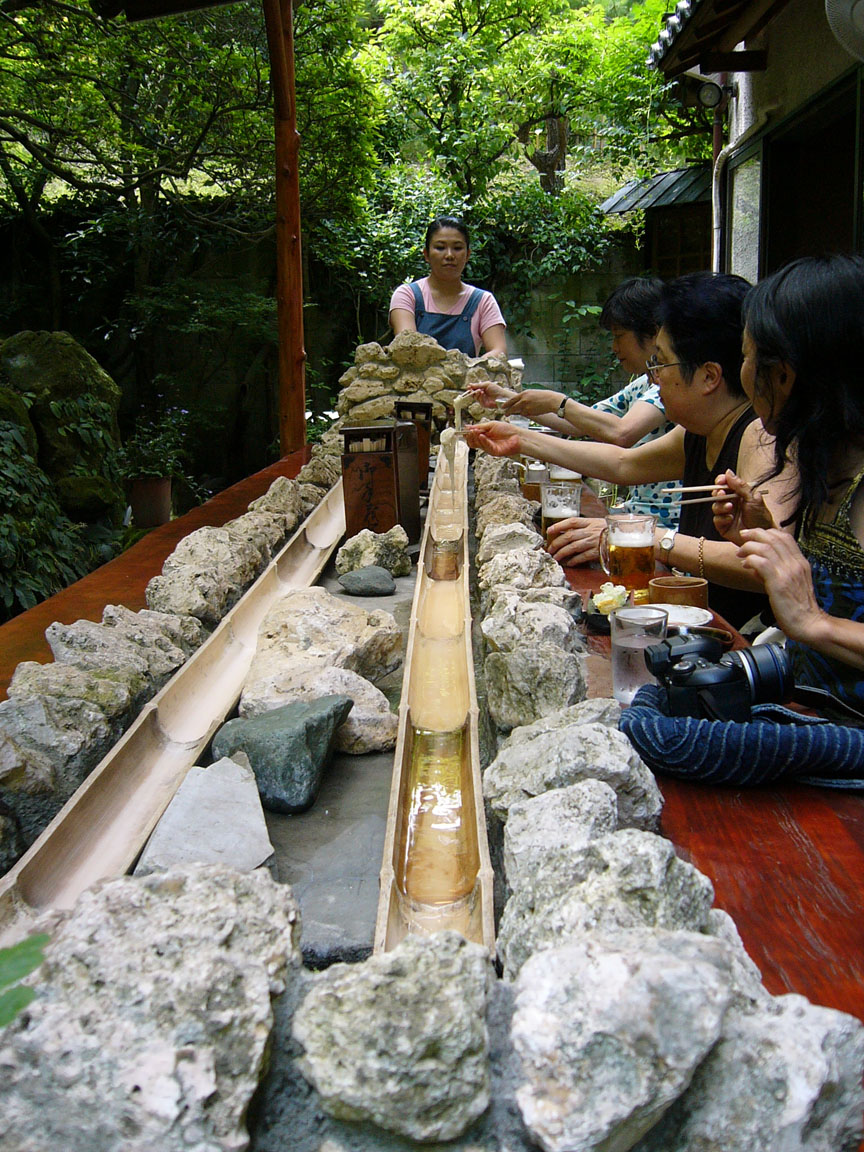
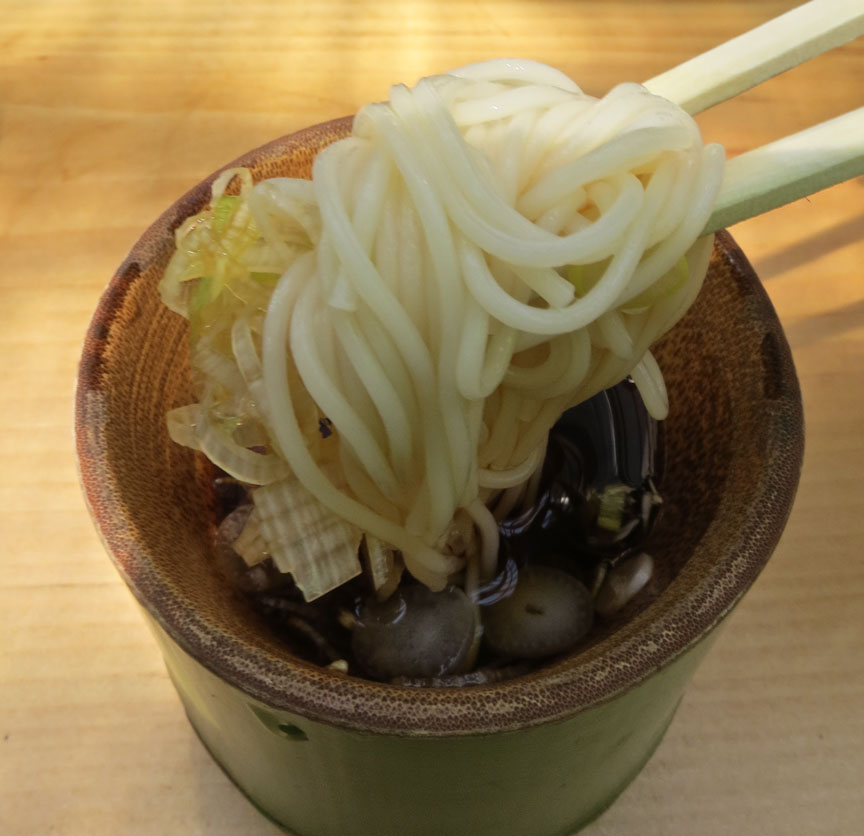
Cold noodles + savory sauce = delish! This is a classic Japanese summertime treat, and the restaurant serves them from May through October.
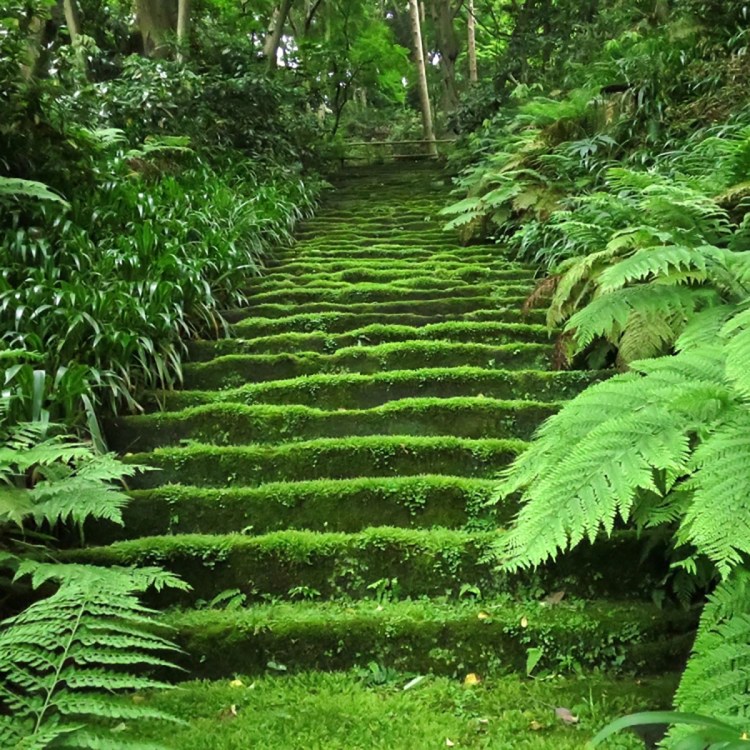
And finally—this is off the beaten track and you might want to grab a cab to go see this—but if you’re a moss-lover and happen to be in Kamakura after a good rain, it’s worth a detour to see the Myohō-ji Temple moss steps. They aren’t this gorgeous unless it has recently rained, but if you’re lucky enough to be there after a storm, this.
•
If you enjoyed this, subscribe!
Get all the latest Japan travel tips and tricks for free ヽ(*^ω^*)ノ
And here are the other places I take my friends when they come to town

•
Jonelle Patrick writes novels set in Japan, produces the monthly e-magazine Japanagram, and blogs at Only In Japan and The Tokyo Guide I Wish I’d Had
 Jonelle Patrick writes about Japan