
I love the Yushima shrine because it’s a fabulous example of Imperial shrines, which are built of unlacquered cedar with gold leaf detailing, and it also hosts some of the most stunning seasonal festivals in all of Tokyo! If you’re in Tokyo in March or November, the plum blossom festival and the chrysanthemum festival are really must-see.
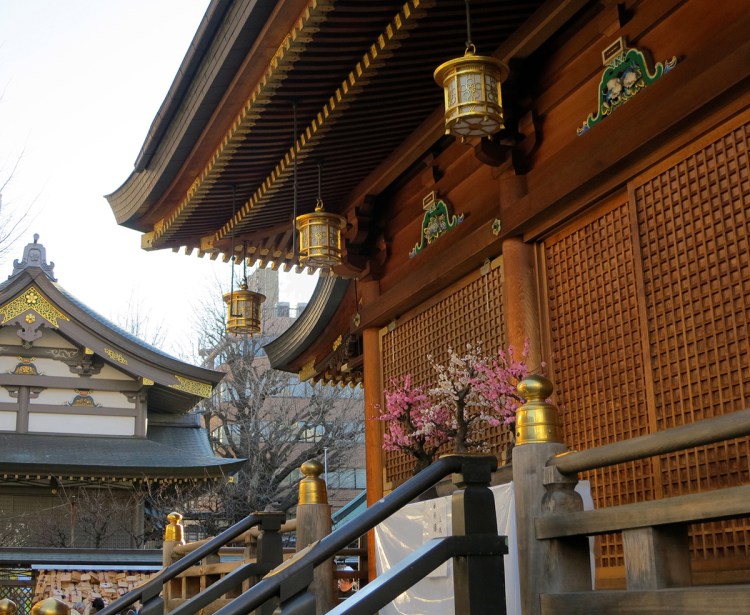
The specialty of the kami-sama at Yushima Tenjin is smiling upon students who beg them for good exam results, so if you know anyone who’s trying to ace their entrance exams, buy an ema here and wish for their success! Just write your wish on one of these prayer plaques emblazoned with a bull, and the resident gods will consider your request.

This shrine is especially popular with those who want to be accepted at prestigious Tokyo University.

It has a nice little garden that’s satisfyingly mossy when it’s been rainy…

And during plum blossom season, this shrine really shines. There are many kinds of plum trees blooming on the grounds—white, pink and the weeping variety—and all are gorgeous.

When the plum trees in full bloom, every tree at the shrine is covered in flowers…

and they’re even lit up at night during peak bloom!

During the Plum Festival they bring out the special bonsai plums, trained to bloom at exactly the same time.

And don’t forget to go around back, where a row of weeping plums will take your breath away…

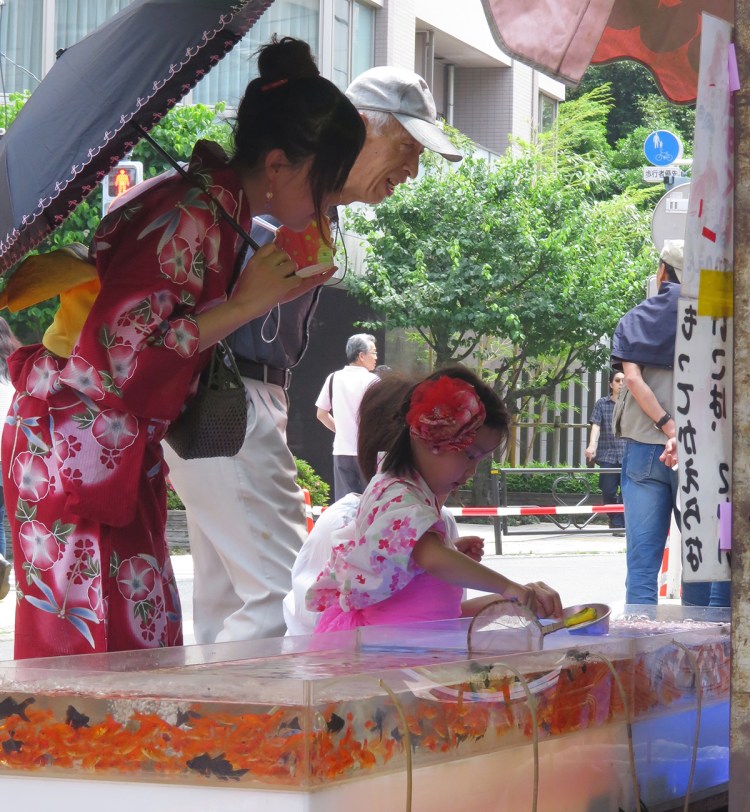
The Spring Festival takes place in May, and features traditional performing arts groups like these taiko drummers…

and all the usual Japanese carnival games…
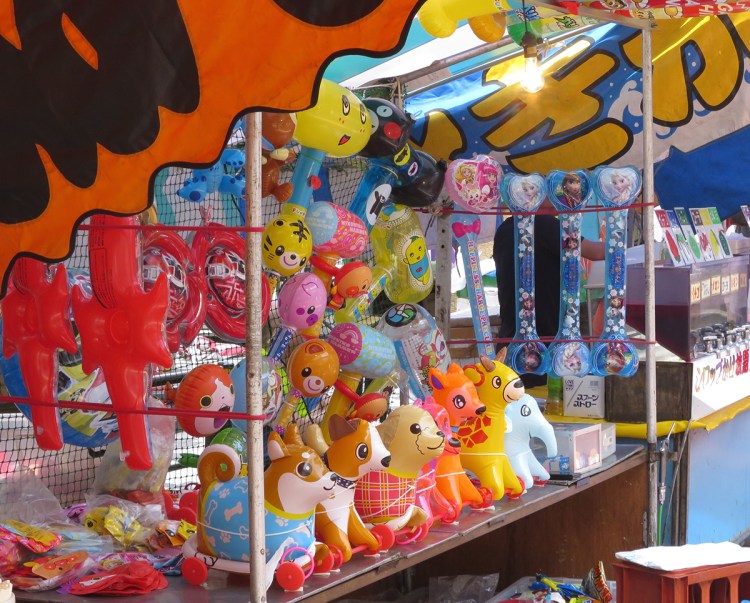
and toy booths
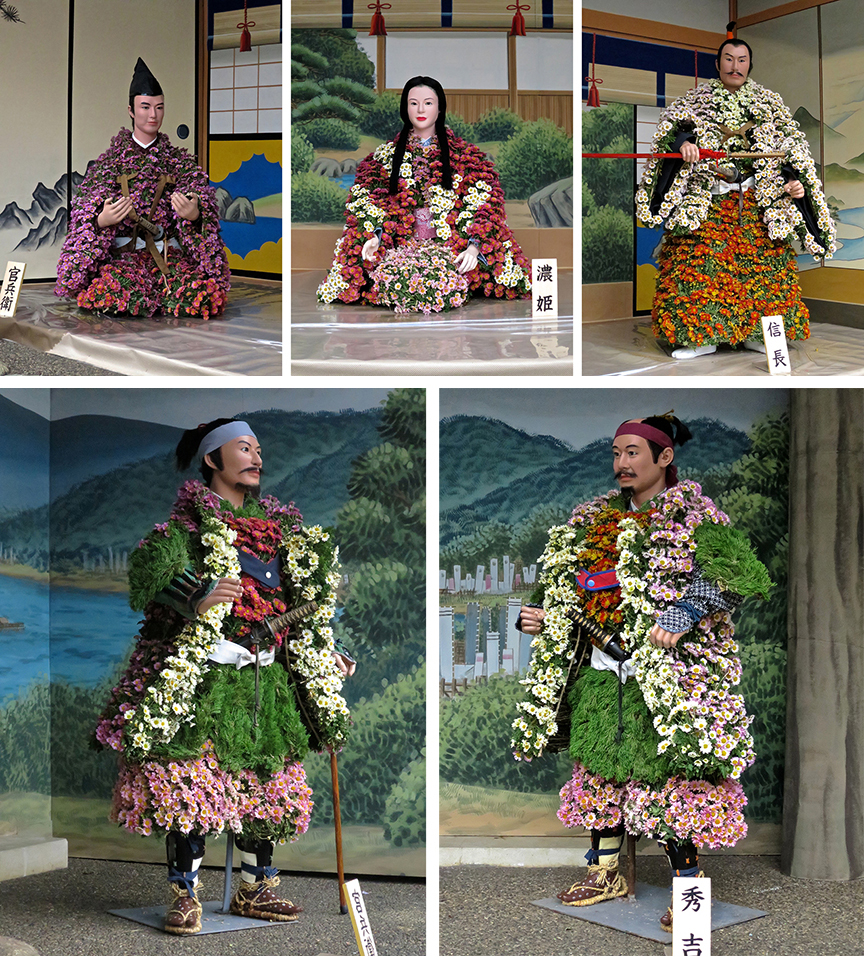
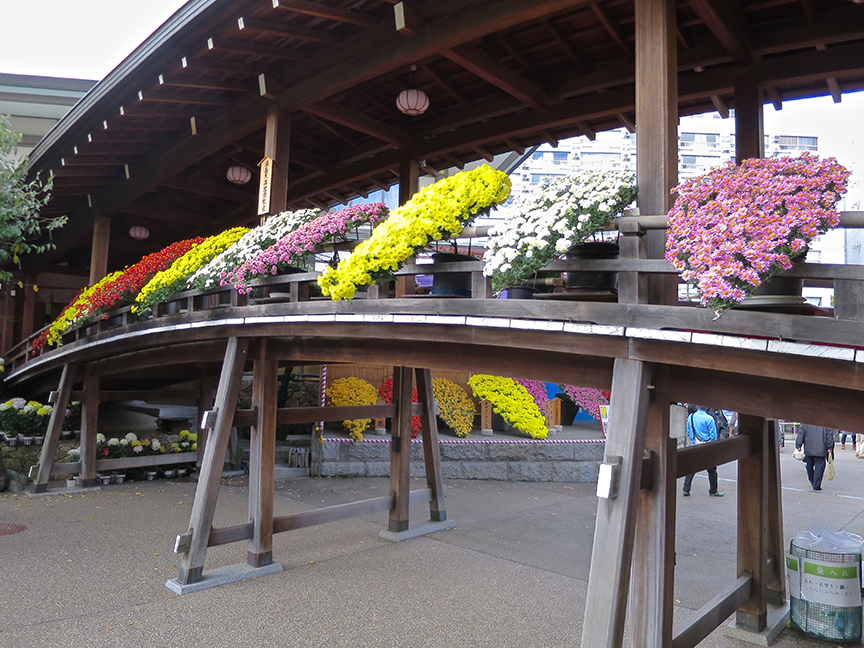
In November, don’t miss the chrysanthemum festival, where the exhibits never fail to wow and entertain. Each year, there are different historical figures, all made of living chrysanthemums…
And these marvels of horticulture—each huge balls is one plant!

The bridge is laden with a special style of bonsai chrysanthemums that remind me of Elvis bouffants.
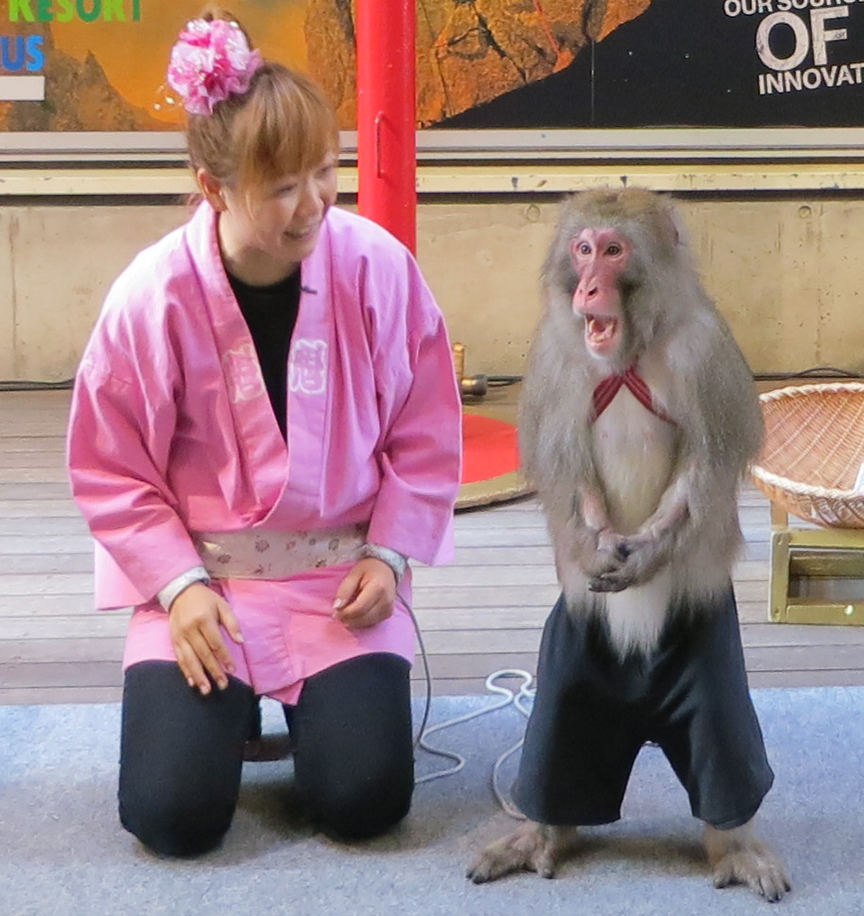
and on festival weekends, you can often catch a free monkey show (although it’s polite to drop a few coins when they pass the hat.)
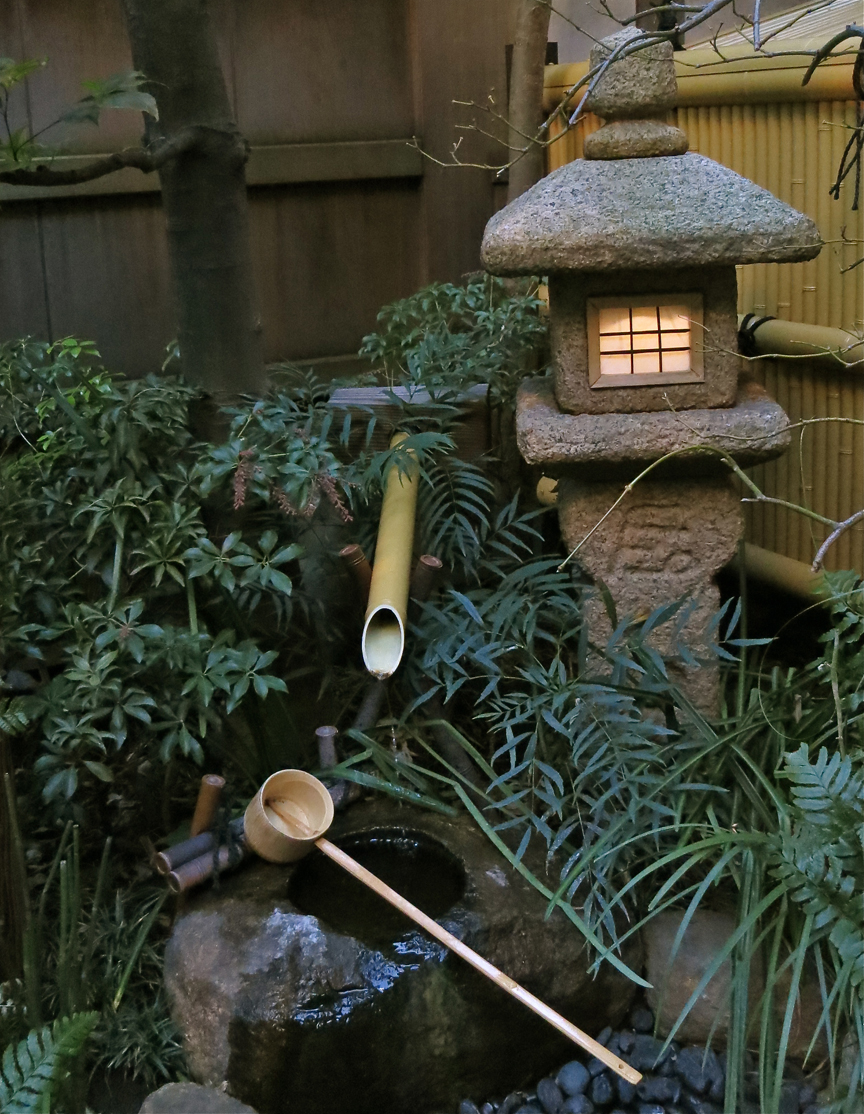
Let’s leave through the big torii gate to the right of the main shrine building. We’ll go straight down the long flight of steps with the wiggly handrail, and at the bottom (to the left) we’ll spot a garden that’s actually a musical instrument. Put your ear up to the bamboo tube angling out of the ground and you can hear the water music!
•
If you enjoyed this, subscribe!
Get all the latest Japan travel tips and tricks for free ヽ(*^ω^*)ノ
And here are the other places I take my friends when they come to town

•
Jonelle Patrick writes novels set in Japan, produces the monthly e-magazine Japanagram, and blogs at Only In Japan and The Tokyo Guide I Wish I’d Had
 Jonelle Patrick writes about Japan