
Cherries, schmerries, everyone crowds in to see the fluffy pink things, but they aren’t the only flower extravaganza to see in Japan! Not only will your friends be green with envy when you show them photos of these beauties, you’ll skip the jostling crowds and high-season prices.
•
Plum blossoms
Mid-February to mid-March
You’ve never seen plum blossoms until you see them in Japan.

From the rare varieties that boom in two different colors on the same branch…
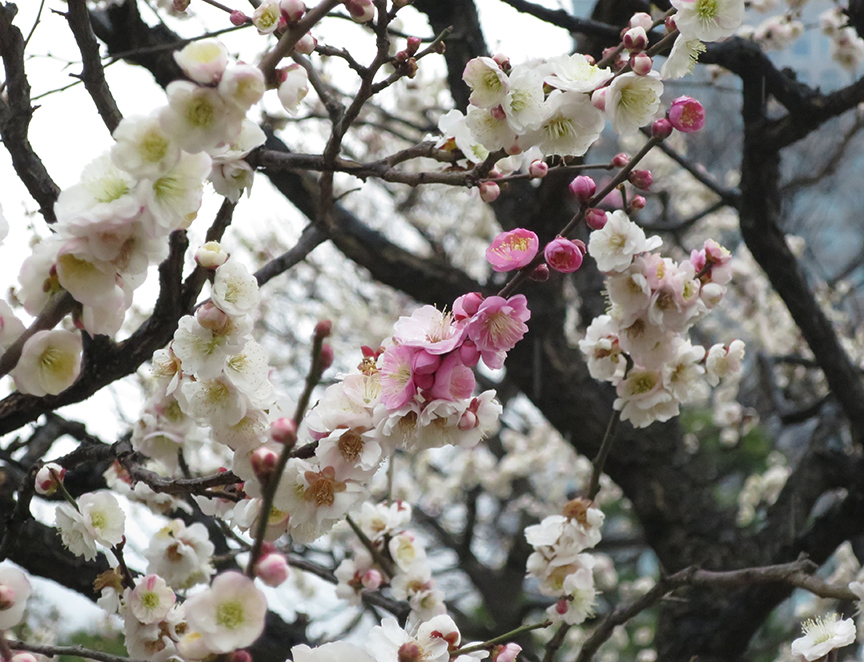
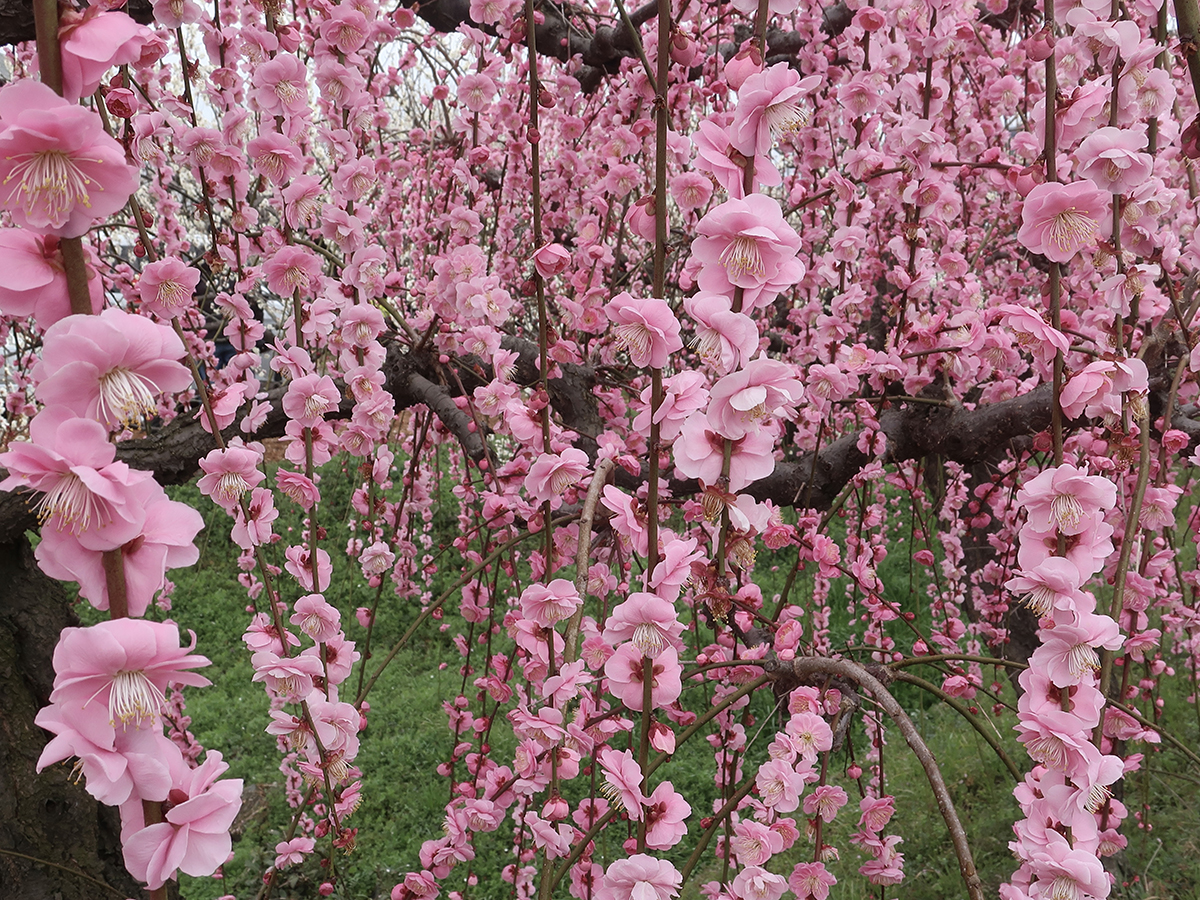
to wildly blooming weeping plums…

to stunning bonsais…

the plum blossoms in Japan are worth going out of your way for! Celebrated as a symbol of hardiness and beauty because they bloom long before any other plant has dug itself out of the snow, here are some of my favorite places to see them in Tokyo:
Here’s where to see the best plum blossoms in Tokyo.
And I bet you never thought you’d plan a trip around plum blossoms rather than cherries, but if it’s extravagant pinkness you’re after, these are an easy day excursion from Tokyo in Odawara. They bloom exactly a month before the cherry blossom forecast predicts peak tourist season in Tokyo!
•
Cherry blossoms
Mid-March to mid-April
If you must come for The Pinkness, you can at least avoid the worst of the crowds if you know they bloom in four waves of different varieties. Starting in mid-March with the dark pink kanzakura…
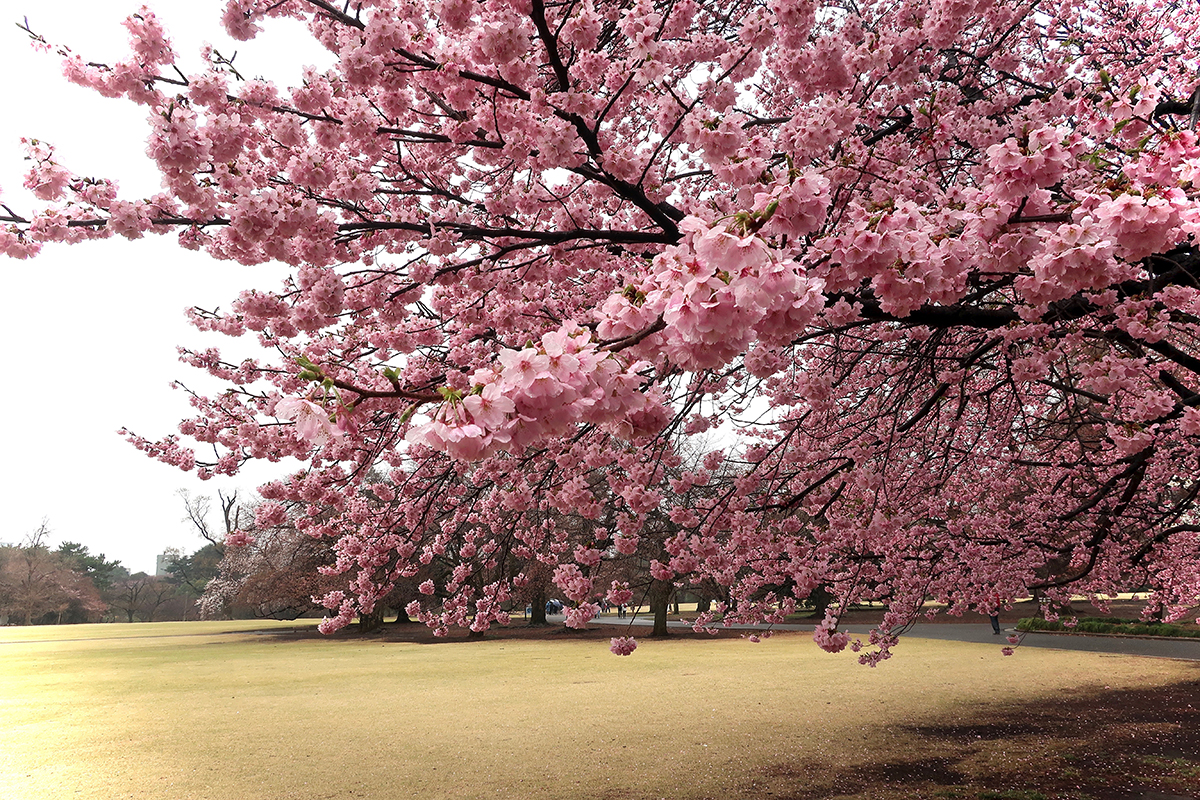
then the weeping varieties bloom from mid-March to the end of the month.
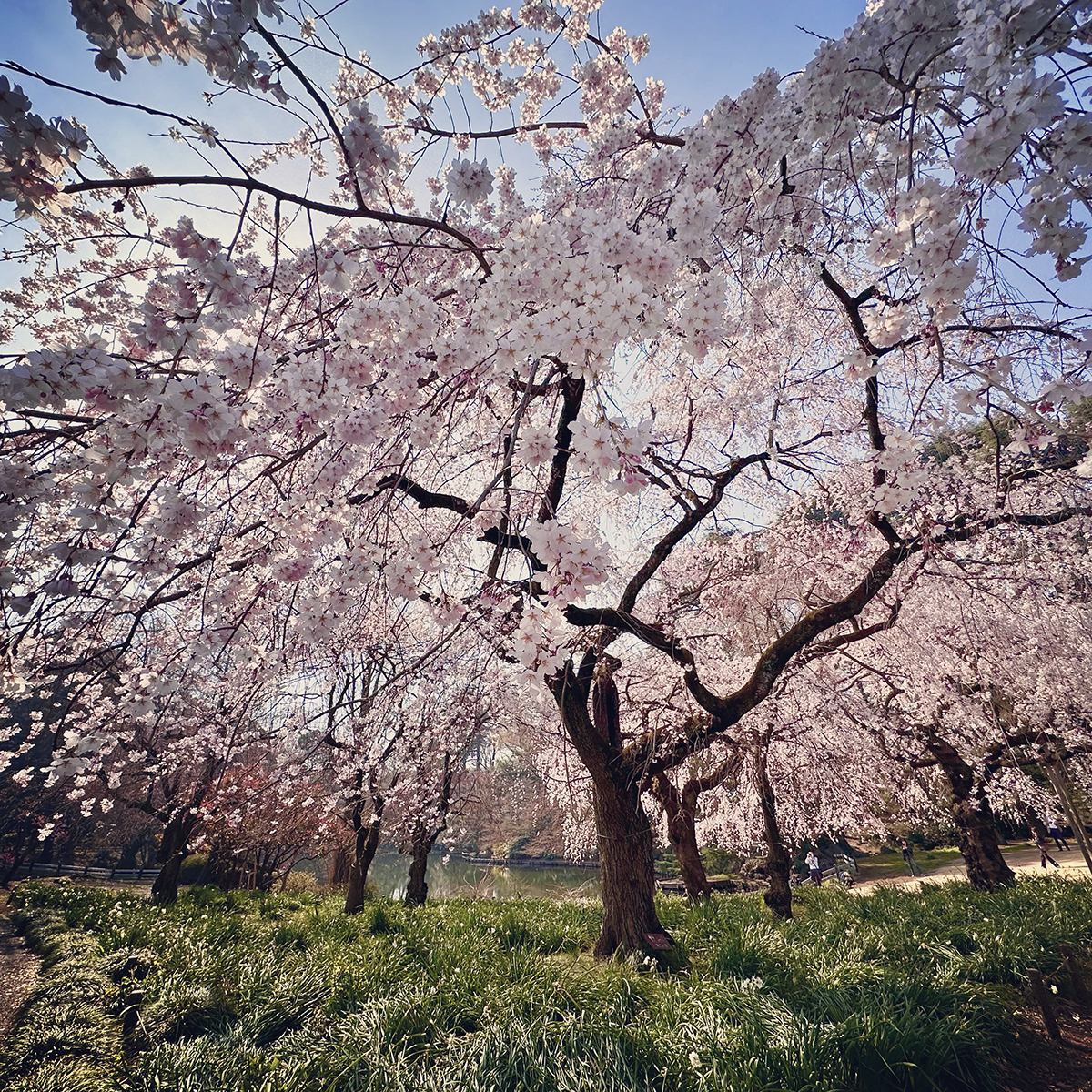
The classic pale pink somei yoshino variety imitate pink clouds during peak cherry blossom season, from around Mar 25 to April 3…

then clusters of the late-blooming “double” varieties flower between April 8 and 15.

Here’s where to see the best cherry blossoms in Tokyo, with maps to show you where each kind of tree grows in each garden
•
Azaleas
April
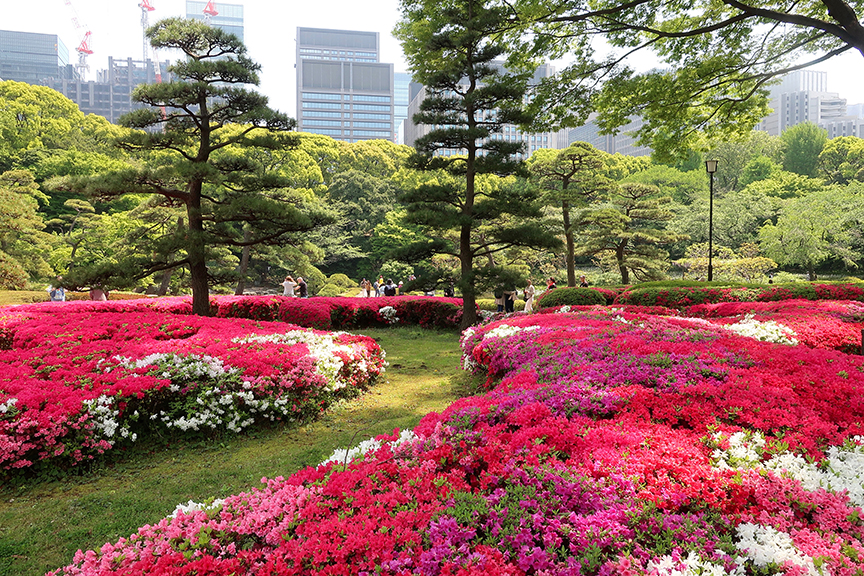
You haven’t experienced Japanese gardening prowess until you’ve seen vast hillsides of azaleas all bursting into bloom at once

If strolling pathways surrounded by pillows of brilliant blooms is your idea of heaven…
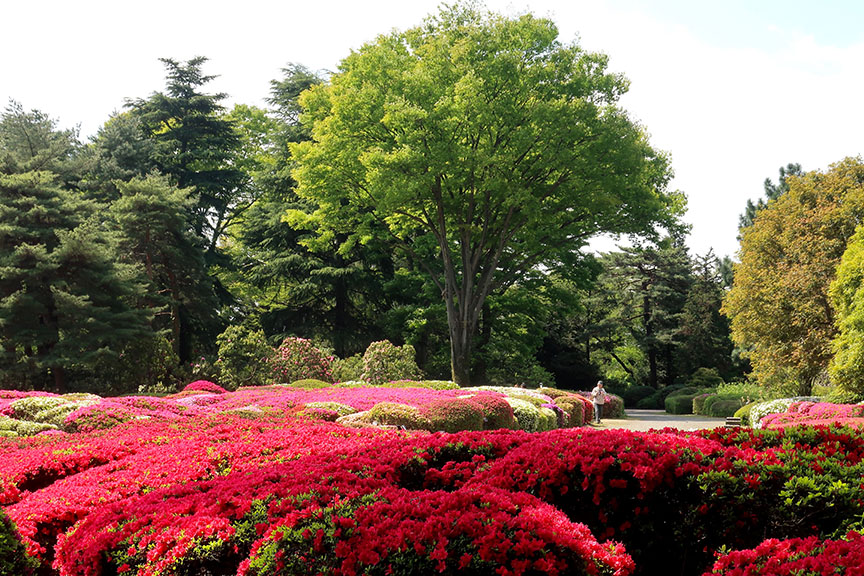
here are the best places to see azaleas in Tokyo.
•
Tulips
April
And nobody comes to Japan for the tulips, but if you love them as much as I do, don’t miss Showa Kinen Park, where they plant an entire landscape with so many dizzying varieties, you’ll think you’re in Amsterdam.

And nobody comes to Japan for the tulips, but if you love them as much as I do, don’t miss Showa Kinen Park, where they plant an entire landscape with so many dizzying varieties, you’ll think you’re in Amsterdam.
As one fades, another takes its place at Showa Kinen Park for the entire month of April.

•
Peonies
April
If stunning flowers as big as dinner plates is more your style, these.

Long a Japanese symbol of flowering womanhood, there are several gardens with rare specimens bursting into glory in April…
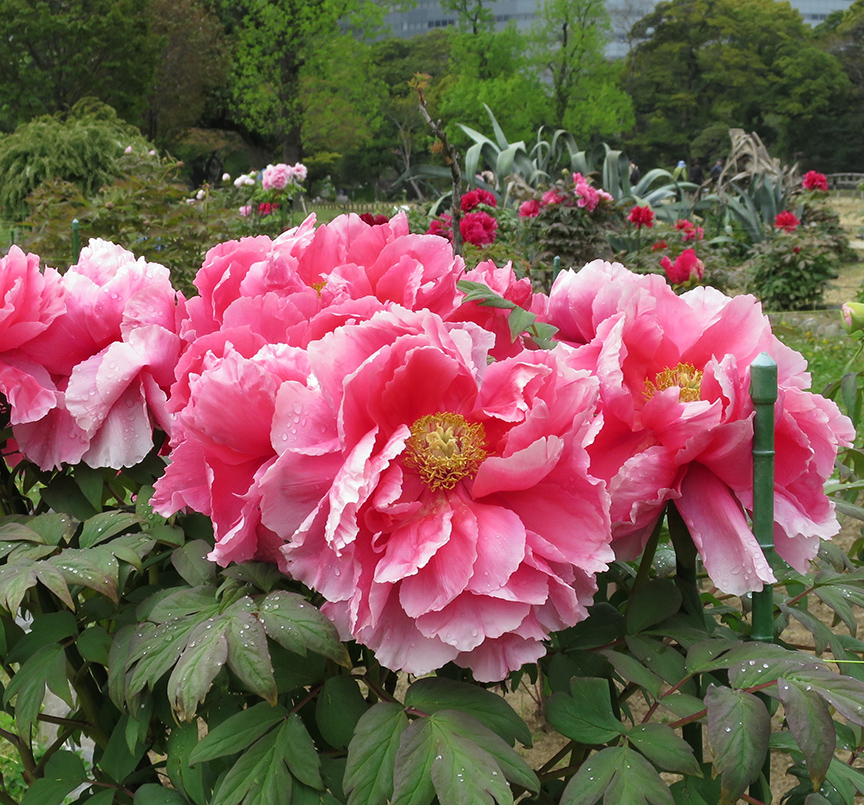
as well as several places to see curated shows, where some plants are so precious, they get their own parasols.

Here’s where to see the best peony gardens in Tokyo.
•
Wisteria
Late April to early May
Words fail when it comes to Japanese wisteria. This flower is so rooted in Japanese culture, it figures in countless woodblock prints and haiku poems. They’ve been cultivated in Japan since before the samurai era, and it shows. This behemoth at Ashikaga Flower Park is one plant…
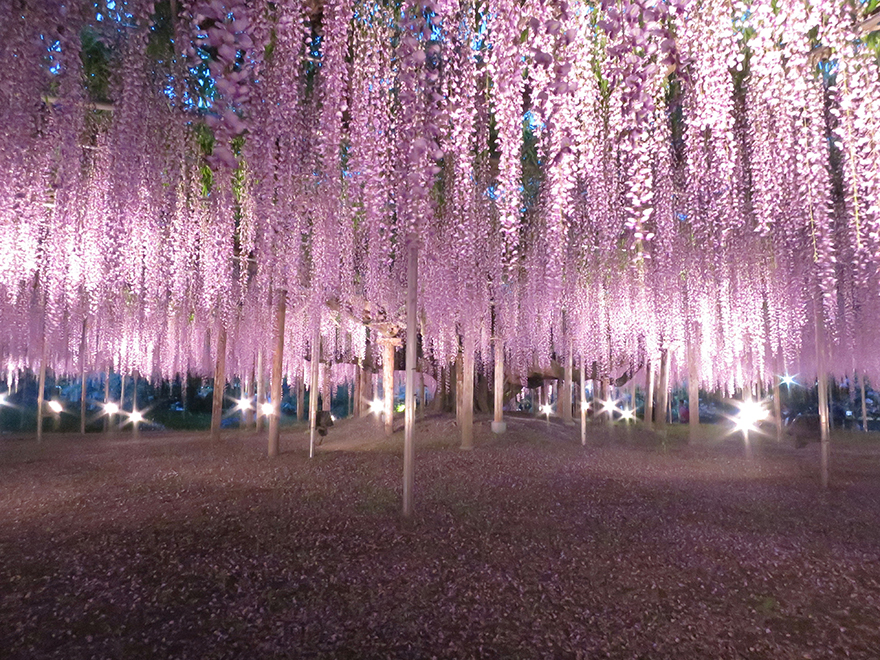
as is this beauty at the Nishiarai Daishi temple

They bloom in such profusion…

and variety,
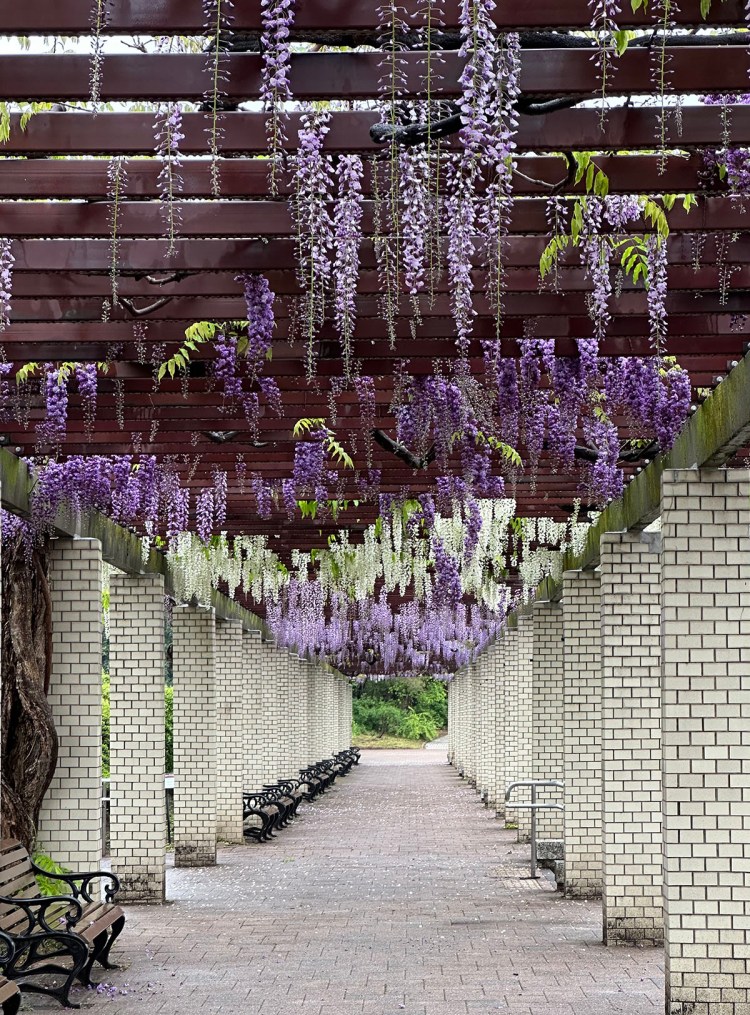
you just can’t stop saying, “Wow”

But it’s so hard to choose! Here are more of the best wisteria in Tokyo
•
Shibazakura
Late April to early May
You’ve probably never heard of a plant called shibazakura (often translated as “ground cherries” but they’re actually a type of phlox) but there’s a park near Tokyo where they plant entire hillsides with them in the month of April. Here’s what one little corner of the place looks like:
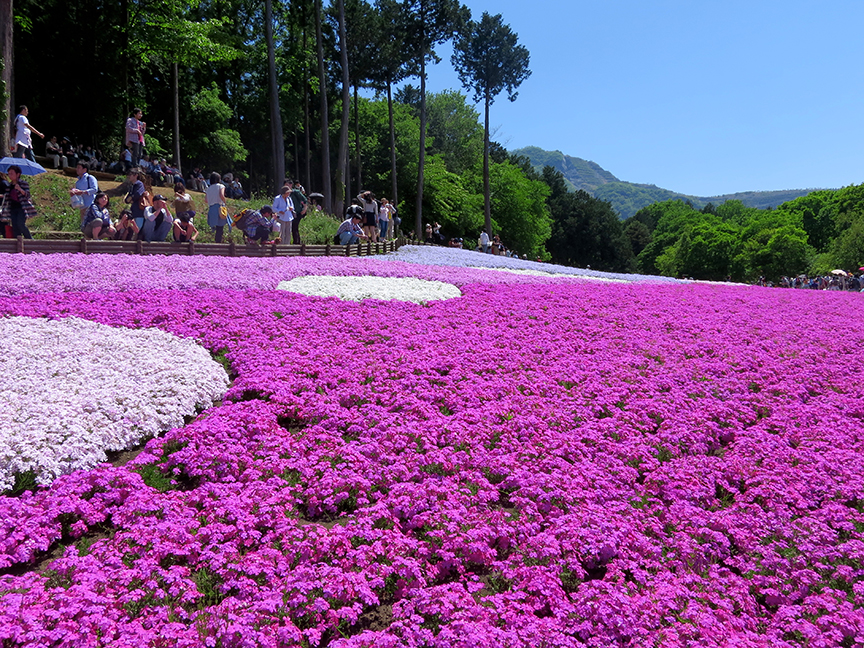
It’s not one of the most traditional flowers of Japan, but the sheer sweep of using flowers to paint a landscape like this is worth seeing! This is the place to see shibazakura.
•
Nemophila
Early to mid-May
If you’re like me, you never heard of nemophila (even though it’s a native of my own NorCal backyard) but a few years ago, it became an overnight sensation on Japanese Instagram. If you don’t want to make the trek to Hitachi Seaside Park to see the hills totally carpeted with the sky blue flowers also known as Baby Blue Eyes…

you can catch the same vibe at Showa Kinen Park.

unless it’s a year they decide to plant poppies in that field instead.

•
Japanese Iris
Late May to early June
Japanese iris have been cultivated here for centuries, also figuring in many woodblock prints. Near the end of the month, riotous fields of many varieties burst into bloom…

some in secret gardens only open during iris season…
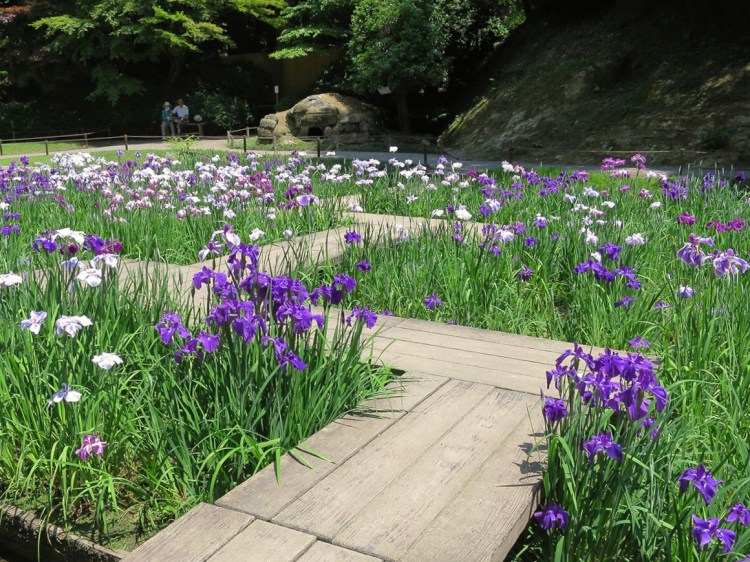
others blossoming profusely in rambling parks…

Here’s where to see the best iris extravaganzas in Tokyo.
•
Hydrangeas
Late May to early June
If you think of hydrangeas as those boring white puffballs growing by grandma’s porch, think again.

Hydrangeas are native to Asia, and Japan has been hybridizing the deep blue native kind for hundreds of years. You can see them in natural preserves…
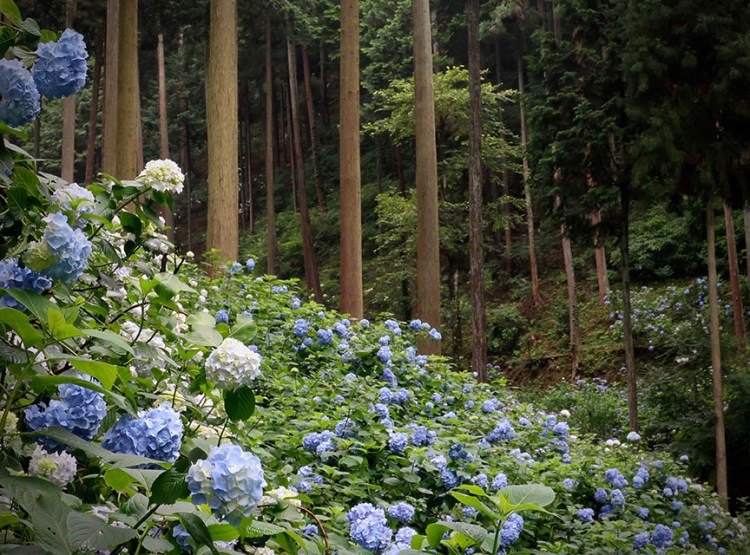
at temples where their many varieties are celebrated in great profusion…
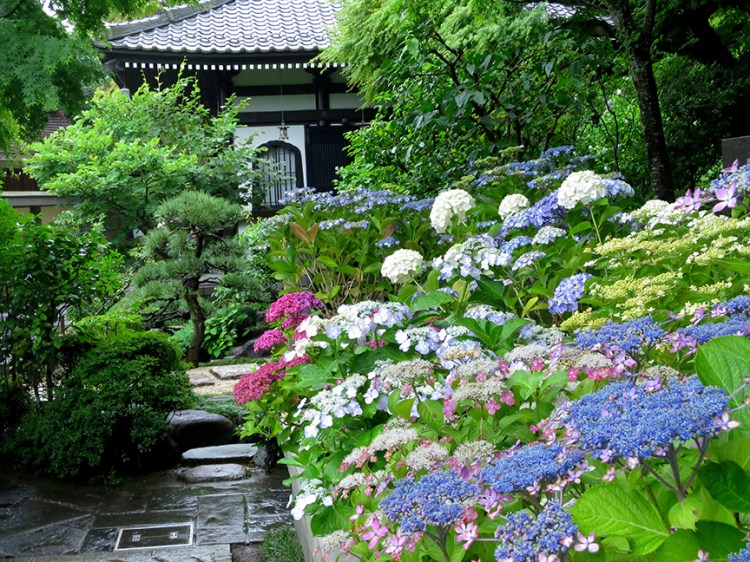
and at parks where they’re admired as as lush sign of summer goodness.

Here’s where to see amazing hydrangea gardens in Tokyo.
•
Lotus
Mid-July to mid-August
July is sacred lotus season, and Ueno Park’s Shinobazu Pond celebrates the giant pink flowers with a riot of fūrin glass bell chimes…
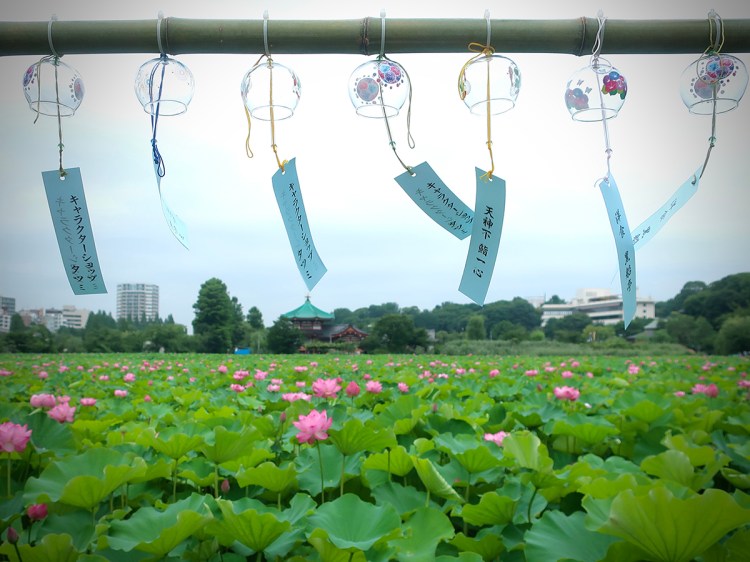
while Sankei-en Garden recruits volunteers for their summer lotus festival to demonstrate all the strange things you can do with one of the lotus leaves from their vast pond.
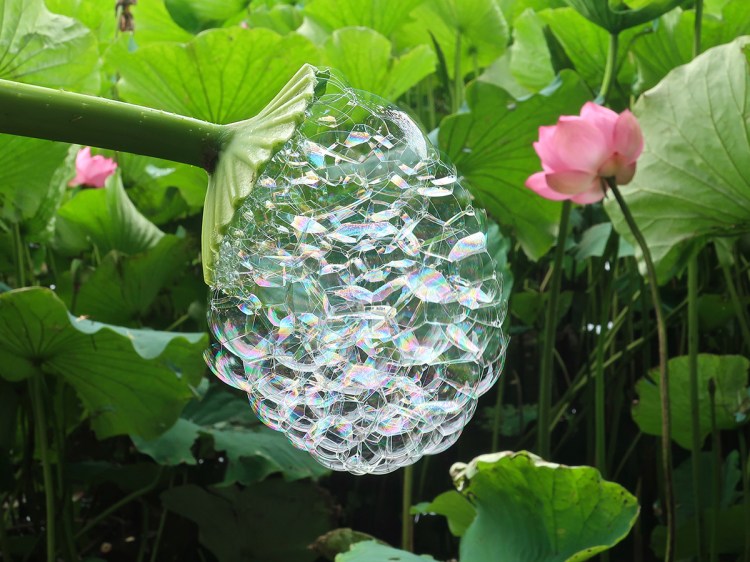
If you want to see rare and unusual varieties, get thee to the Tokyo University’s lotus research center to see their fabulous cultivars.

Here’s where to see the most divine lotus blossoms in Tokyo.
•
Higanbana
Late September
These indigenous amaryllis burst into spectacular bloom at parks and gardens…
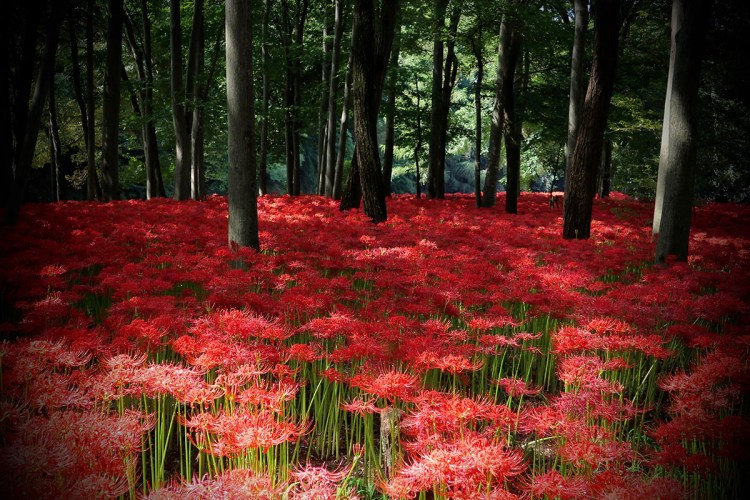
around the solstice (third week in September), which is why they’re also called red solstice lilies. (And even though they’re pretty, you never see them in bouquets because they often grow near graveyards, so are considered a bit unlucky!)
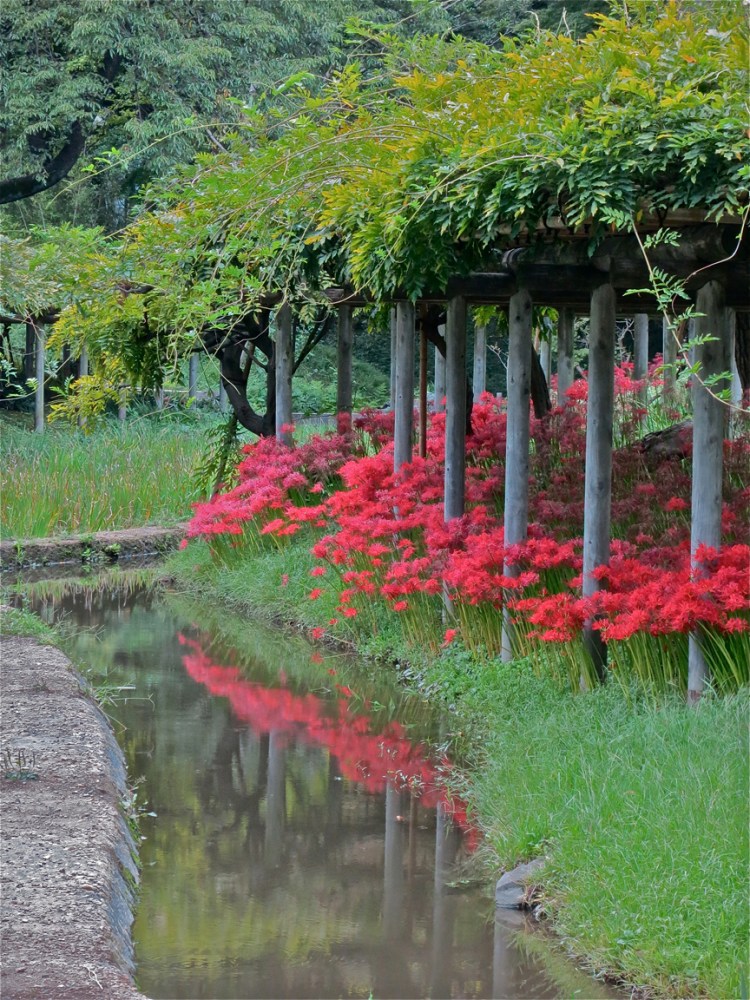
Here’s where to see the best solstice lily goodness in Tokyo
•
Cosmos
Late September to early October
These aren’t traditional Japanese flowers, but they’re a beloved fall display anyway. Individually they aren’t that spectacular, but planted in vast fields they make quite a spectacle! First, the orange ones…
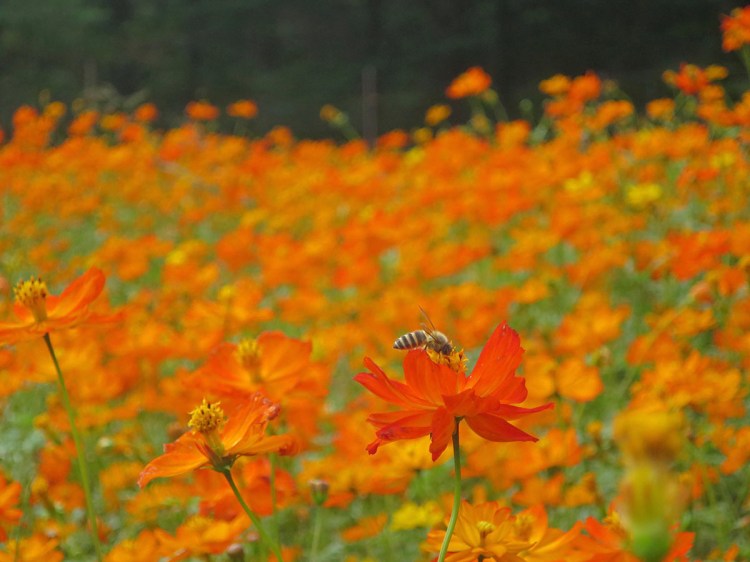
and the mixed fields…

then, the pink and purple ones…
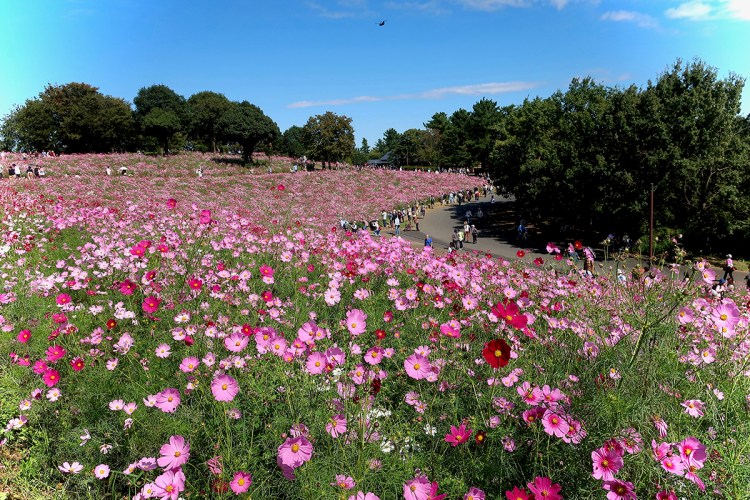
and finally, the yellow and white ones.

Here’s where to see big fields of cosmos in Tokyo.
•
Bush Clover Tunnels
Late September to early October
Bush clover is beloved by haiku poets as a sign of fall, but it’s pretty unassuming…until you plant a whole tunnel of it.

Here’s where you can walk through a long tunnel of blooming bush clover.
•
Autumn Leaf Season
Late October to early December
Okay, I know autumn leaves aren’t exactly flowers, but I think you’ll be happy to know where to see the best ones in Tokyo, once fall rolls around!
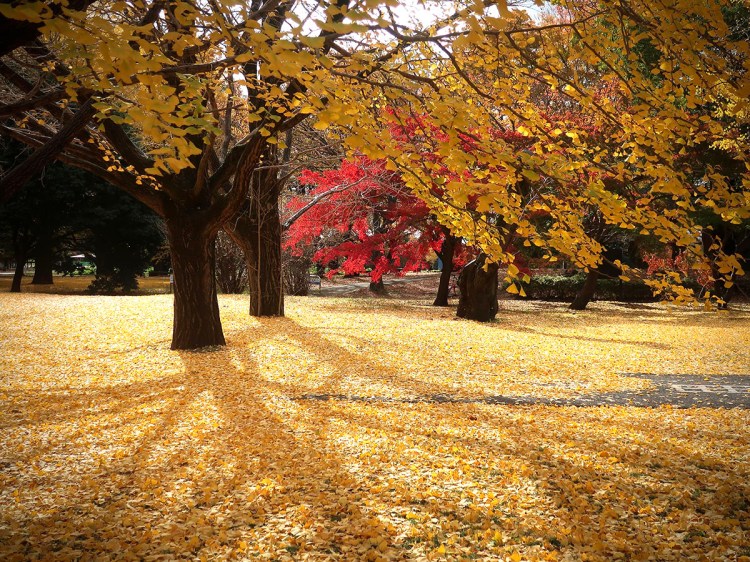
The Japanese maples start turning color in the parks on the outskirts of Tokyo at the very tail end of October, and continue through November, then…
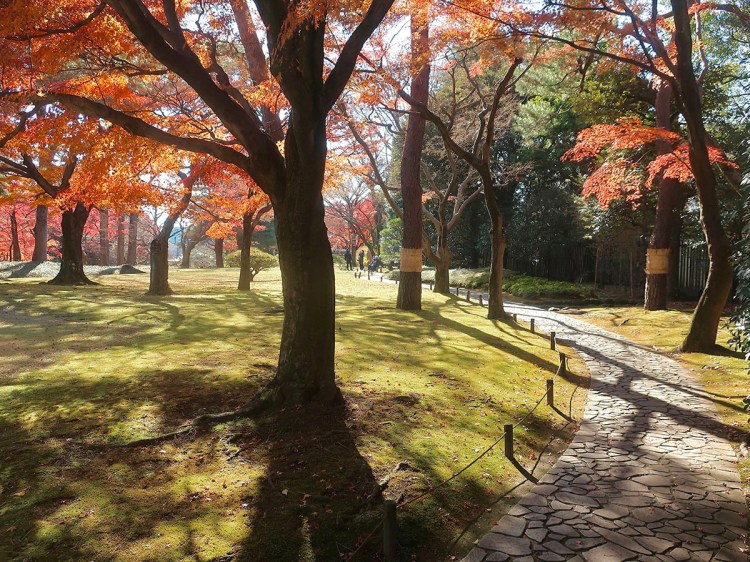
the ginkgo trees take over, turning into torches of gold overnight

Here’s where to see the most spectacular autumn leaves in Tokyo.
•
Chrysanthemums
November
But hold onto your hats, we’re not done with flowers yet! Because the last—but arguably the most amazing—flower extravaganza of the year is the bonsai chrysanthemum competitions that happen every November.
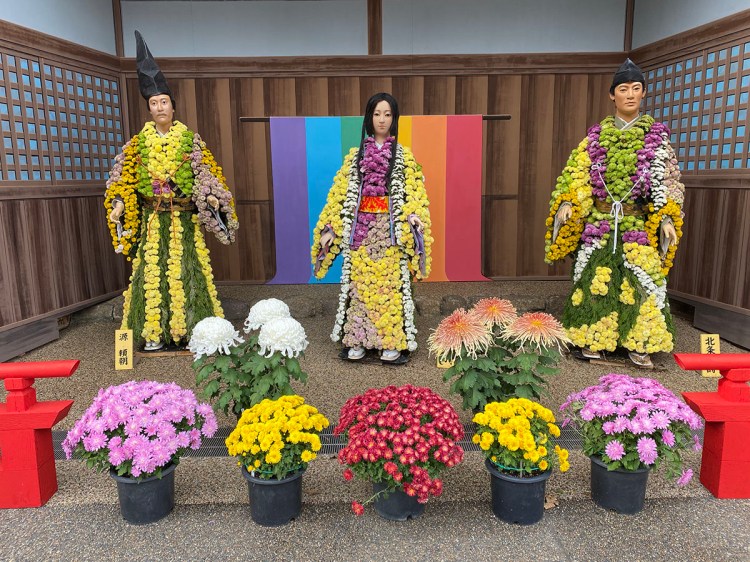
Yes, you heard me right: BONSAI CHRYSANTHEMUMS. Because shockingly enough…each of these is just one plant.
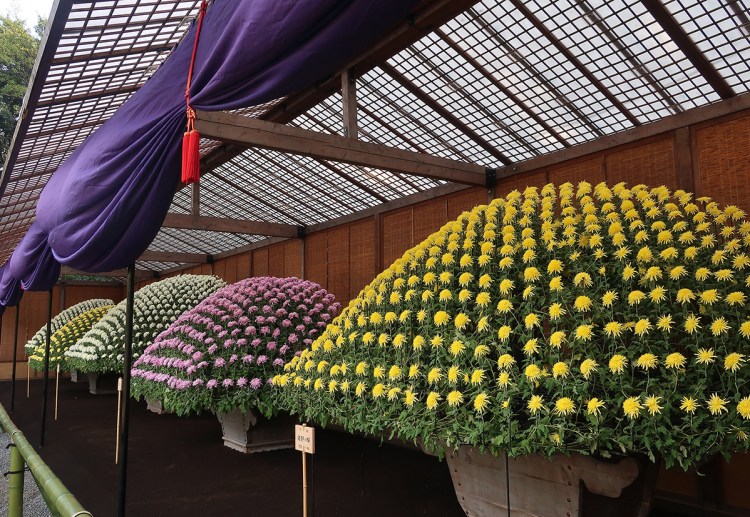
They’re covered with blooms and trained into the most amazing shapes

Here’s where to see the most jaw-dropping chrysanthemum displays in Tokyo.
I hope this adds a little seasonal wow to your trip, especially if you’re not coming for Pink Season. Whatever you came to Japan to see, I guarantee you’ll go home with a camera roll full of flowers!
•
If you enjoyed this, subscribe!
Get all the latest Japan travel tips and tricks for free ヽ(*^ω^*)ノ
And here are the other places I take my friends when they come to town

•
Jonelle Patrick writes novels set in Japan, produces the monthly e-magazine Japanagram, and blogs at Only In Japan and The Tokyo Guide I Wish I’d Had
 Jonelle Patrick writes about Japan