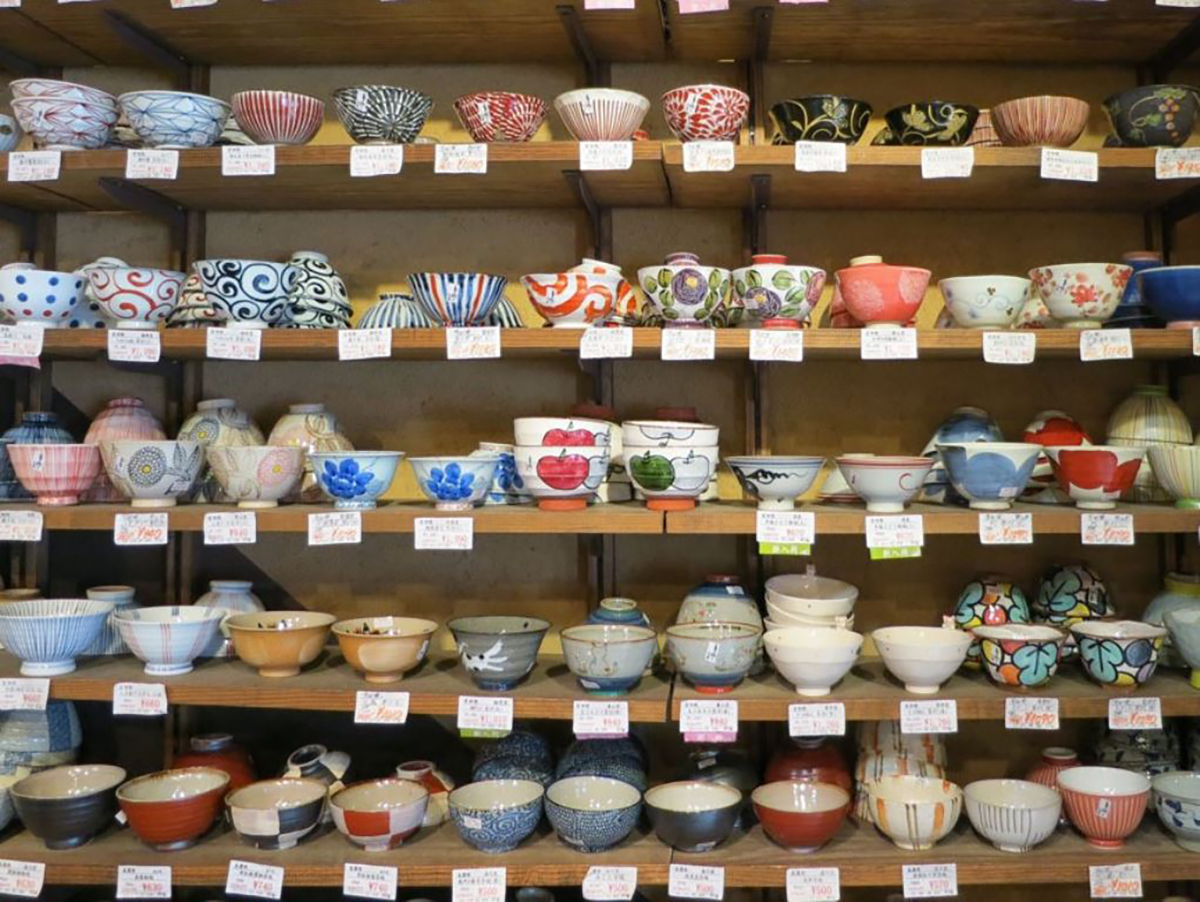
Whether you’re looking to be wowed by the work of the masters or buy some dishes that’ll inspire you keep your vow to eat more Japanese food and drink more green tea when you get home, here’s where to see the best ceramics and pottery in Tokyo!
•
1: Let’s get inspired!
These museums own works by famous master potters of yore and aren’t shy about putting them on display
Here are three very different places that are always displaying noteworthy tea ceremony bowls and other culturally significant Japanese ceramics.
•
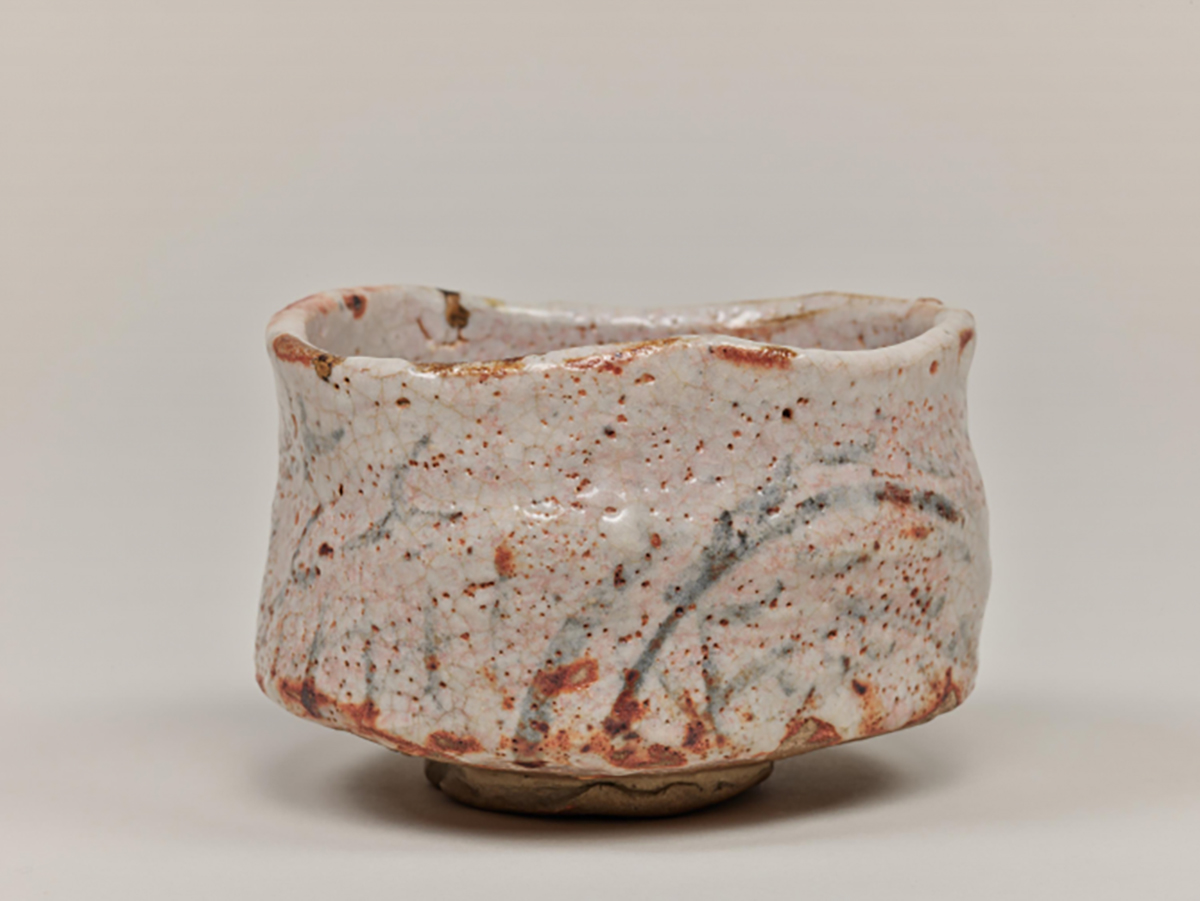
No surprise, the Tokyo National Museum’s permanent collection includes impressive ceramics from every prefecture and every historical period, including many pieces that are so revered, they have names. The gallery dedicated to ceramics features a rotating assortment of priceless pieces, from all over Japan.
Open: 9:30 – 17:00, closed Mondays
Admission: Adults ¥1000
•
The Mingeikan (Japan Folk Crafts Museum)
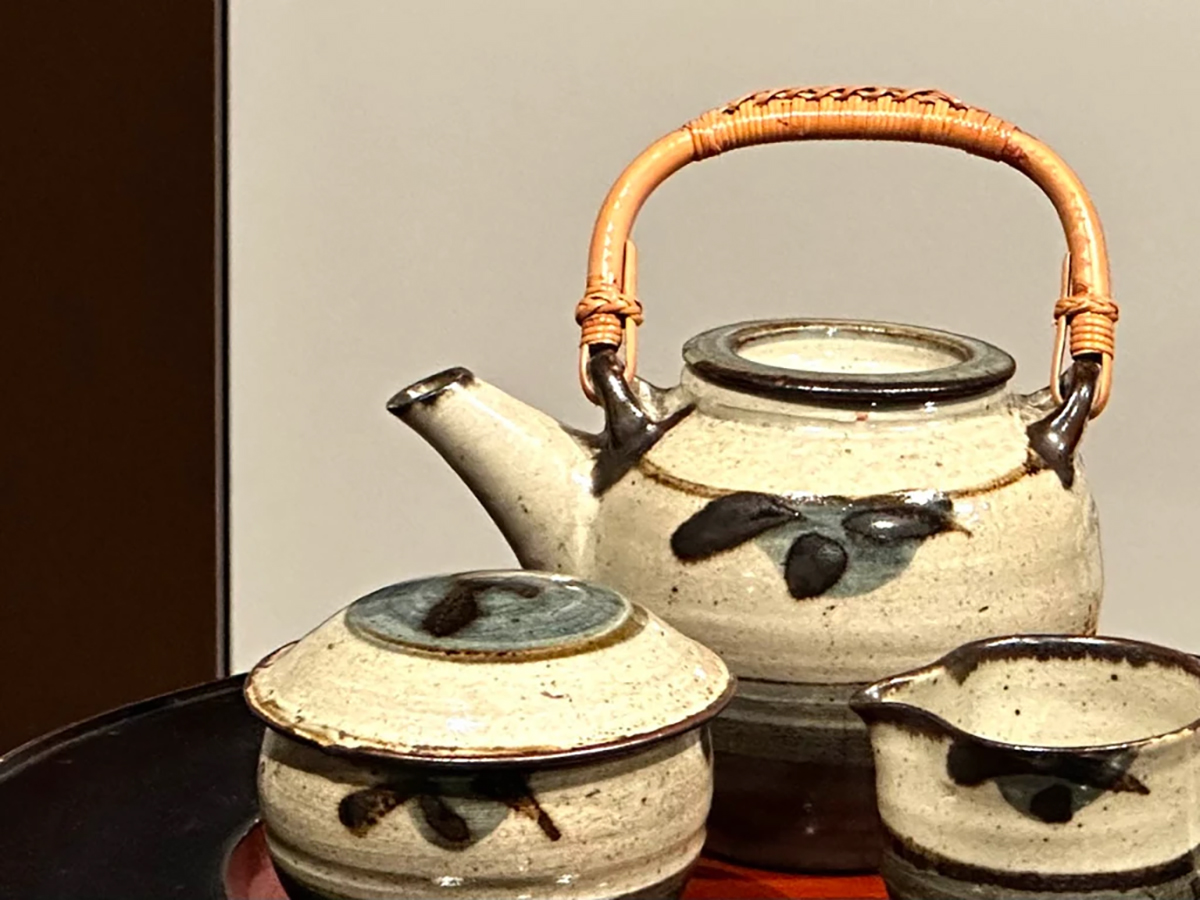
This museum houses the best Mingei Movement ceramics in the world, celebrating the very Japanese teaching that ordinary, useful objects made by fine craftsmen rather than famous artists can also be High Art. Founded in 1925 by Soetsu Yanagi, the items on display ironically include works by Mingei Movement artists subsequently named National Living Treasures, as well as the folk art pieces that inspired them.
Open: 10:00 – 17:00, closed Mondays and during exhibition preparation periods
Please check this website page before going
Admission: Adults, ¥1500
•
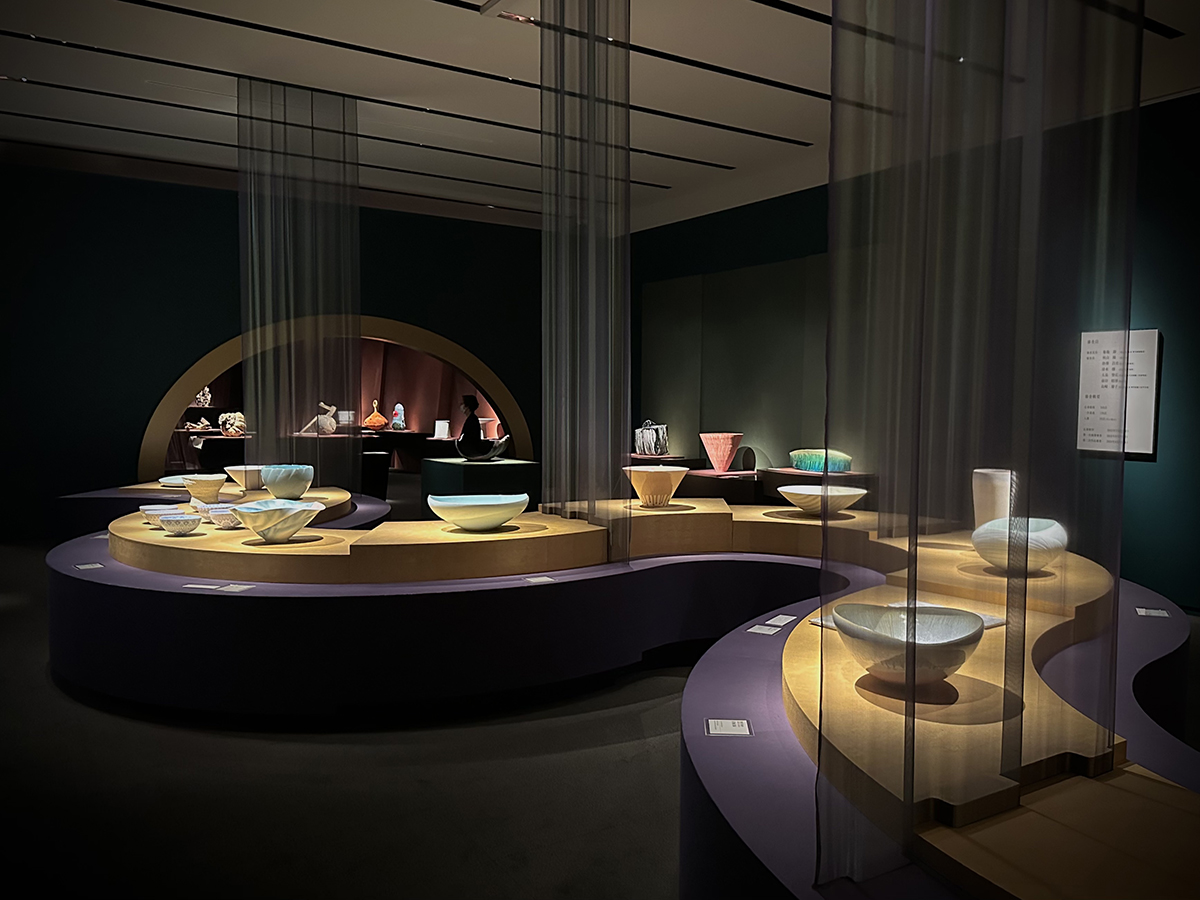
Dedicated to putting together exhibitions of the most innovative modern ceramics in the world, shows at this museum are not to be missed. Their own permanent collection is spectacular, featuring many modern Japanese and international artists who are using their mastery of traditional methods and glazes in whole new ways. Their building was designed to showcase each piece exquisitely, and the curation of the exhibits is as much a draw as the pieces themselves. Be sure to check their schedule before going, though—they close down for longer than most museums between exhibitions.
Open: 11:00 – 18:00, closed Mon and during exhibition preparation periods
Please check their website before going
Admission: Varies by exhibition
•
2: Gotta see them all!
Where to see (and buy) pottery from the best kilns in every prefecture, all in one place
Japan is a land of peaks and valleys, and each tiny region developed its own fabulously distinctive styles of ceramics, based on local materials and influences. From Arita’s fine white porcelain glazed in shimmering blue-green to the chunky flame-kissed beauty of Bizen ware, how will you know which you like best unless you see them all? Lucky for you, there are three places where you can see ceramics from the best kilns in every region of Japan, all in one place! Better yet, you can buy them if you see something you like.
•
The Japan Traditional Craft Center
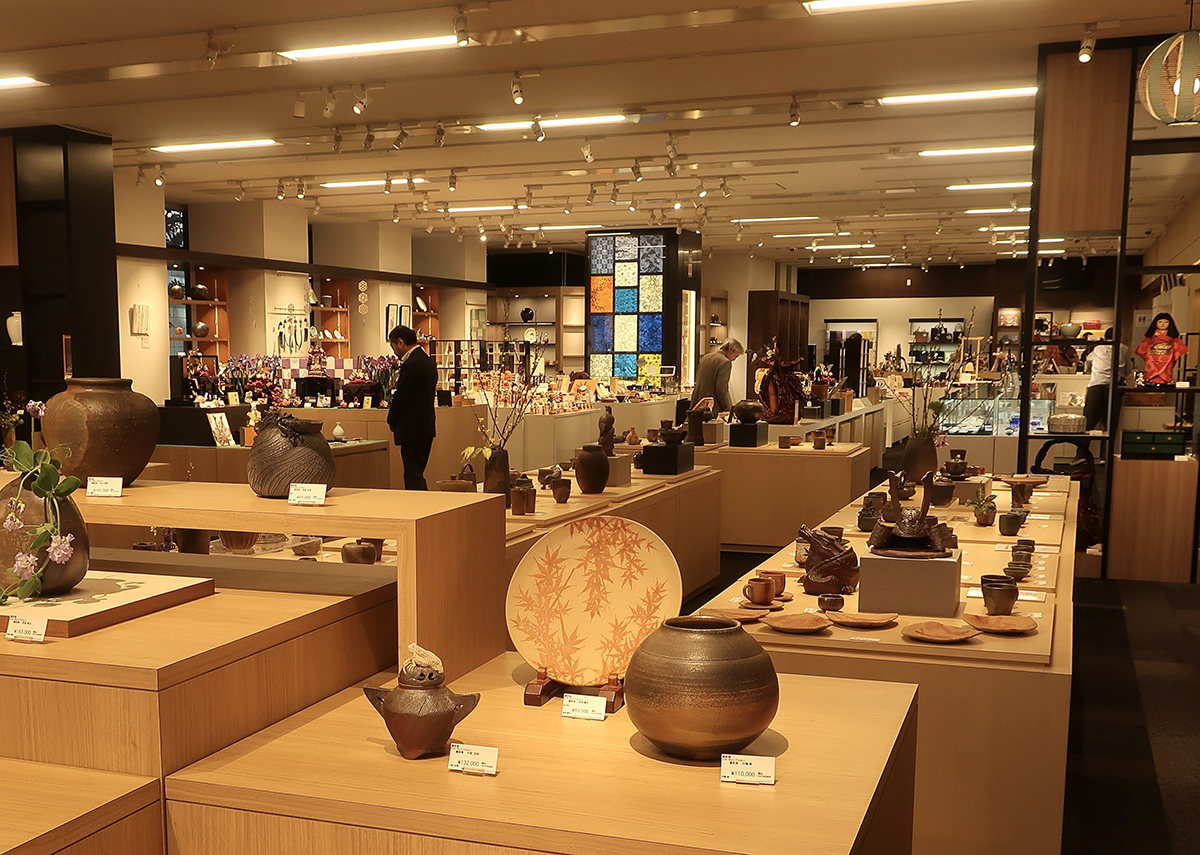
This is where to start. The government funds this gorgeous store in order to support masters of traditional Japanese arts from all over the country by bringing the best of the best of the best to be displayed and sold in the capital. Only ceramics from the finest kilns (and other fabulous Japanese crafts, from lacquerware to fishing poles) who make their wares by hand in the old-fashioned way are allowed to be sold there, and they are sold at a price that is no more than you’d pay if you journeyed to that far-off prefecture and bought it from the artist. A must-see for ceramics lovers (and collectors).
Open: 11:00-19:00, closed Sundays
Admission: Free
•
Mitsukoshi Flagship Department Store
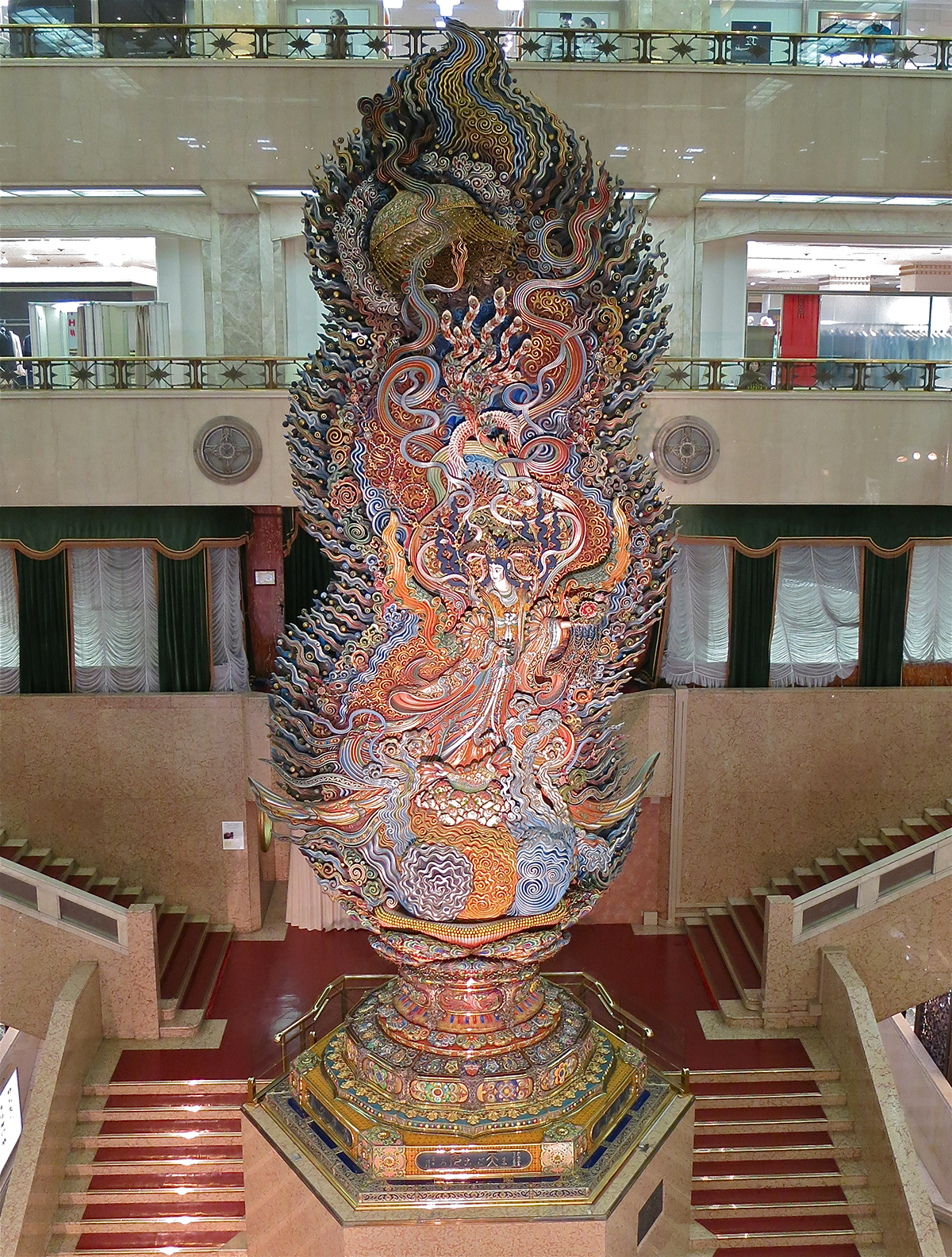
The grandaddy of all Mitsukoshi department stores (the one at Mitsukoshi-mae Station) is worth visiting just for the sheer cultural experience of being in the presence of their towering Goddess of Serenity figure, but the fifth floor offers a vast selection of ceramics from all over Japan, of the very highest quality. (And the highest prices—this has been the go-to store for giving impressive gifts ever since it opened, and I tend to think of it more like a museum where there’s no glass cases than a buying opportunity!)
This note is for those who see something they really really really can’t go home without: Serving pieces like trays and teapots are obviously sold by the piece, but many of the dishes you see on display are only sold in sets of five, as is traditional in Japan. If you need more than that, you need to buy two sets (ten pieces), and it’s possible that they won’t have two sets in stock.
Open: Every day, 10:00 – 20:00
Admission: Free
•
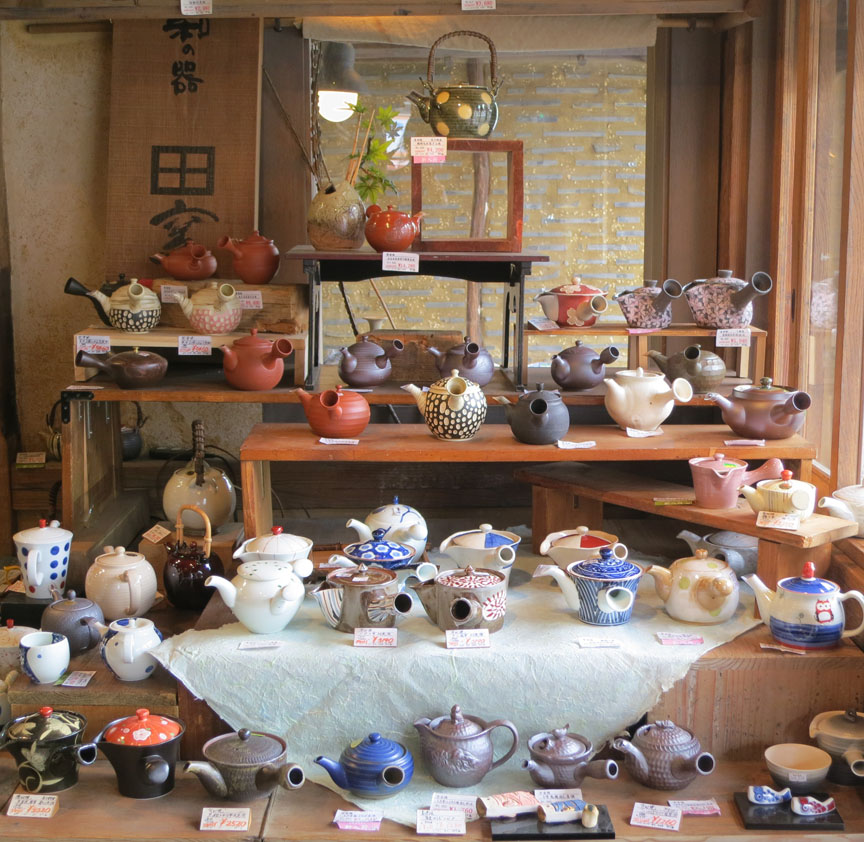
The destination best known amongst visitors as the place where they sell those super-realistic plastic food models is actually the restaurant supply capital of Tokyo, which includes those specializing in the kind of high-end traditional Japanese cuisine that requires a platoon of gorgeous dishes to serve it on. My favorite shop offering wares from the finest artists all over Japan (and at reasonable prices) is Dengama, but strolling along this street will deliver many juicy opportunities to find the pottery of your dreams. An additional plus of shopping on Kappabashi Street is that you can buy any number of pieces, not just the 5-piece sets available at typical retail stores.
Open: Most stores open at 10:00, some closed on Sundays
Admission: Free
•
A personal note…

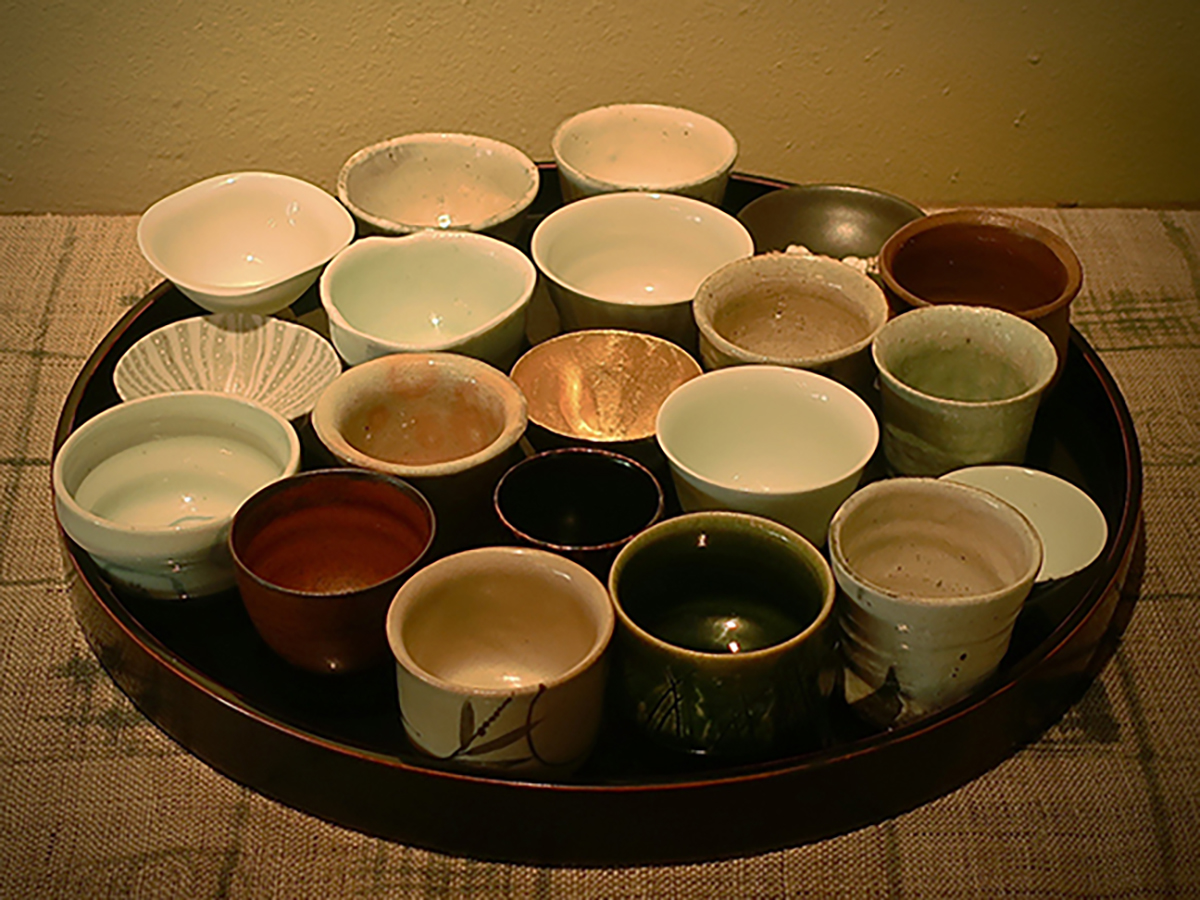
If you notice a little more fervor than usual, it’s because I love Japanese pottery. Not only did I write a whole novel about a National Treasure tea bowl that goes missing and how it’s found again, the first time I lived in Japan, I moved there with five boxes of belongings…and went home with 74. Guess what was in most of them.
•
If you enjoyed this, subscribe!
Get all the latest Japan travel tips and tricks for free ヽ(*^ω^*)ノ
Would you like to be whisked away to Japan, wherever you are?
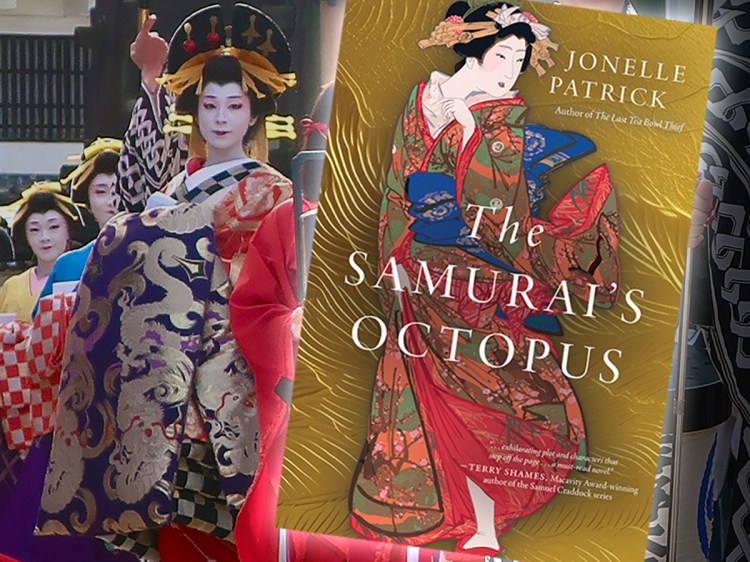

“The Samurai’s Octopus is a truly remarkable book, one that surprised and charmed me at every turn of the page…an enchanting, fascinating journey. You’re in for a treat.”
—James Ziskin, Anthony, Barry, and Macavity Award-winning author of the Ellie Stone mysteries
Jonelle Patrick writes novels set in Japan, produces the monthly e-magazine Japanagram, and blogs at Only In Japan and The Tokyo Guide I Wish I’d Had

