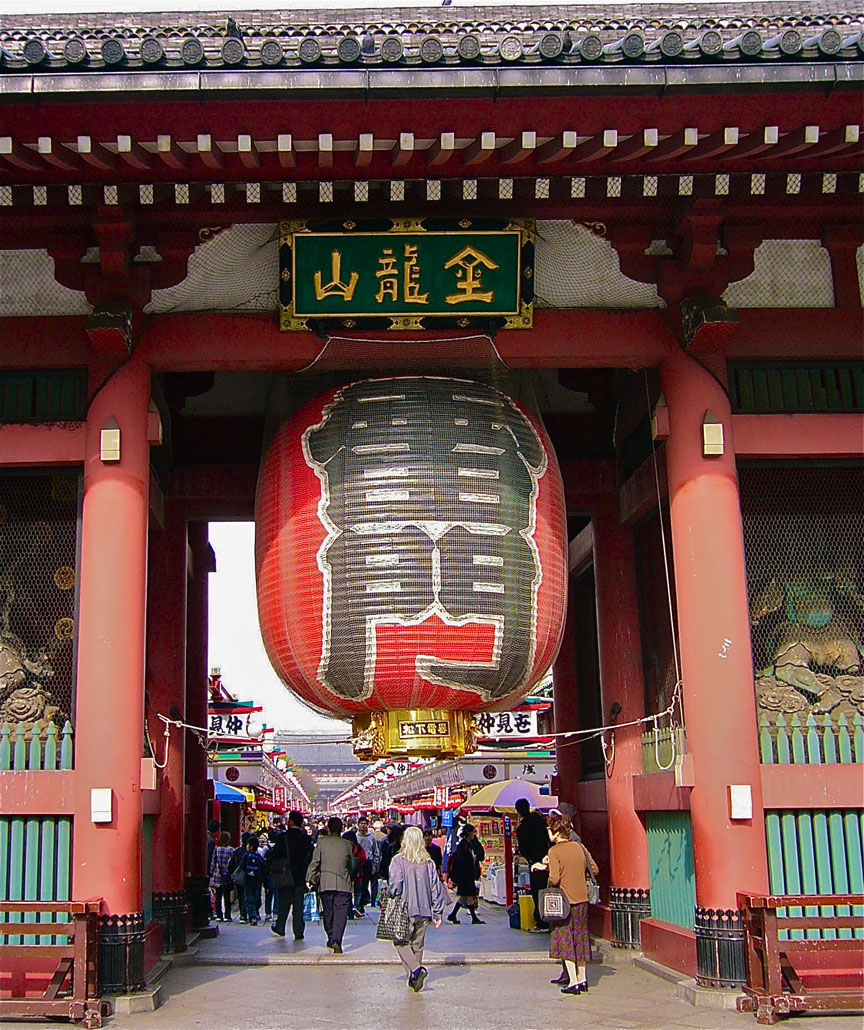
This is where I often take people on their first day in Tokyo. It’s everything you think Japan should be – traditional festivals, a secret garden, temples & more. Asakusa is a lively, traditional, truly Japanese neighborhood. There’s a huge Buddhist temple, and shops that sell goods and food still made the way they’ve been doing it for centuries.
Let’s start at the Kaminari-mon (Thunder Gate) and walk down Nakamise-dori, the shopping street leading to Senso-ji temple and ogle the fun stuff in the stores as we pass. Most of the shops along this street have been making and selling traditional Japanese goods for generations.

Like freshly-made rice crackers…

patterned washi paper, glass bells, hanging curtains, woodblock print reproductions…

traditional festival wear…
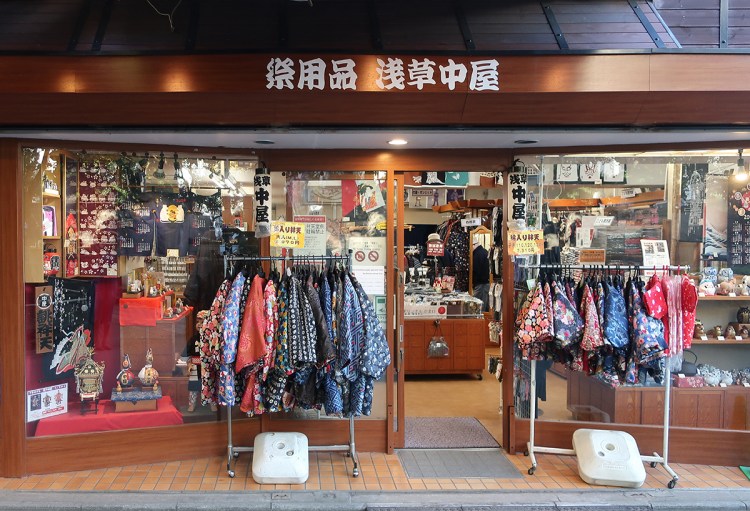
seasonal works of art that are also Japanese tenugui hand towels…
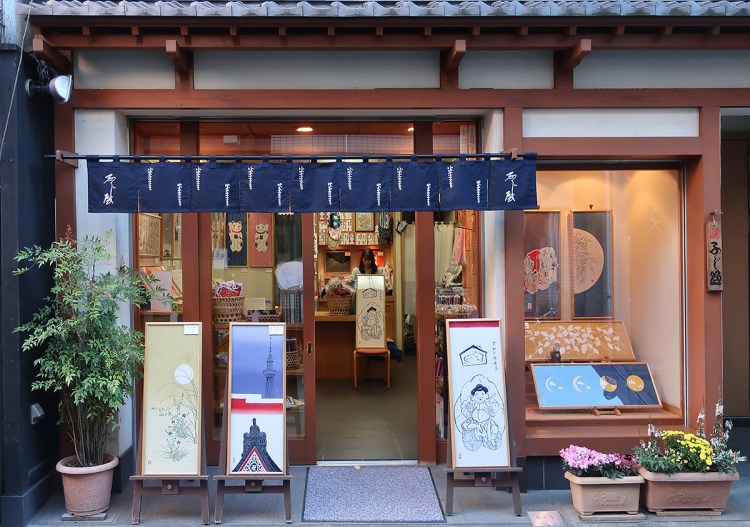
and more! Snacks like taiyaki (filled with sweet red bean jam) and sembe (rice crackers) are still made fresh each day in Asakusa.

When we’ve finally made our way to the end of Nakamise Shopping Street, we can see Sensō-ji temple straight ahead, past another grand gate.

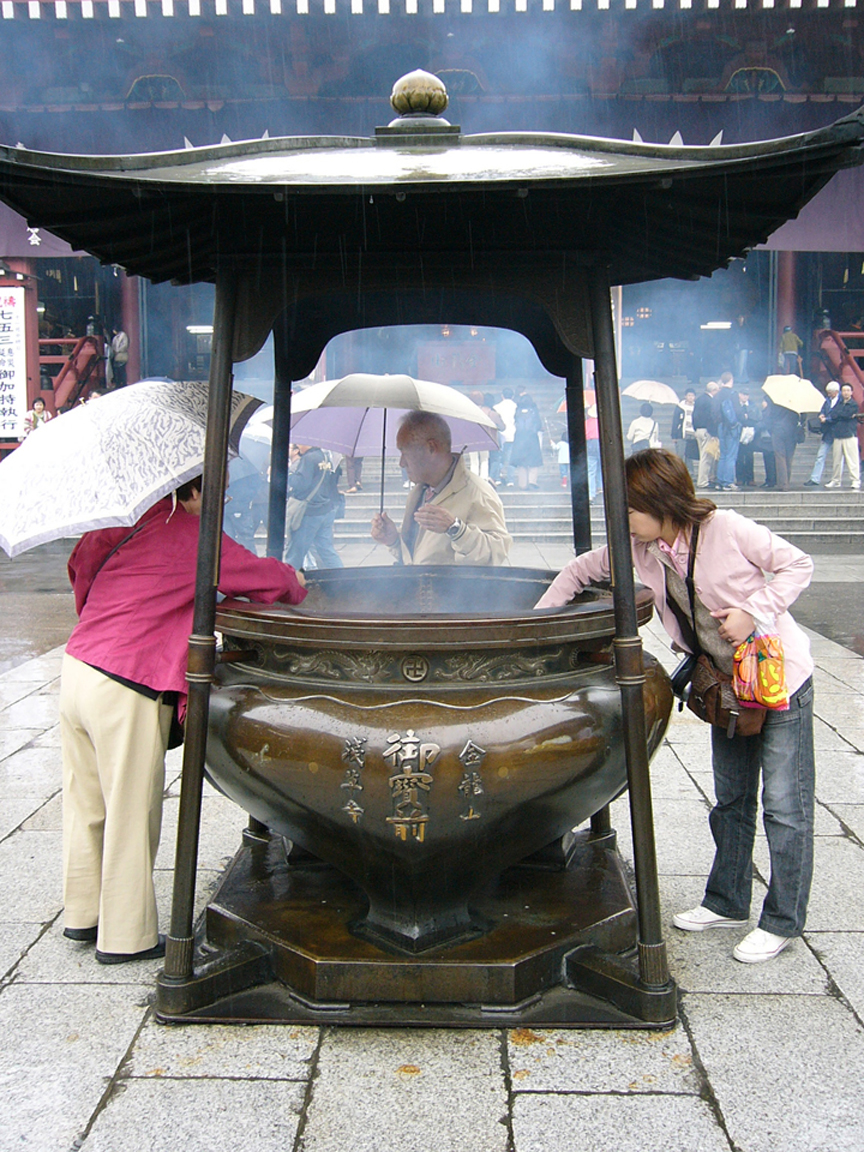
In front of the temple is a huge incense urn. Let’s buy a bundle of incense and waft the smoke toward ourselves for good luck and good health. (You know it’s powerful, because once I saw someone capturing the smoke in a ziplock baggie to take home to an ailing relative!)
Now let’s go up the steps and pay our respects at the temple itself. At Buddhist temples, you don’t need to clap – just toss your offering coin, bow, fold your hands, make a wish, and bow again before you leave.
And don’t forget to come back at night! At night Senso-ji temple is lit up like an amazing stage set. The side gate lighting changes color as you watch…

Spectacular, am I right?

The lighting was designed by a theater lighting master, and it’s well worth going out of your way to stroll through it after dark.
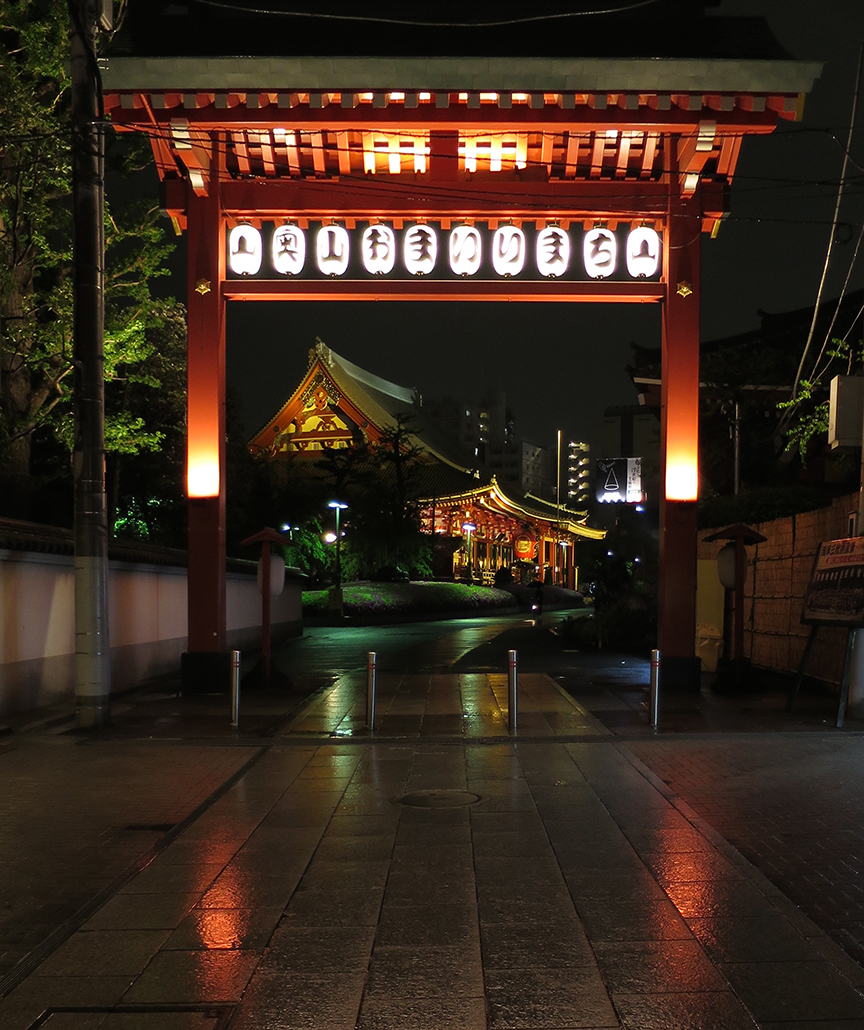
This is one of the neighborhood where you can see old and new side by side, and there are few more famous sights than the pagoda at Senso-ji temple and Skytree.

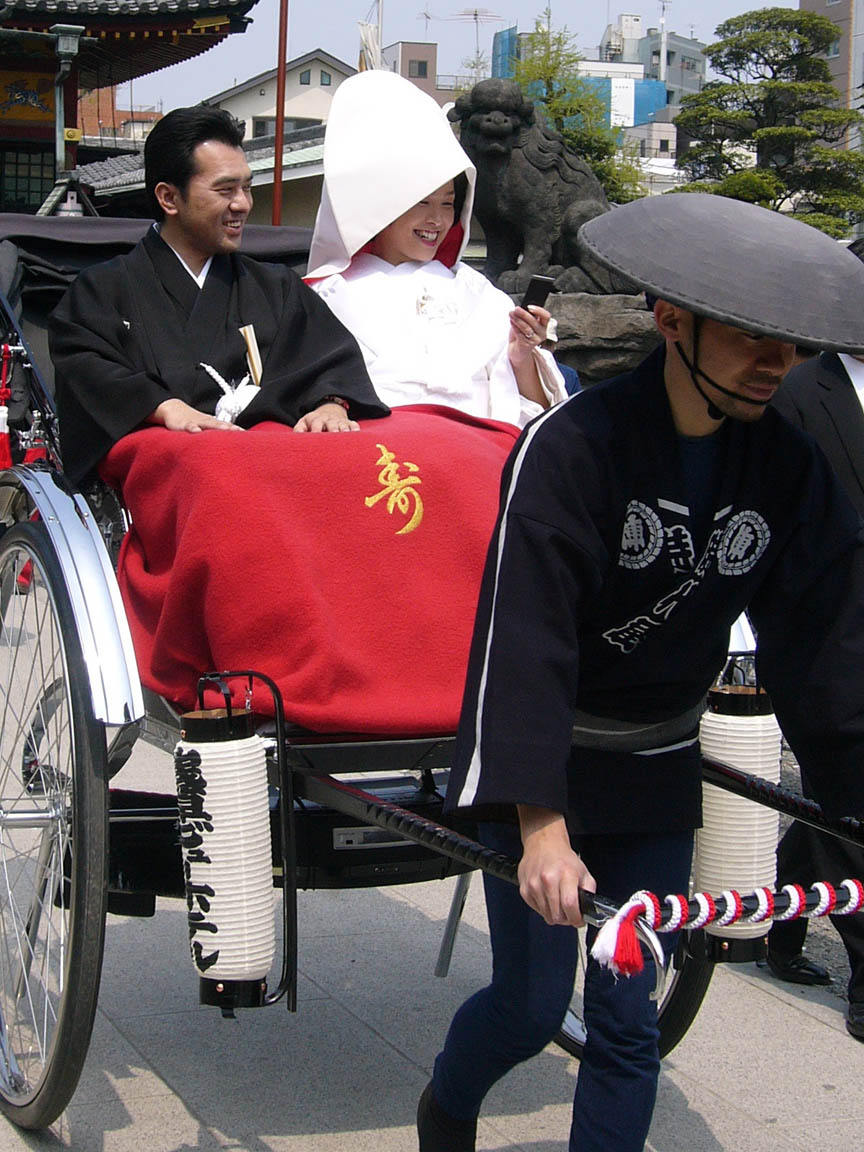
But Sensō-ji temple isn’t the only thing worth seeing in Asakusa! The Asakusa Shrine (to the right of the Sensō-ji main temple building) is a great place to experience Shinto ceremonies and holidays. If you’d like to glimpse a Japanese wedding, they take place most often on Saturdays and Sundays.
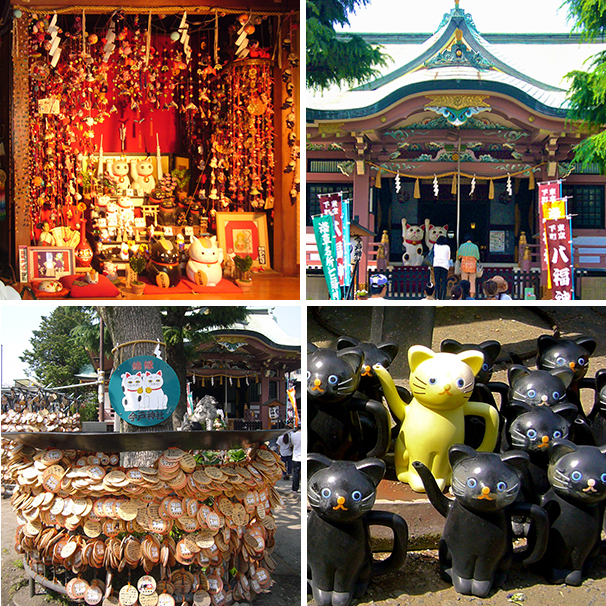
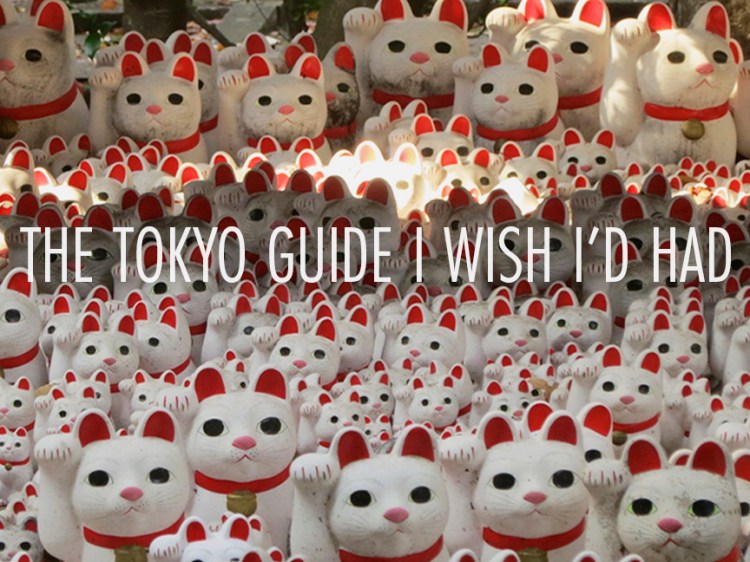
Now let’s head out into the neighborhood and stop in at the Imado Shrine, also known as the Lucky Cat Matchmaking Shrine. This where you go to shriek “kawaii!” at the adorable kitty stuff and pray for gods to send you the perfect Significant Other.
This is also the neighborhood where they make the world’s most beautiful lollipops. The master artist at Ameshin handcrafts each of his animal lollipops using age-old techniques. You can watch him work and browse the lollipops for sale, each more beautiful than the last.

•
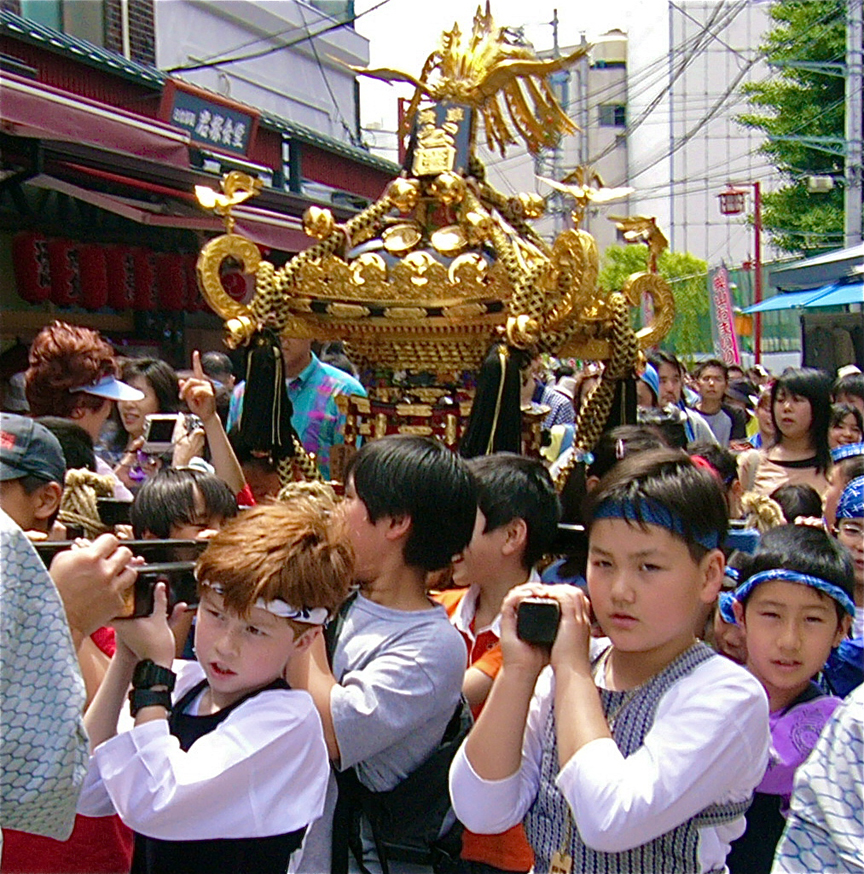
Asakusa is also home to some of Tokyo’s most spectacular traditional festivals, when the o-mikoshi portable shrines are paraded through the streets to remind the gods who they should be smiling upon.
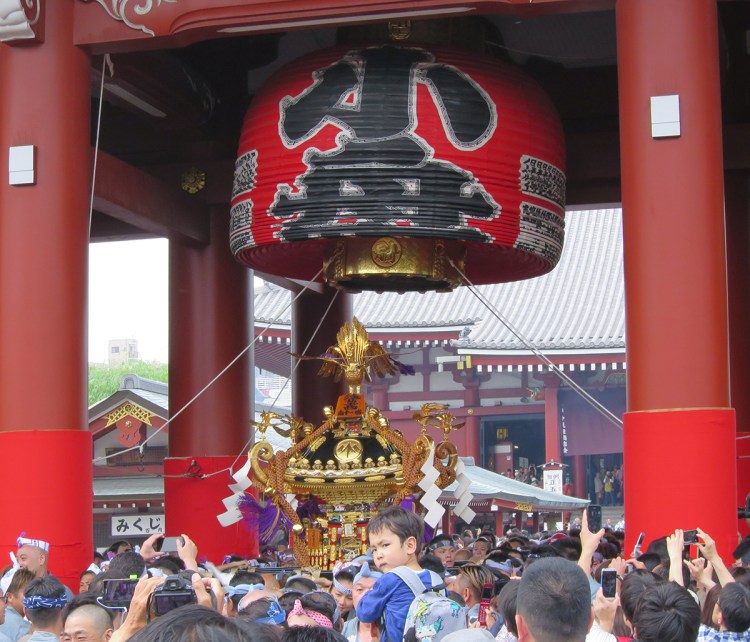
Find out if one is happening while you’re in town here.
Festivals dish up many special outdoor performances, street food booths, and exhibitions of traditional craft making. Asakusa’s Sensō-ji attracts an especially lively variety of traditional jugglers, singers, and storytellers, as well as offering activities like archery booths and carnival-like games of skill. Traditional festival food booths are well-represented: yakitori, oden, yakisoba, and of course, beer and sake.
Monkey trainers and other traditional Japanese entertainers often come to Asakusa festivals.

There’s even a portable shrine for the children to carry through the streets
Here are some especially good times to go to Asakusa (and other large Tokyo temples, like Zojō-ji and Ikegami Honmon-ji)
January
• New Year’s (1/1-3): Many people visit the temple wearing kimono. If we come before midnight on New Year’s Eve, we can watch them ring the temple bell 108 times to bring in the new year.
February
• Setsubun (2/2 or 2/3): Bean-throwing ceremony. Many celebrities come to throw the beans at Senso-ji.
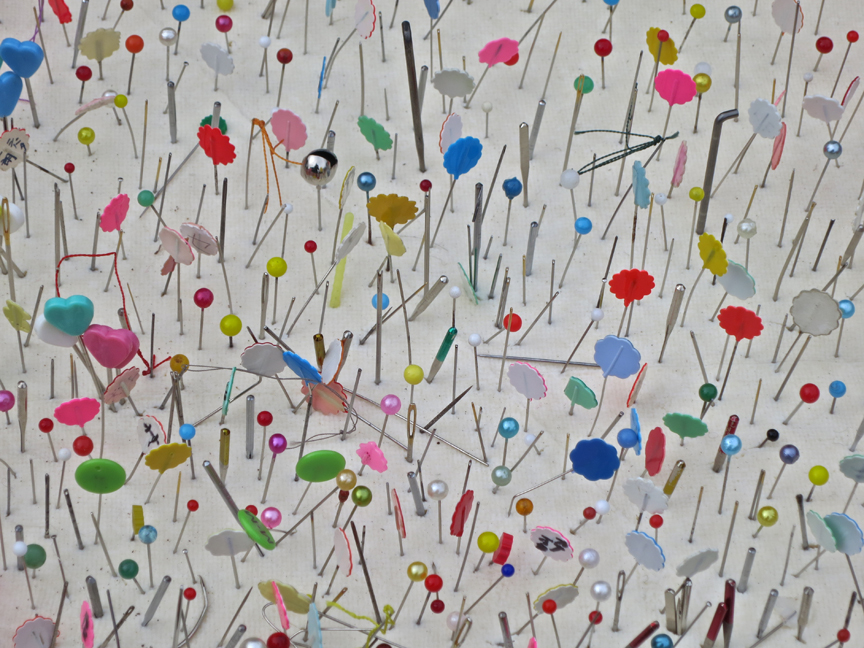
• Hari Kuyo (2/8): Memorial service for used sewing needles. Needles are stuck into a block of tofu to give their spirits a soft place to rest after a lifetime of diligent service.
March
Cherry blossom season turns the walk along the Sumida River into a pink wonderland

April
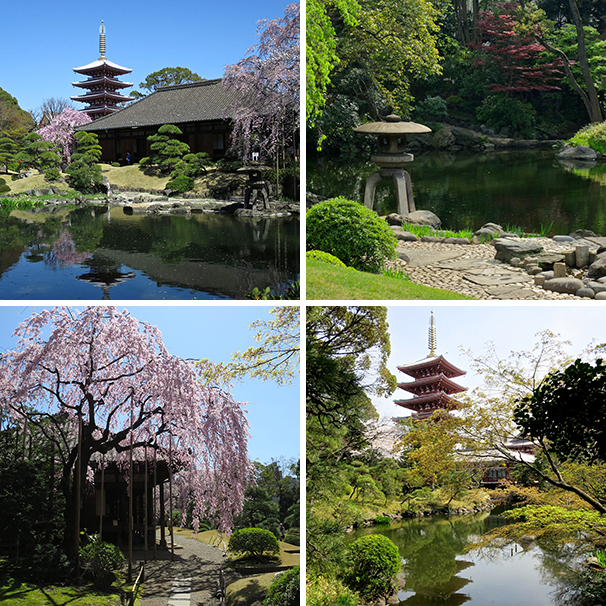
• The hidden garden of Denpo-in is open to the public from the end of March to the second week in May.
• Flower Festival (4/8): Celebrating the birth of Buddha
May
• Bunka Ward Spring Festival: One of the places you can see a yabusame mounted archery competition, in which riders in period costumes shoot at targets from a galloping horse.

The famous Sanja Matsuri is one of the biggest, most raucous festivals in all of Japan. Portable shrines are carried through the streets for hours, and everybody eats and drinks long into the night.
July
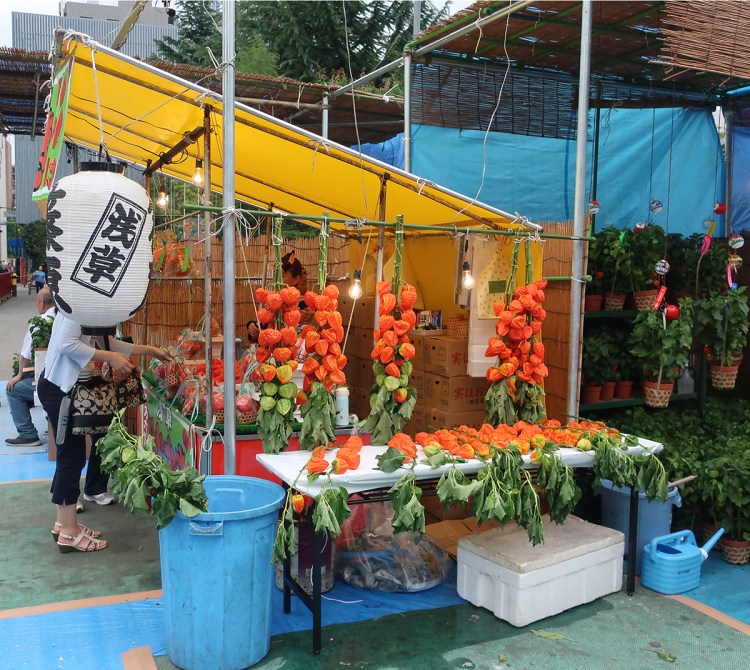
• Ground Cherry Festival: Any excuse for a party! This one is for selling the traditional plants known as hozuki
August
• Bon Odori: Traditional dances take place at night to welcome back the spirits of ancestors.
November
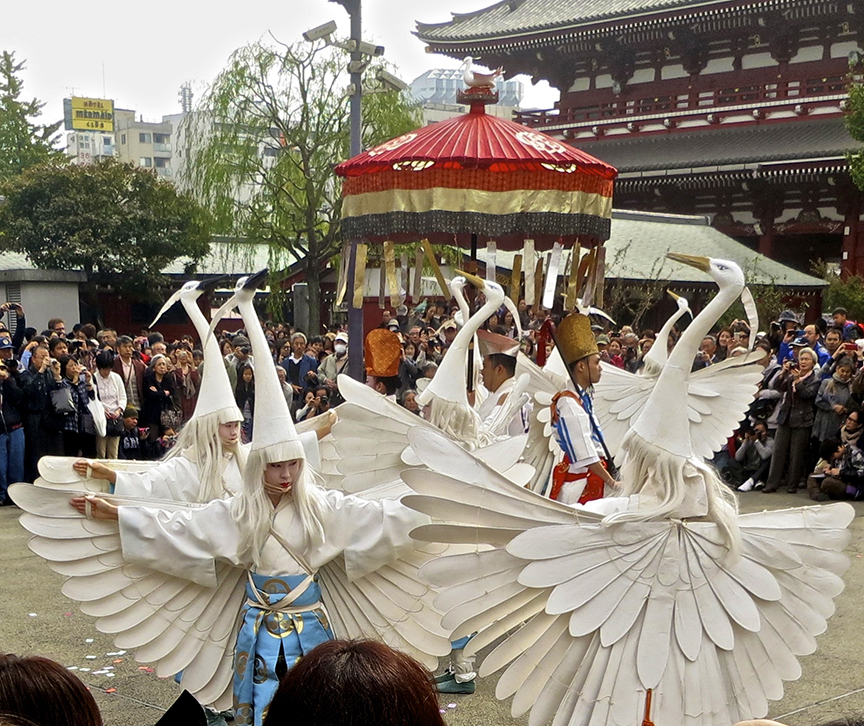
• White Heron Dance: Around the first weekend of November, this spectacular performance takes place in front of Sensō-ji temple
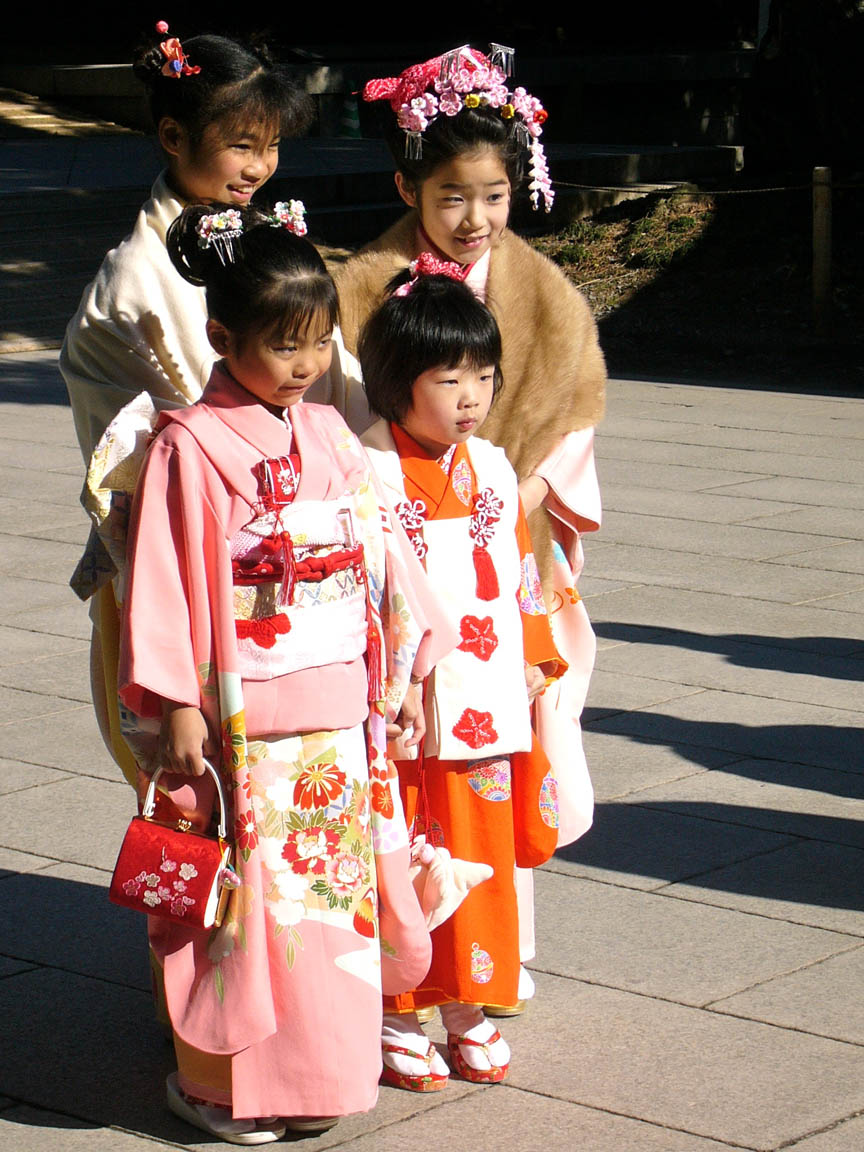
• Shichi-Go-San (11/15): For the “7-5-3” ceremony, families with children at these special ages flock to the temple for pictures, all dressed in their finest kimono. Although the actual day is the 15th, you can see many families visiting the temple in all their finery during the two weeks leading up to the actual day.
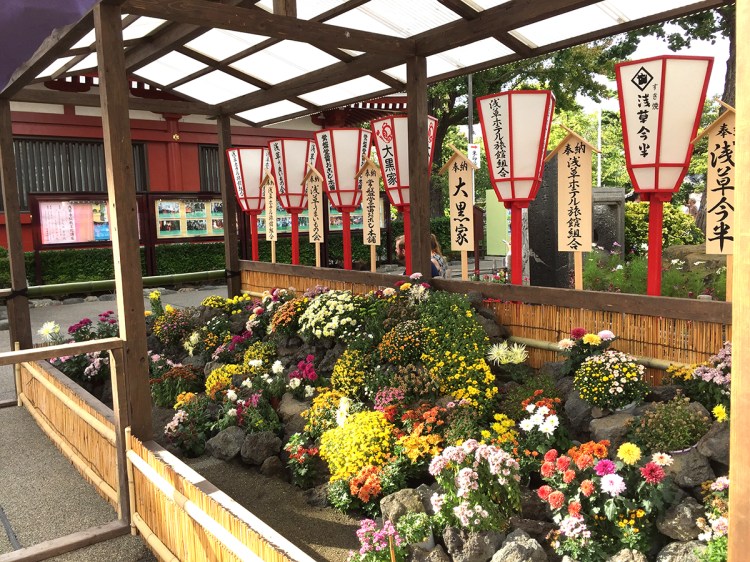
• Chrysanthemum Festival: The Sensō-ji chrysanthemum festival showcases all the usual bonsai and fancy specimen categories
December
• Lucky Rake Festival: Rakes are sold in order to “rake in” money in the new year.
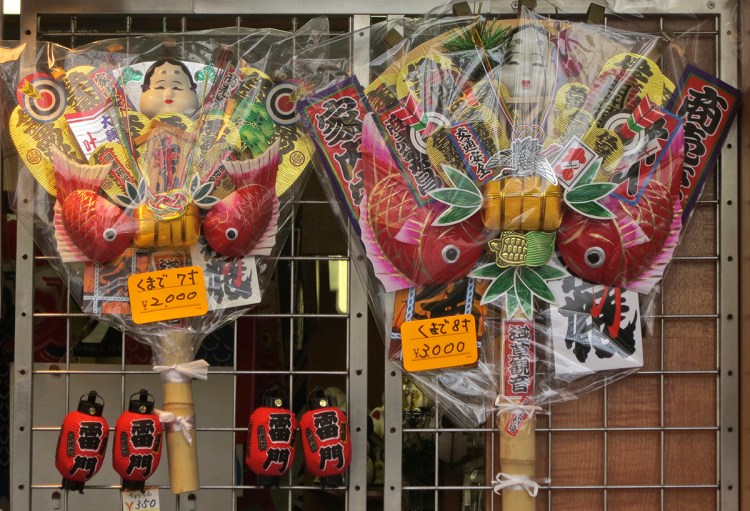
• Battledore Festival (12/17-19): Battledores—fancy decorated stylized badminton-like paddles—are sold for baby girls who have not yet turned one by New Years.
To check the current dates and details of festivals happening while you’re in Tokyo, zip over to Tokyo Cheapo.
Ready to leave Asakusa? Maybe we should ride the water bus! It’s fun to ride down the Sumida River, under many bridges, stopping at the Hama-Rikyu Gardens, Hinode Pier (Hamamatsu-cho Station), and Odaiba. The water bus is a great way to see all the cherry trees in bloom along the river in late March to early April (although the ticket line is long that time of year).

•
If you enjoyed this, subscribe!
Get all the latest Japan travel tips and tricks for free ヽ(*^ω^*)ノ
And here are the other places I take my friends when they come to town
•
Jonelle Patrick writes novels set in Japan, produces the monthly e-magazine Japanagram, and blogs at Only In Japan and The Tokyo Guide I Wish I’d Had
 Jonelle Patrick writes about Japan