If you’re trying to persuade someone who’s balking at eating raw fish to come with you to Japan, here’s some delicious ammo. Contrary to popular opinion, sushi is a special occasion treat, not something Japanese people eat morning, noon and night. These are the foods that the natives have a hard time deciding between when it’s time to pick a restaurant for dinner!
Why you have to choose what you’d like to eat before you choose a restaurant
Restaurants in Japan tend to only serve only one type of cuisine, but do it extremely well. From high-end yakiniku grill-at-the-table restaurants to lowly ramen joints, you’ll find world-class fare at every price point, from insanely expensive to insanely cheap. And all of them are worth seeking out. You may have to extend your trip so you can try everything and still have time to go back for more!
(Vegetarians and vegans, find restaurants that respect your eating choices at Happycow.net, a Yelp-like rating service for vegetarian and vegan restaurants in Japan. If you have allergies or dietary restrictions—here’s how to navigate those challenges safely and still eat well in Japan!)
All of the foods below are made from ingredients that are thoroughly cooked and comfortably familiar to westerners:
Yakitori
Chicken and vegetables
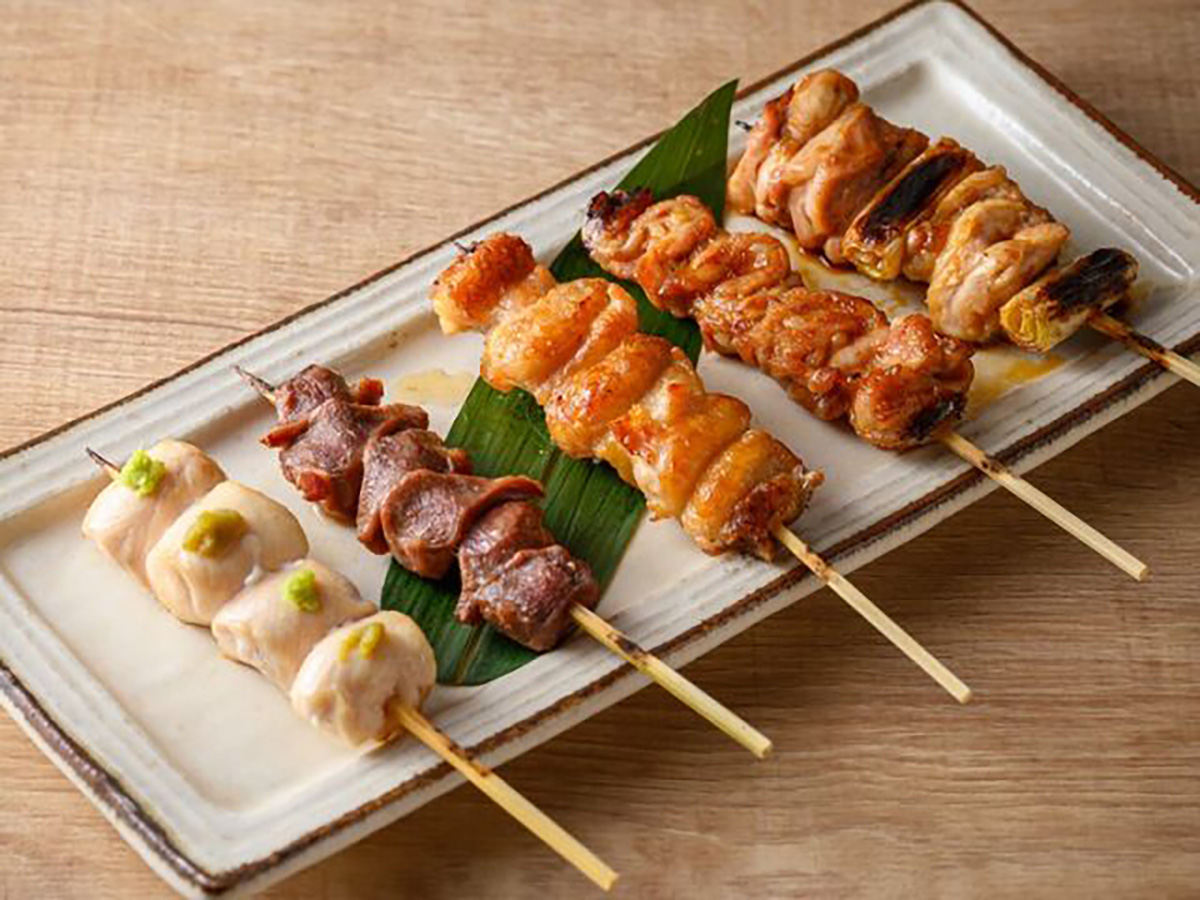
What it is: Bite-sized pieces of chicken grilled on skewers with either plain salt or Japanese barbecue sauce (a sweet-salty Japanese soy sauce-based concoction, usually made with the restaurant’s secret recipe)
What the experience is like: You order by the skewer from a long list of chicken parts,* some with vegetables, some without, so nobody has to eat anything that squicks them out. Some restaurants allow you to choose whether you’d like salt or sauce, some don’t. Seating at serious yakitori restaurants is usually counter style and grillside (so the price of being right there while they make the food is that it can be a little smoky). Many restaurants offer a menu of side dishes that include appetizers, salads and vegetable-only skewers.
*There are plenty of safe choices, including chicken breast, thigh, wings and chicken meatballs. But yakitori restaurants do not waste any part of the bird, so more adventurous eaters may want to sample the ways they make the skin, tail, organ meats and cartilage something people pay good money to seek out.
Kushiyaki
Chicken, beef, pork, egg, seafood and vegetables
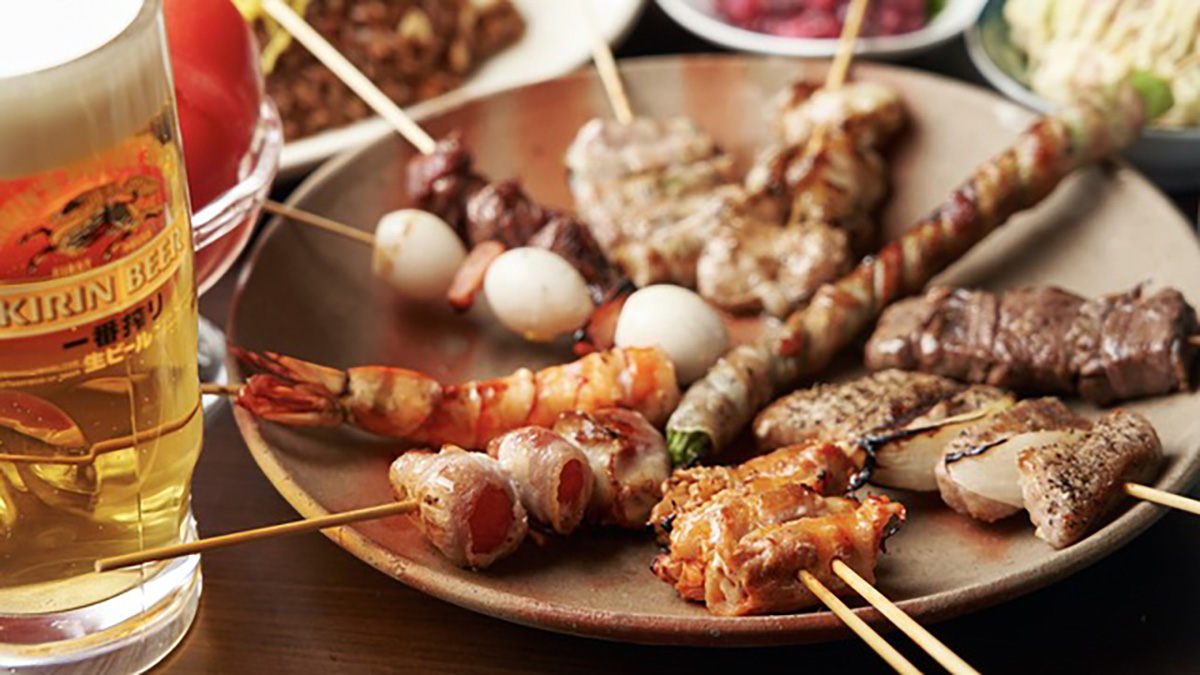
What it is: Grilled skewers with either salt or sauce—exactly like yakitori, but kushiyaki includes choices of meat beyond chicken.
What the experience is like: Ordering may be a la carte by the skewer or in set courses with a variety of items. Kushiyaki restaurants are not as numerous or as famous as yakitori restaurants, but good ones are always worth seeking out if you prefer a more varied skewer experience.
Tempura
Seafood and vegetables
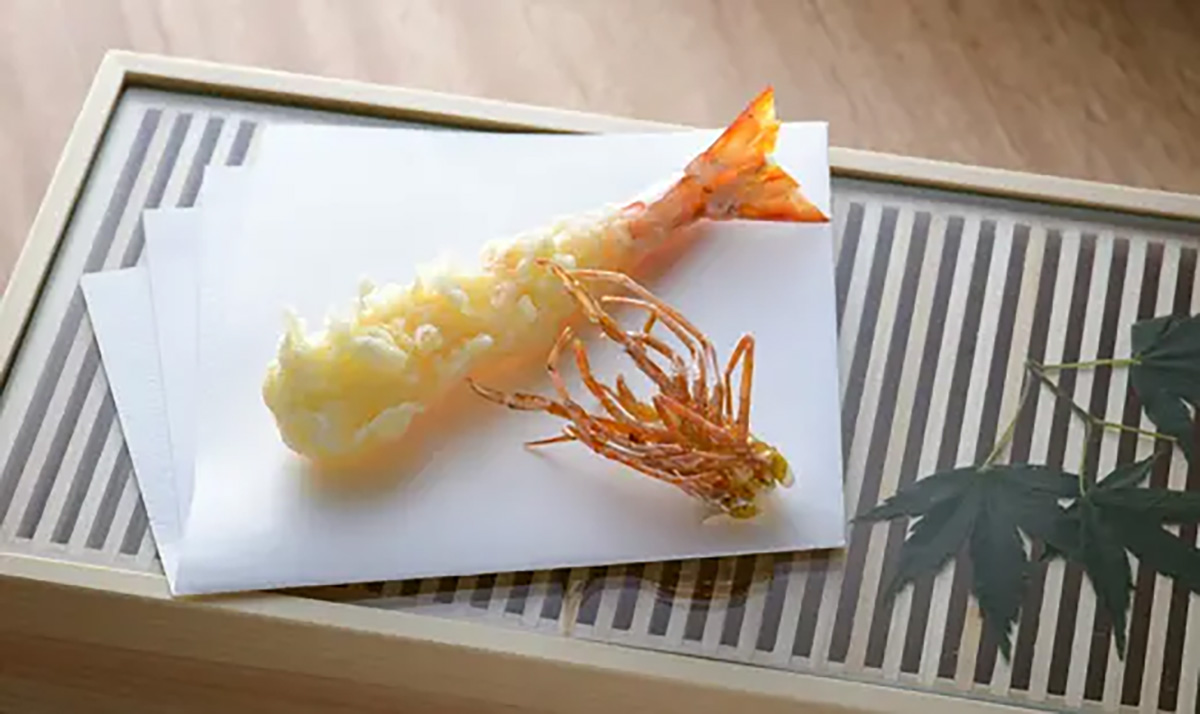
What it is: Many small courses of fish, shellfish, and vegetables, dipped in a light batter and deep fried
What the experience is like: The way tempura is made and served at a serious tempura restaurant is very different from the tempura you may have eaten on top of a bowl of noodles or rice. The batter is light and expertly fried, so it’s not greasy. Most tempura restaurants offer a set progression of seasonal foods, and you choose the number of courses to suit your appetite. This experience is all about eating the freshest of the fresh foods that are in season right this moment—they’re all prepared in the same way with the same light batter, allowing the quality and unique flavor of each ingredient to really shine. The courses may include everything from fish/shellfish to quail eggs to vegetables, served one by one, freshly fried by the chef. You can choose to dip your tempura into various flavored salts or a bowl of tempura sauce. Seating is usually at a counter, where you can watch the chef prepare each course and he can keep an eye on your progress and provide the next delicious bite as soon as you’re ready.
Curry rice
Beef, chicken or seafood and vegetables
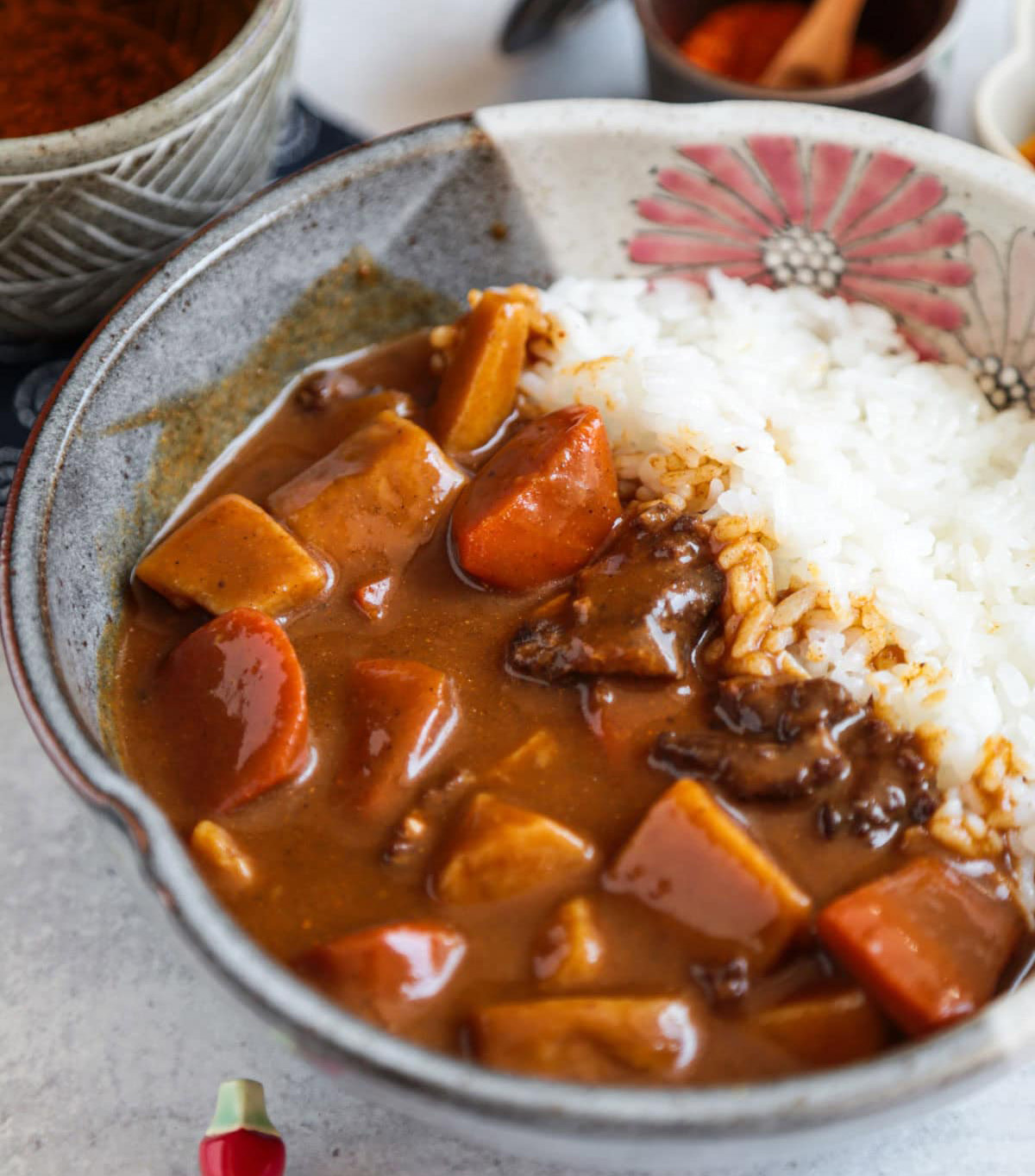
What it is: Uniquely Japanese-flavored curry, served over rice.
What the experience is like: This is one of the gourmet experiences that’s cheap, plentiful, and casual. Like ramen, curry rice started out as an exotic foreign food that became uniquely Japanese, and its preparation has been raised to a high art. It tastes distinctively different from its Indian and Thai cousins, but is equally delicious. Various vegetables such as carrots, potatoes, onion, mushrooms or eggplant may be added to the curry.
Shabu-shabu
Beef or pork and vegetables
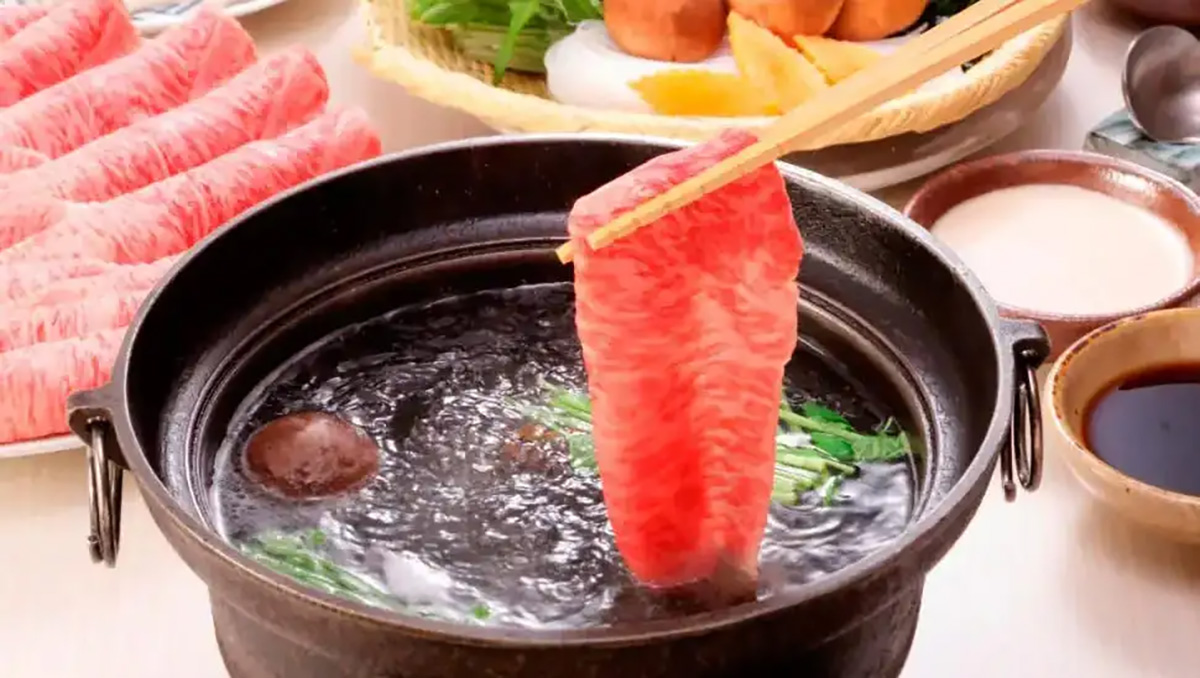
What it is: Bite-sized vegetables and extremely thin-sliced meat you cook yourself in a shared pot of boiling water in the middle of the table. As the ingredients cook, everyone plucks the cooked bites they like from the pot and dips them into a personal array of sauces.
What the experience is like: Cooking at the table is always a cheerful and convivial way to share a meal, and being able to choose your favorite foods from the pot and whether to dip them in your dish of thin soy-based sauce or thicker sesame sauce is a fantastic and healthy way to accommodate picky eaters as well as adventurous ones. Typical items that are added to the pot to cook alongside the meat include mushrooms, carrots, leafy greens, tofu, and (at the end) noodles.
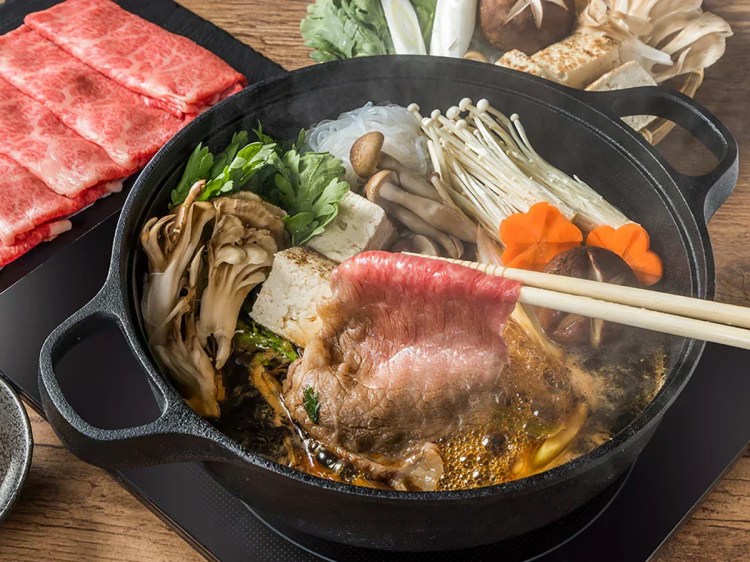
Sukiyaki
Beef or pork and vegetables
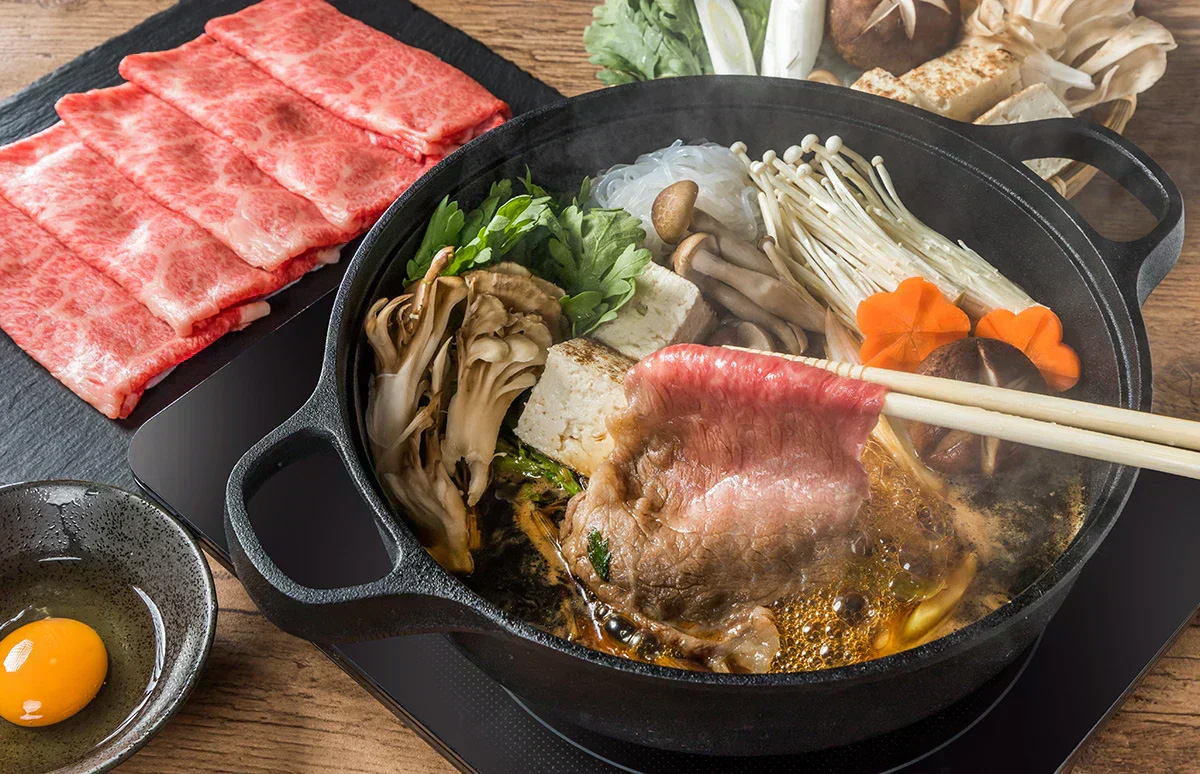
What it is: Vegetables, tofu, and thin-sliced beef or pork you cook at the table in a shared pot of intensely savory soy-based sauce
What the experience is like: Cooking your own meat in a shared pot brings people together, while allowing everyone to eat only what they enjoy. Mushrooms, leafy greens, and grilled tofu are cooked and eaten along with the meat, then noodles are added to the rest of the sauce at the end for a filling and delicious finish. (A small bowl of raw egg is typically set by each place to scramble with chopsticks and dip the hot meat into before eating, but if that doesn’t appeal, you can ignore it. If your only reason for not trying this is fear of raw egg-borne disease, though, you should know that Japanese eggs are processed differently than eggs in the West and raw eggs are safe to eat in Japan.)
Tonkatsu
Pork and cabbage
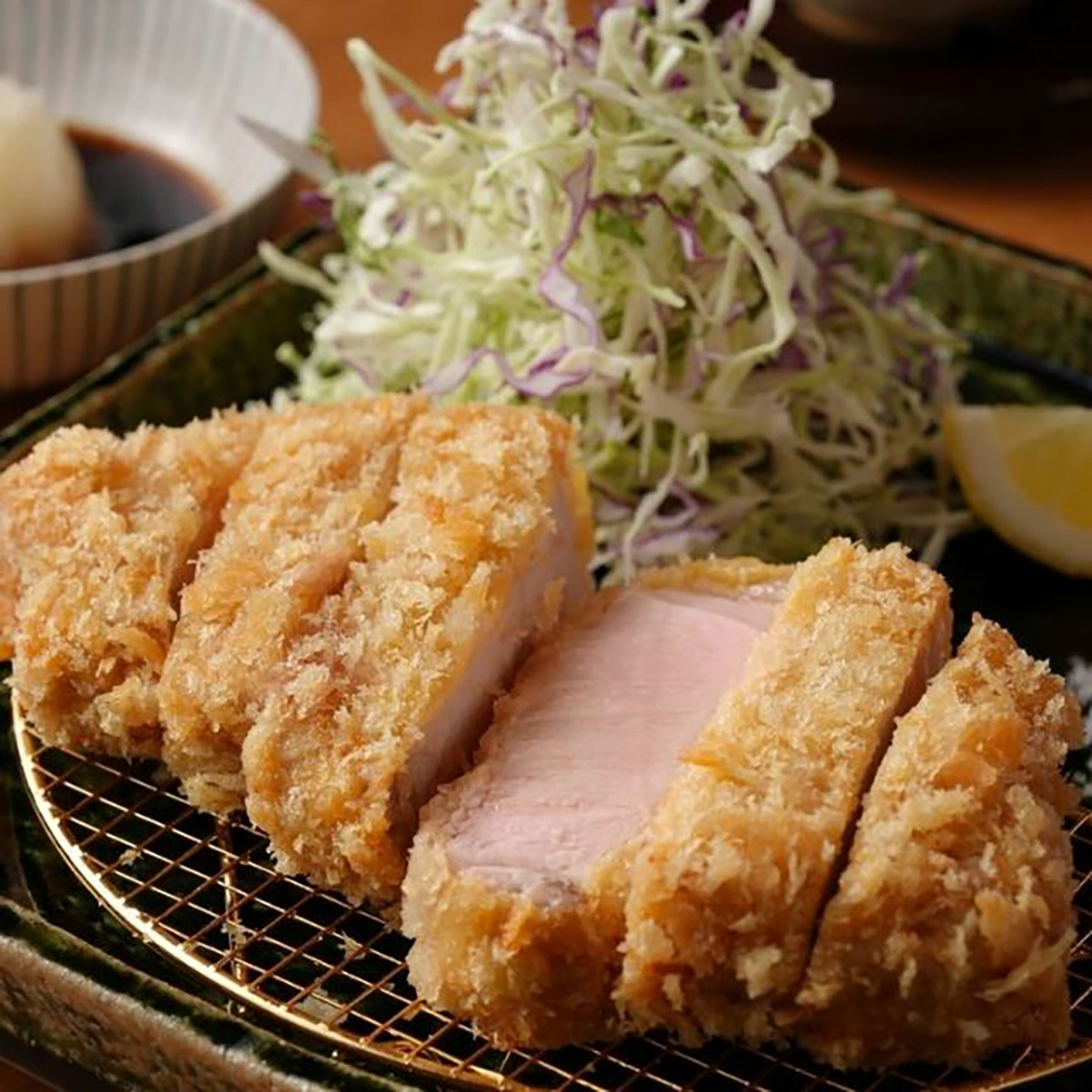
What it is: A breaded, fried pork cutlet served on a bed of cabbage with a drizzle of sweet & sour sauce.
What the experience is like: Tonkatsu is traditionally a casual food, cheap and filling, but some tonkatsu restaurants have elevated the humble pork cutlet by using only the finest and tenderest cuts of pork, wrapping them in herbs and cheese before breading, then frying them to exquisite crispness. A traditional tonkatsu restaurant serves up their specialty on a bed of shredded cabbage, but these new restaurants offer multi-course meals deconstructing the concept of tonkatsu, many of which will surprise and delight even the most Japanese-suspicious traveler.
Yakiniku
Beef and vegetables
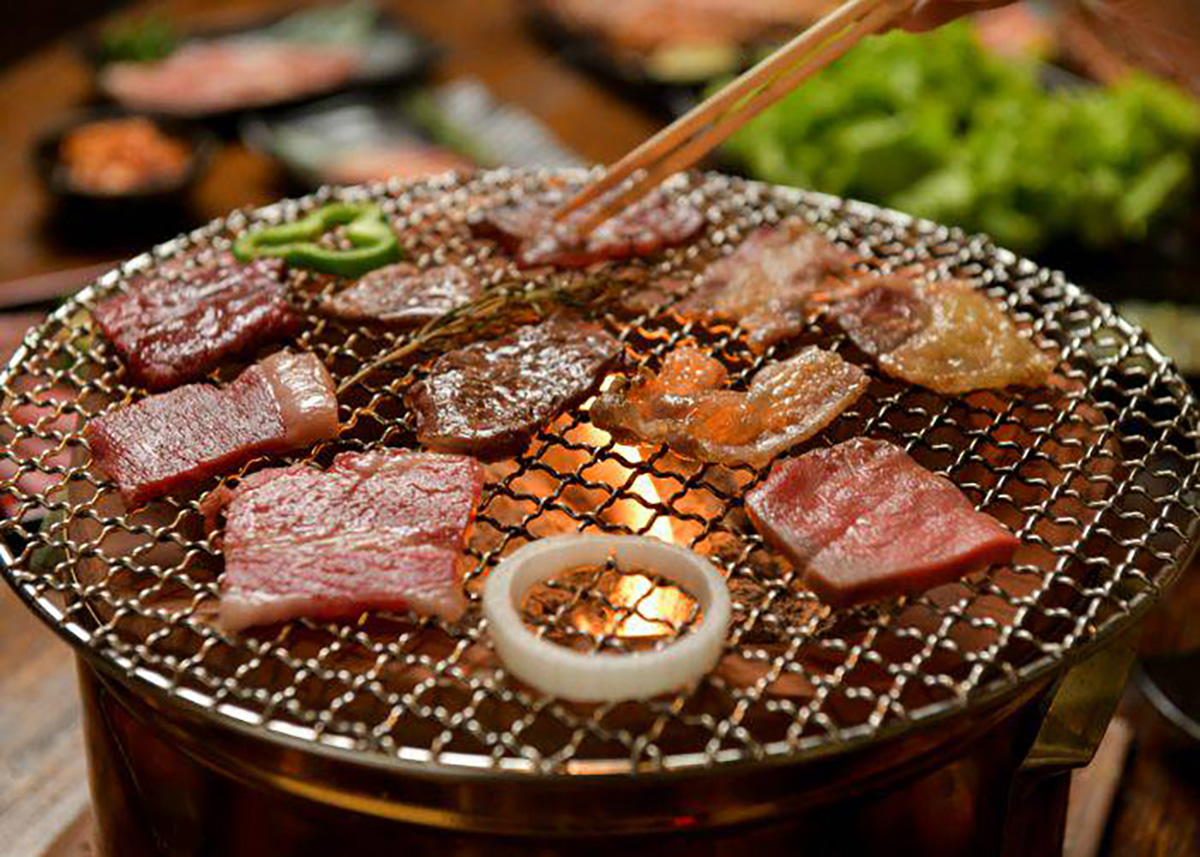
What it is: Plates of thin-sliced (and sometimes marinated) meats and vegetables you grill yourself at the table, then dip into a sauce.
What the experience is like: Yakiniku is often called “Korean barbecue” because the sauce and marinated meats are garlic-forward (not a Japanese staple), but it’s a cuisine that has become as Japanese as sushi. Grilling at the table is a great bonding experience, and because each person grills and tends their own meat, it allows those with differing tastes and levels of hunger to happily eat together. The plates of various cuts of meat and condiments (like lettuce wraps and miso paste) are ordered a la carte, and while the menu does offer parts of cow that will challenge the more adventuresome eater, the marinated “kalbi” ribs, ribeye, and wagyu are all comfortingly familiar beef cuts.
Teppanyaki
Beef and vegetables
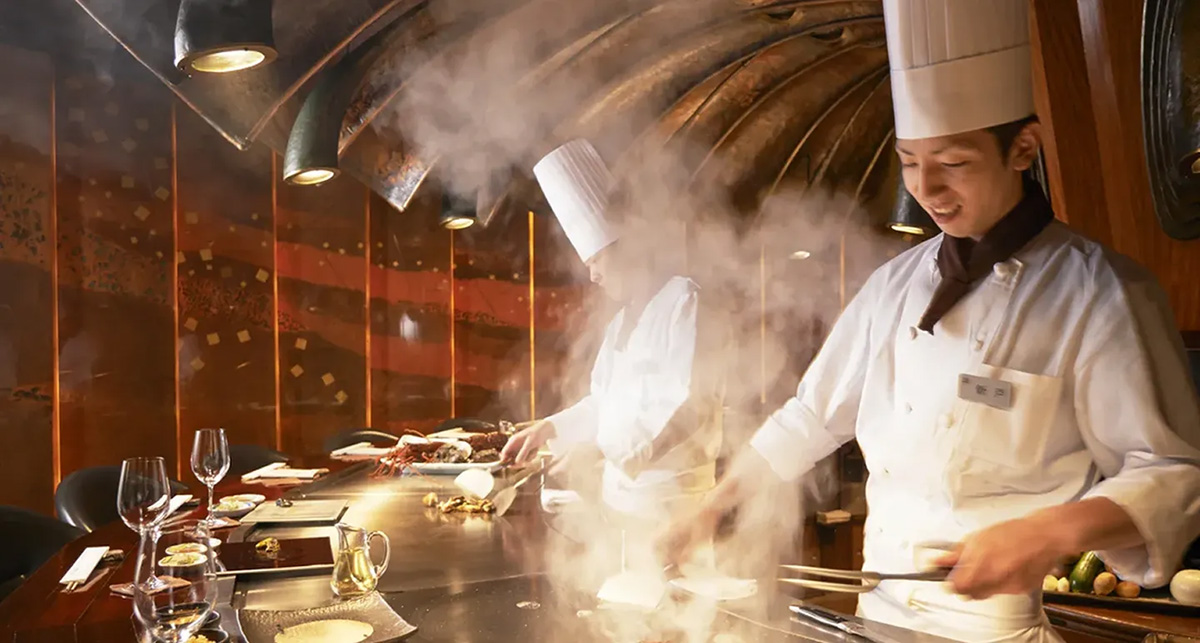
What it is: A fancy restaurant multi-course meal cooked and served at your table by a dedicated chef
What the experience is like: This is a high-end restaurant version of having your own private chef. There is usually a choice of set menus with various courses, and each course is prepared in front of you with great skill, the meat cooked to perfection. The courses tend to be made from luxury ingredients (wagyu steak, for example) and be priced accordingly. (One of the small courses is usually sashimi, which should be passed to a raw fish lover, as the kitchen is not set up to leave it out or substitute a cooked dish.)
Unagi
Eel
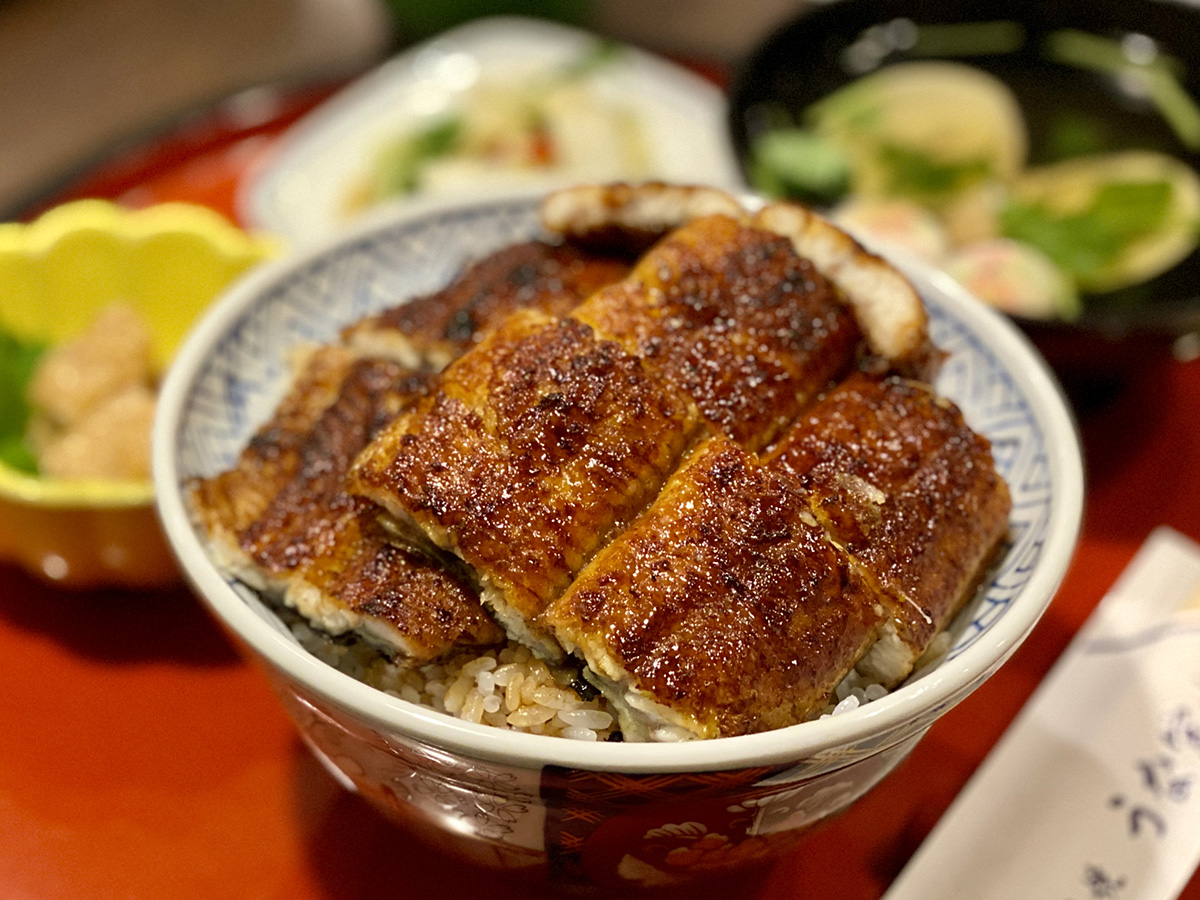
What it is: Fillets of barbecued freshwater eel served in a lacquered box, over rice. The sauce is sweet and salty (soy sauce-based) and usually made with the restaurant’s secret recipe. It generally comes in a set that includes a bowl of clear soup that also features a eel.
What the experience is like: Despite its rather off-putting appearance when alive, eel fillets are fine-grained and tender, and taste like the most delicate of freshwater fish. It’s served as a bento box-style meal, and is surprisingly expensive because not only are freshwater eels becoming scarce (thus driving up the price), eel is poisonous unless cooked properly, so it requires special training and certification to serve it. (This is why you’ll never see eel offered as sushi or sashimi.)
Fugu
Poisonous blowfish
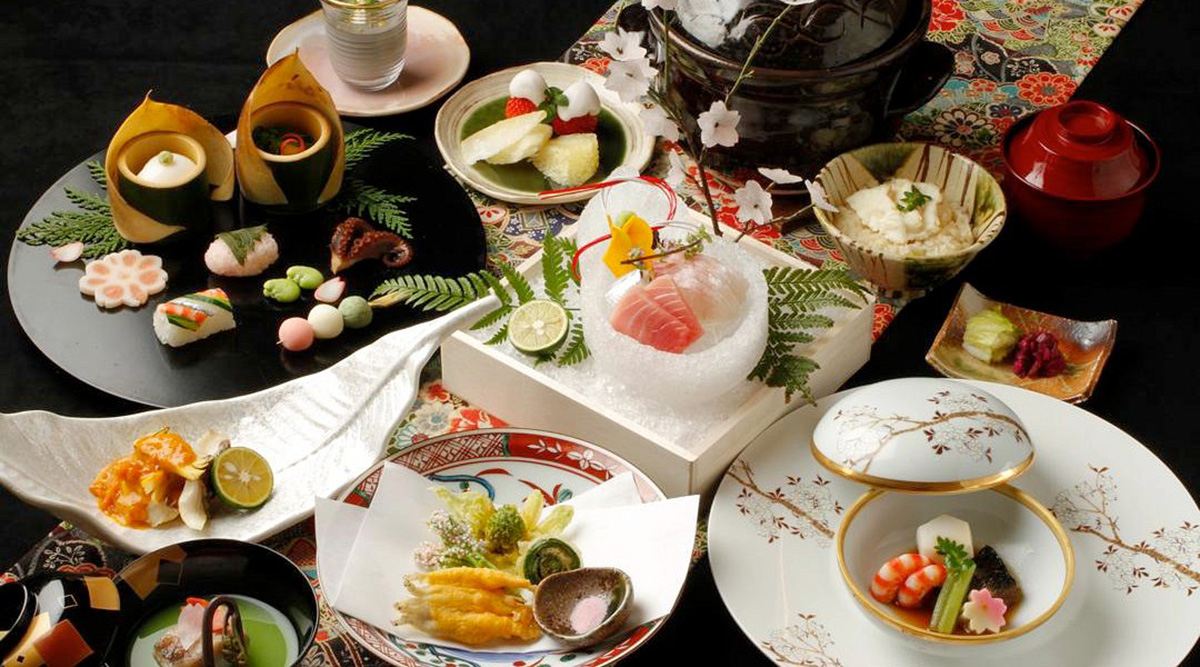
What it is: A multi-course meal that features various courses made from the famously poisonous blowfish.
What the experience is like: This is a multi-course meal designed along the lines of gourmet kaiseki feasts. Every small dish features fugu prepared in a different way, which may include fried, steamed, grilled and raw (the set courses nearly always include a raw sashimi course, which should be quietly passed to a sushi-lover to eat, as the kitchen is not set up to allow the restaurant to leave it out or make substitutions). Because preparing the poisonous fish requires special training and certification, this is an expensive meal, but Japan is the only place in the world that serves it, so it’s worth it if you want this particular experience of living dangerously.
Oden
Eggs, tofu, fish paste, hot dogs
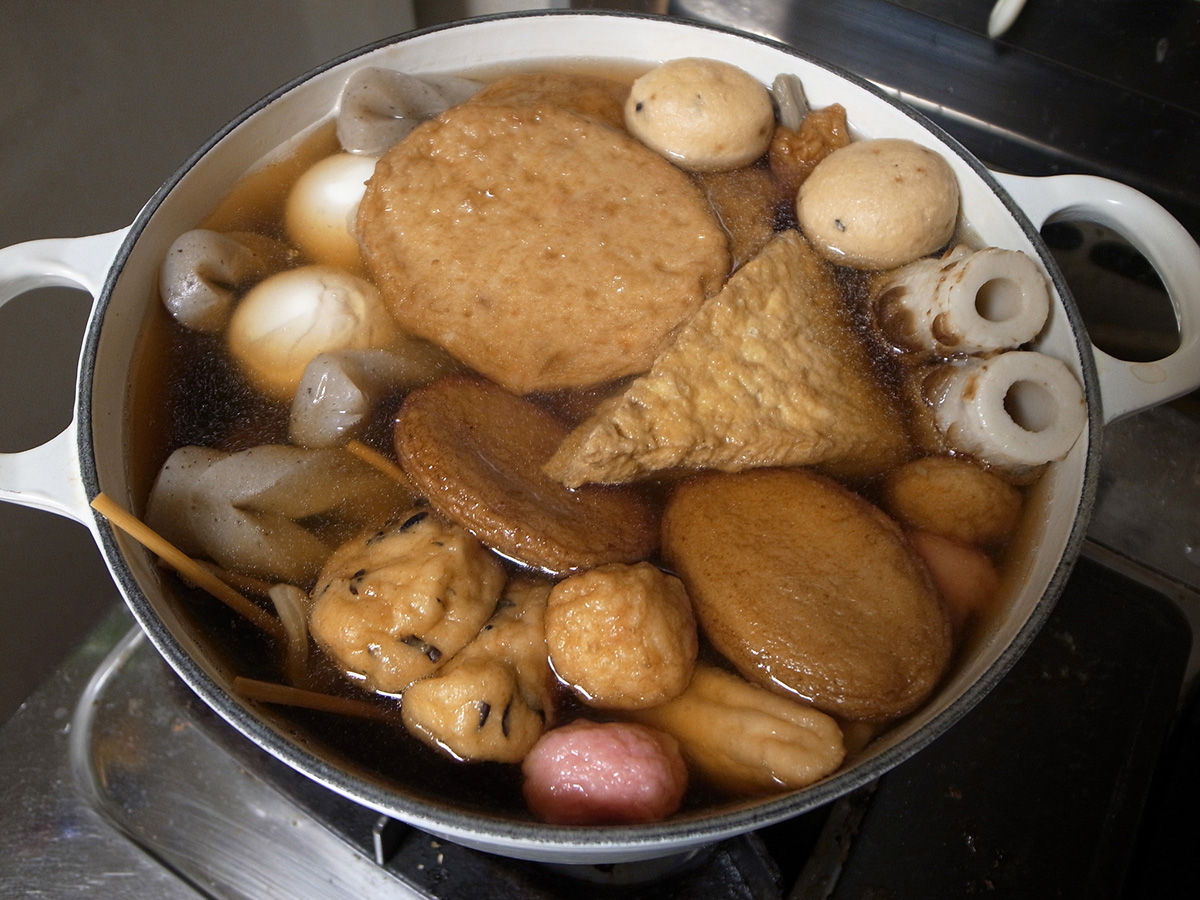
What it is: A traditional winter street food, oden is a hotpot of plain white ingredients, skewered and simmered in smoked bonito (fish) broth. The skewered items are sold a la carte, and may include rounds of daikon radish, tofu, hot dogs, hardboiled eggs, and fish paste fashioned into tubes or lollipop shapes.
What the experience is like: While there are restaurants that serve oden (as well as it being a popular convenience store takeout food), the most traditional way to eat it is from outdoor carts with their distinctive fluttering curtains surrounding several stools at a counter ringing the central hotpot. Each diner orders skewers until they are full, then pays and gives up their seat to the next in line.
Okonomiyaki/monjayaki
Eggs with added seafood, pork or cheese
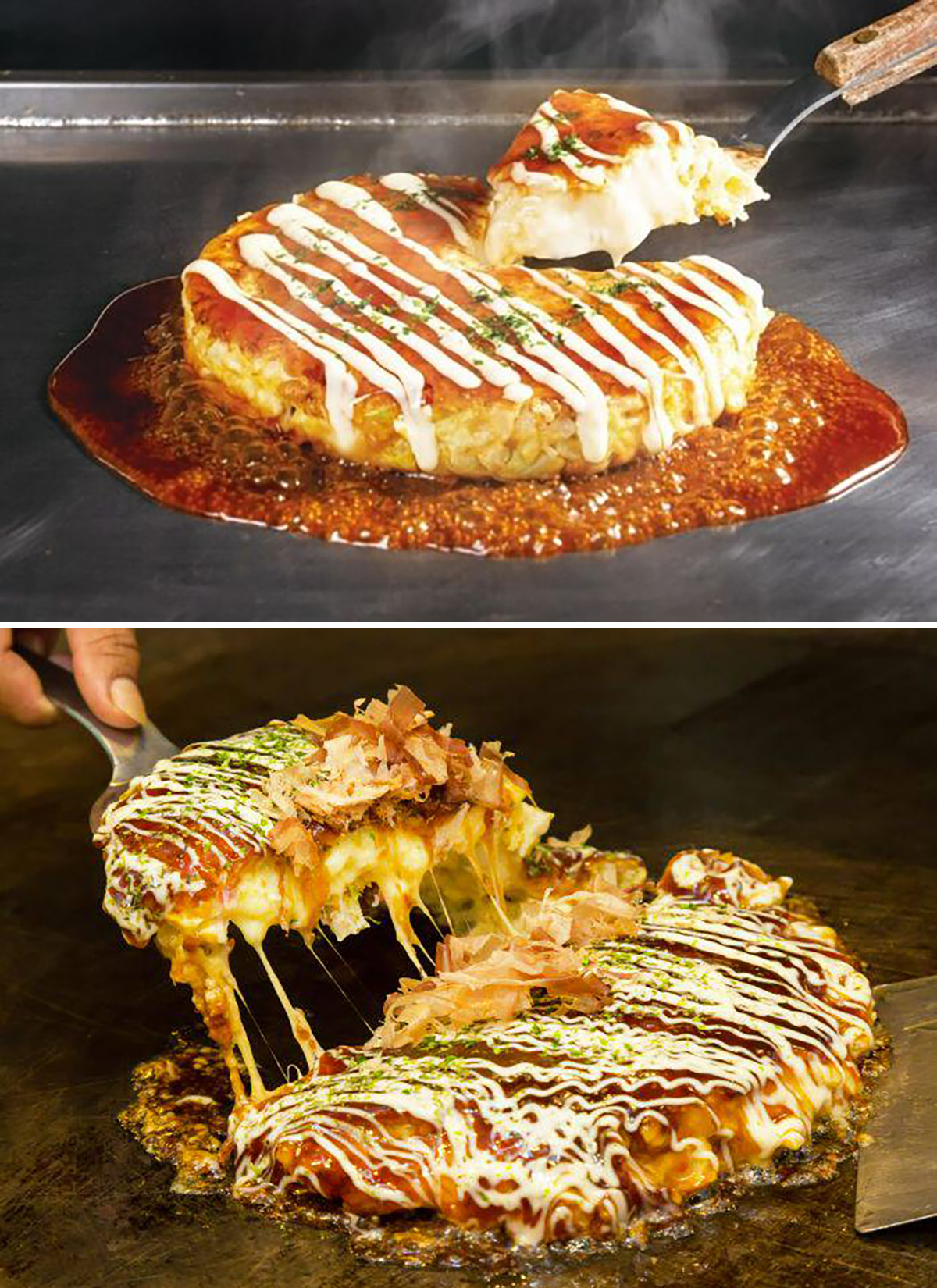
What it is: These are eggy pancakes made with shaved, smoked, bonito flakes, green onions, cabbage, ginger pickles, and additional seafood, pork or cheese added to order, topped with a drizzle of mayonnaise. The difference between them is in how they’re cooked: all the ingredients are added to the okonomiyaki batter before cooking, while the ingredients in monjayaki are grilled first, and the batter poured over them after they’re cooked. Okonomiyaki is firmer and more pancake-like; monjayaki is a looser, softer, more omelet-like dish with the texture of very soft scrambled eggs.
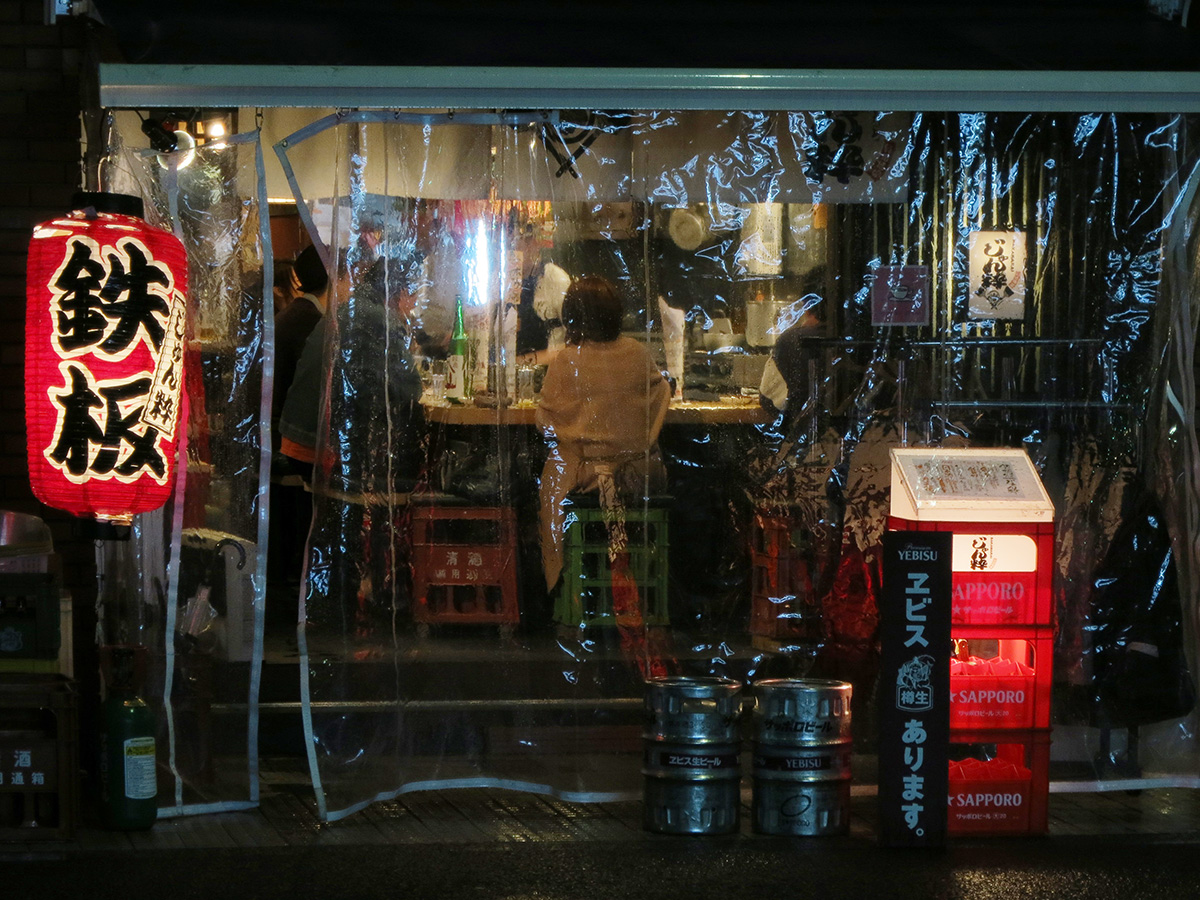
What the experience is like: Eating at a okonomiyaki or monjayaki restaurant is a lively experience because the giant pancake is often cooked at the table in front of the diners by restaurant staff, then cut up and shared out among the group.
Ramen
Noodles with pork, egg, and vegetables
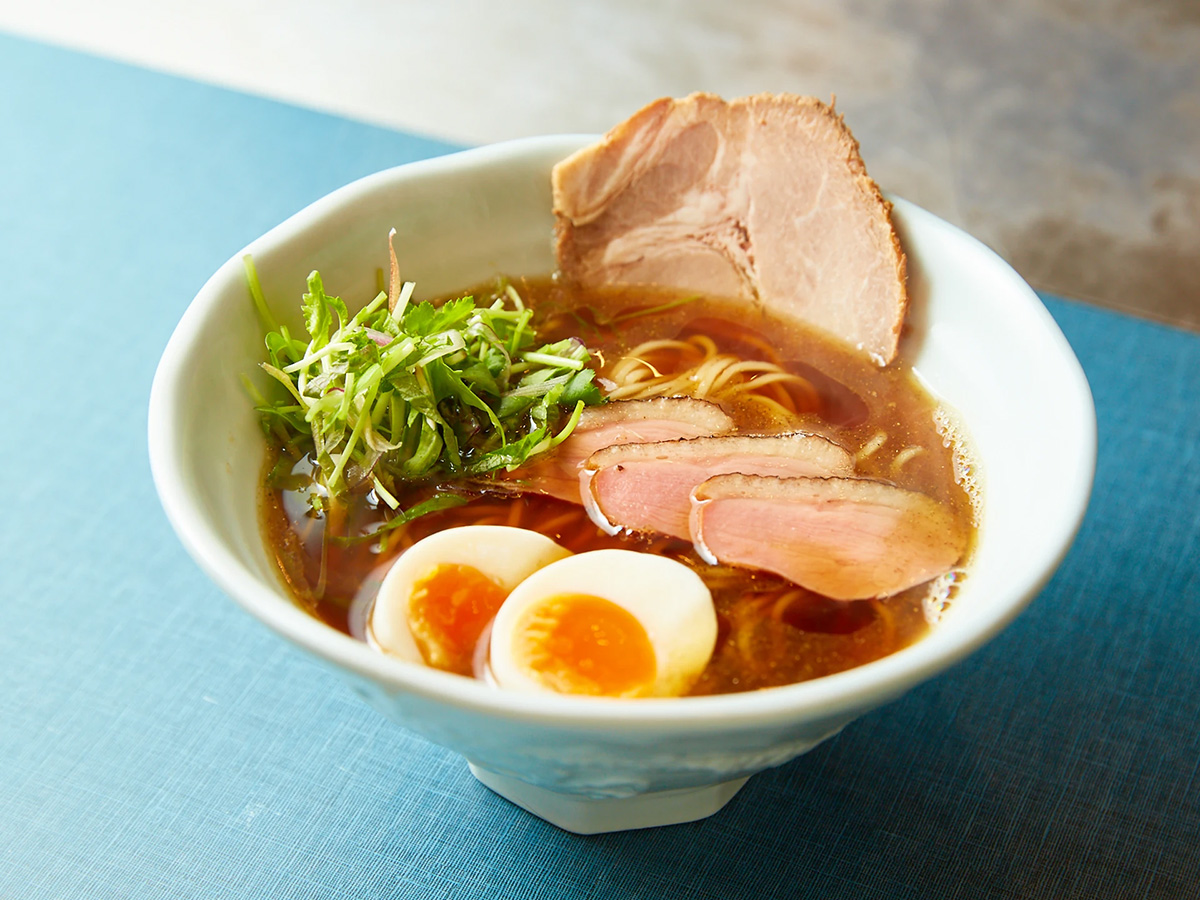
What it is: Originally from China, ramen is a hearty soup featuring thin, wheat flour noodles in pork broth, usually garnished with slices of pork, egg, and vegetables. There are as many variations on this popular soup as there are ramen restaurants—most based on highly proprietary secret broth recipes—but unless specifically called out otherwise, the meat in both the broth and soup is pork.
What the experience is like: Ramen is traditionally a cheap fast food, served to single diners at a counter ringing the chef. While expensive gourmet versions are popping up as it gains worldwide fans, a traditional ramen restaurant expects diners to sit, eat as soon as their soup is served, and leave their seat promptly when finished for the next in line to take their place.
Soba
Buckwheat noodles with seafood or duck and vegetables
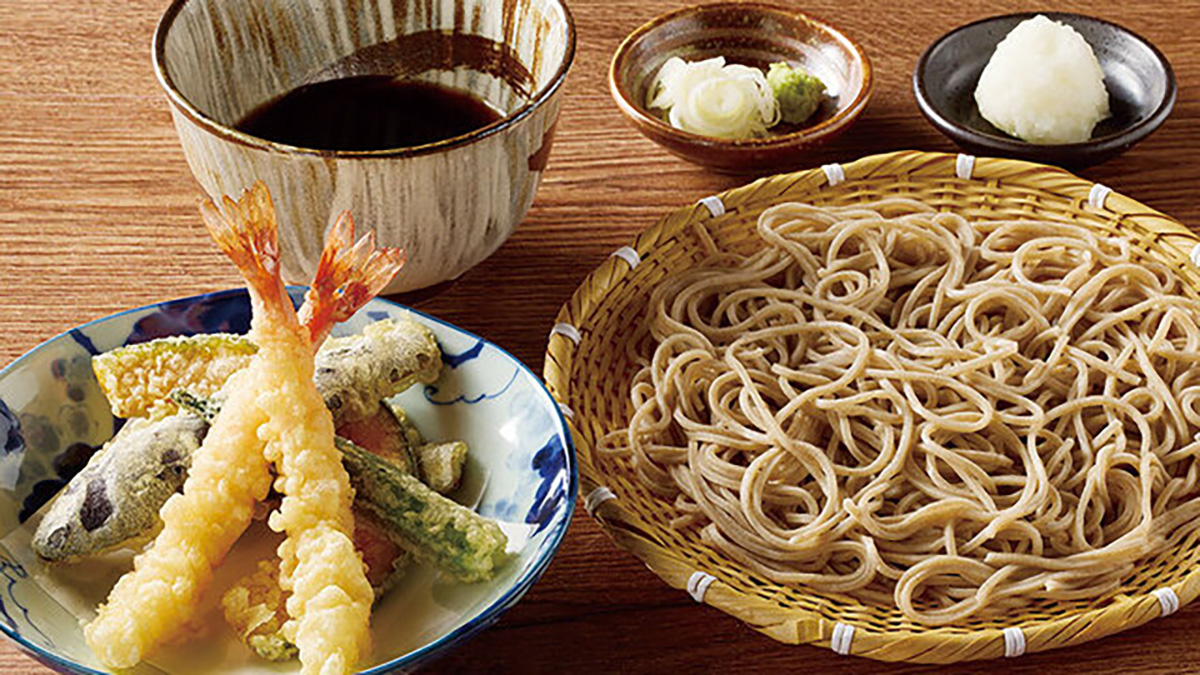
What it is: The most Japanese of noodles are thin and made from brown buckwheat flour, salt and water, so they’re devilishly difficult to make. Served either cold with a dipping sauce or hot in soup broth, the best soba restaurants specialize in tezukuri (handmade) noodles, with differing percentages of buckwheat flour. 100% buckwheat noodles are drier and more breakable; 60-80% are chewier and more flexible, making them easier to eat (the buckwheat is mixed with various other flours like wheat or konnyaku, depending on the restaurant).
What the experience is like: Cold soba is served on a tray with a soy-based dipping sauce to which you can mix in wasabi and green onions; hot soba is served as a soup in broth. The broth can be either smoked, dried bonito-based or duck broth. Both hot and cold noodles are available with various vegetables, toppings or tempura. Sometimes the cold version can be ordered with a sesame or walnut dipping sauce instead of the regular soy sauce-based dip.
Udon
Wheat noodles with egg, seafood or duck and vegetables
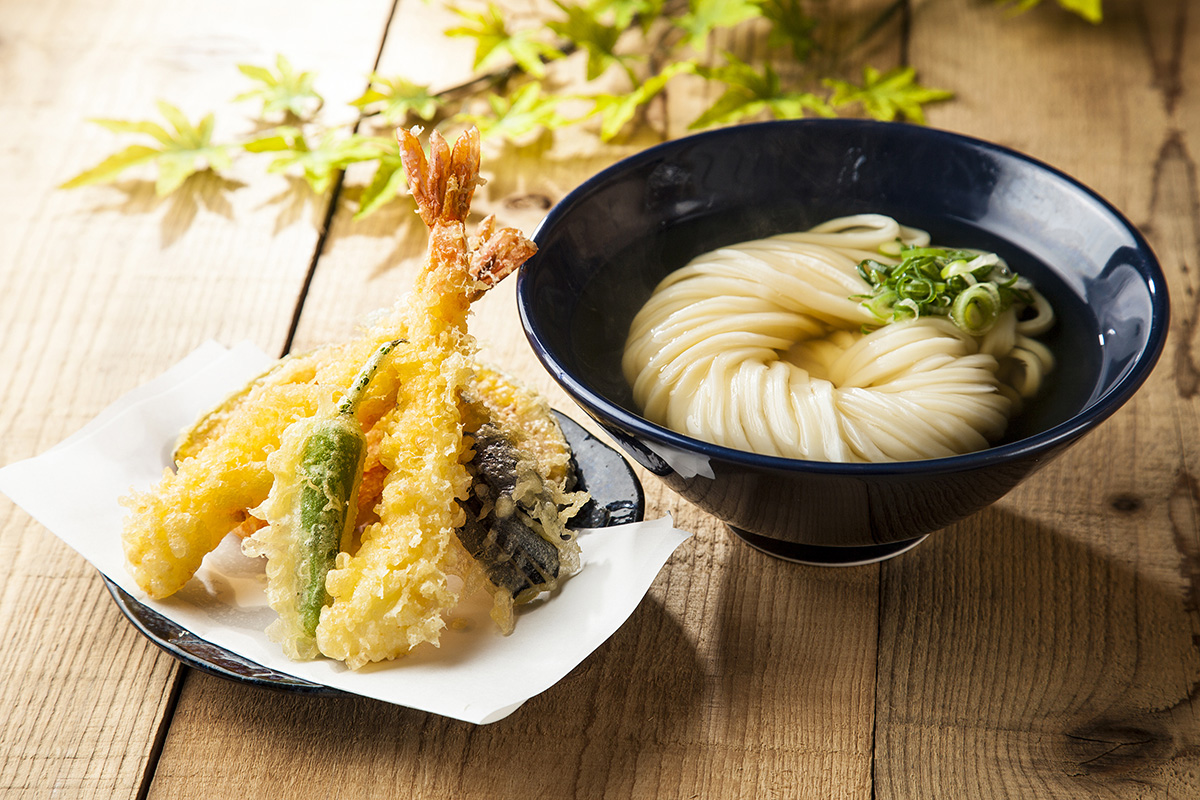
What it is: Thick white wheat noodles, usually eaten hot but can also be ordered cold, just like soba. Udon specialties include curry udon (served in a thick curry-flavored broth), bukkake udon, a simple dish of noodles in broth with spices topped with a poached egg, and sanuki udon served in a thickened slippery broth.
What the experience is like: Traditionally a cheap, fast food, the higher-end udon eateries are similar to soba restaurants, with sets that include several side dishes.
And where do you eat when some of your group wants to eat only Japanese food while in Japan, but others are yearning for a taste of home…?
Izakaya
Main ingredients: Anything and everything
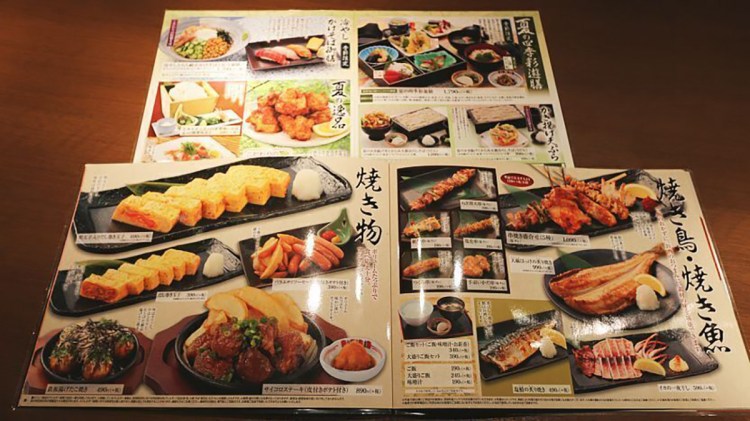
What it is: A restaurant-bar that serves a wide assortment of small plates to consume with beverages.
What the experience is like: Izakaya (ee-ZAH-ka-ya) restaurants are popular with travelers (especially travelers with children) for three reasons: there’s an izakaya for every budget (from quick & basic to gourmet), they often seat groups of four or more in semi-private booths or rooms, and the menu has something for everyone. The Japanese food lovers can choose from a wide selection of sushi/sashimi, yakitori, and noodles. Those who are craving Western food can find basics like pizza, mozzarella sticks, french fries, and salads. Ordering is a la carte, and often from a touchscreen menu (with pictures) that sits right on the table.
Where to search for restaurants
Now that you’ve chosen what you’d like to eat, here are some sites to search for where you’d like to eat it:
All-purpose ratings and reservation sites you can search by type of food and location:
All-purpose best-of lists (search by type of food)
High-end gourmet lists (search by type of food)
The Pursuit of Food Perfection
•
If you enjoyed this, subscribe!
Get all the latest Japan travel tips and tricks for free ヽ(*^ω^*)ノ
Would you like to be whisked away to Japan, wherever you are?

“The Samurai’s Octopus is a truly remarkable book, one that surprised and charmed me at every turn of the page…an enchanting, fascinating journey. You’re in for a treat.”
—James Ziskin, Anthony, Barry, and Macavity Award-winning author of the Ellie Stone mysteries
Jonelle Patrick writes novels set in Japan, produces the monthly e-magazine Japanagram, and blogs at Only In Japan and The Tokyo Guide I Wish I’d Had


Oh, these look luscious! I’ve eaten many of them in the U.S., and look forward to “the real thing.”
You’ll have so many opportunities! And be sure to tell Susan and I what is still on your list when you get to Tokyo, so we can recommend good spots for the ones you don’t want to miss out on. We are soooooo looking forward to seeing you and your friend there!