Japanese seasonal foods you can only get once a year
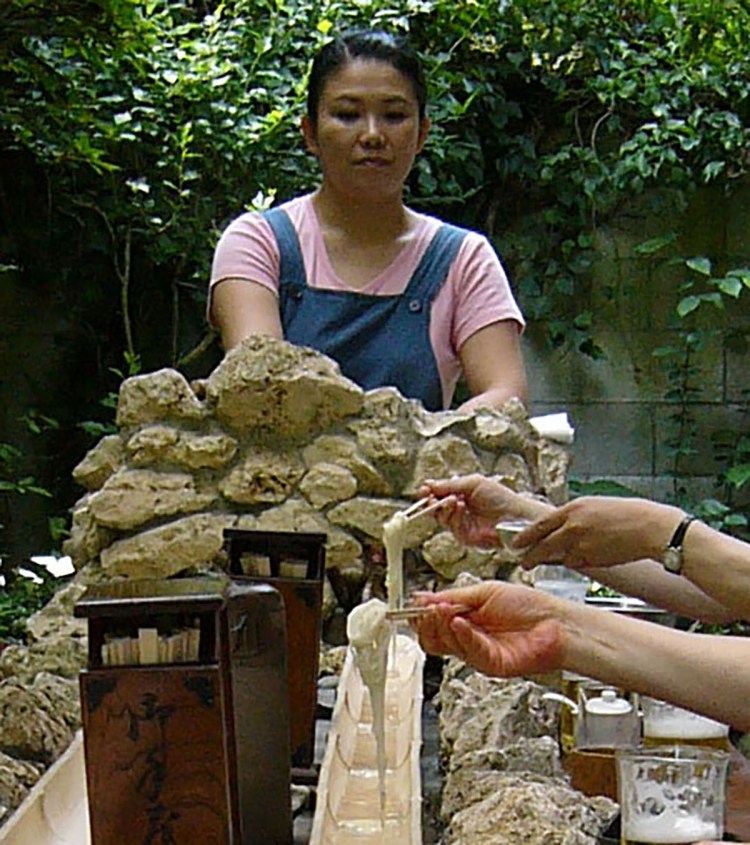
Are you planning on navigating the trains and buses to eat at that restaurant that went viral for the noodles you catch with your chopsticks as they float down a stream in the middle of the table? Sadly, unless you’re in Japan between May and October, you might be disappointed. Nagashi sōmen is a summertime treat, and the minute the season turns, it’s off the menu.
Because in Japan, it’s not just fruits, vegetables and seafood that are only available “in season.”
The first time I went to Japan, I become so obsessed with MeltyKiss chocolate that the minute I booked my summer vacation tickets, I was already calculating how much empty suitcase space I’d need to bring back a major haul.
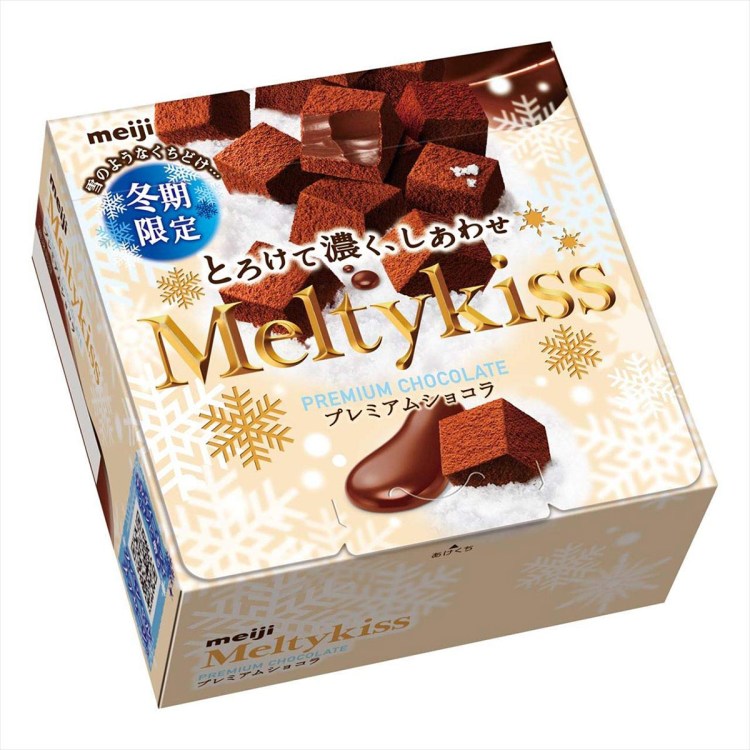
As soon as I landed, I made a beeline to the nearest 7/11. Augh! No MeltyKiss! I tried another store. Nope. Another. A different chain. A supermarket. No, no, no. Then a Japanese friend explained: nobody sells MeltyKiss in the summertime because it, well, melts. Japanese summertime chocolate has a shiny coating that stops it from getting your hands all sticky on its way from bag to mouth.
Fruits, vegetables and seafood obviously go out of season because they only grow/are caught at certain times of year, but other foods disappear for other reasons. Like, nobody wants to eat a hearty stew midsummer, or a snow cone in December. Others go out of season for practical reasons, like the chocolate that would melt all over your hands or the mosquito coils that are only necessary during the months those pesky bugs come out in swarms.
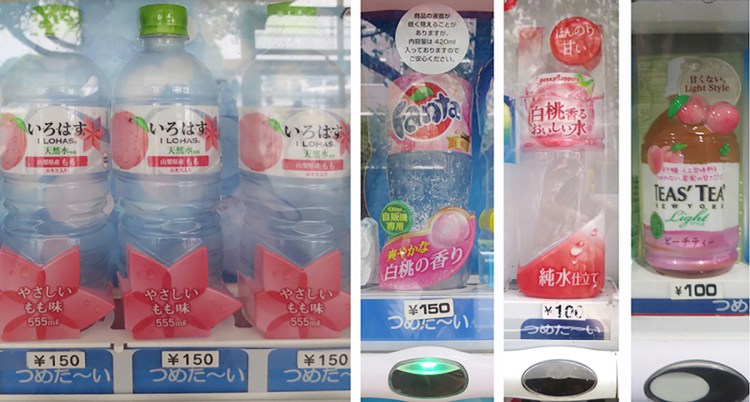
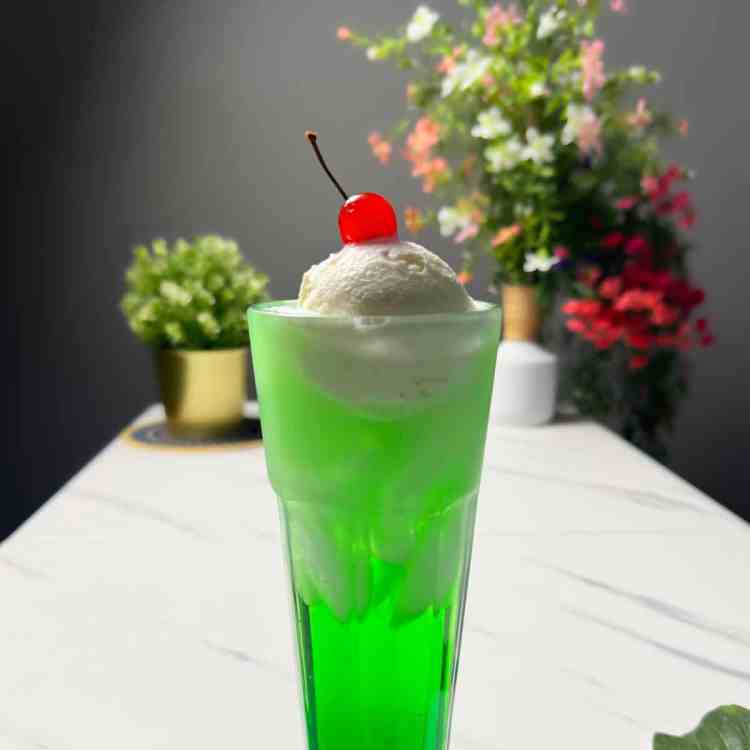
Even foods that could be manufactured from their utterly unnatural ingredients at any time of year—like Peach Fanta or “melon” soda—are sold only “in season,” to take advantage of the public’s fervor for the flavor of the moment. This applies to drinks (like these vending machine sodas, flavored waters and soda fountain drinks)…
specialty coffee drinks and soda fountain treats…
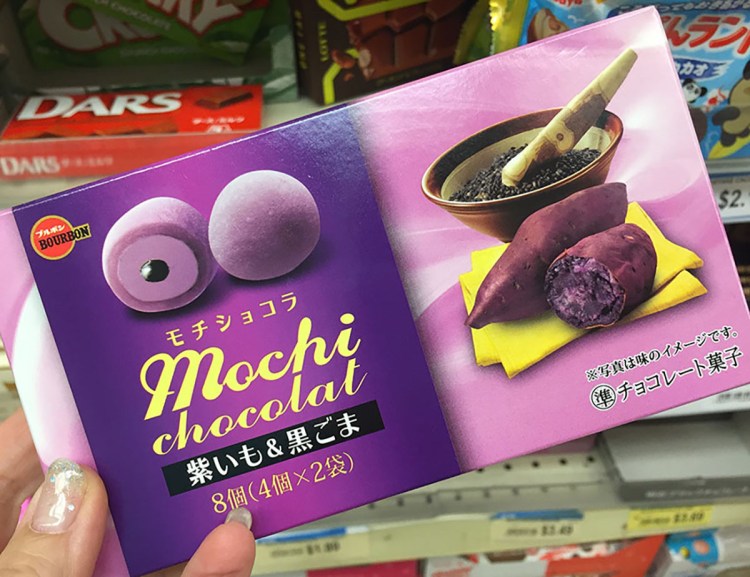
candy (some fruit—and even vegetable!—flavors change with the seasons)…
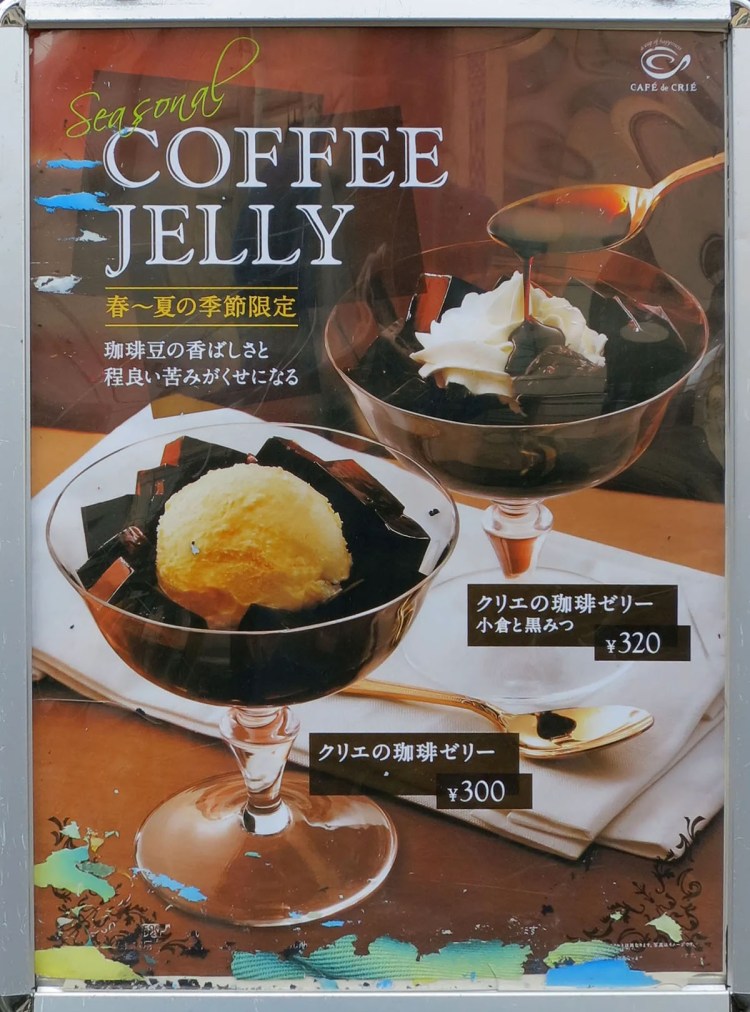
desserts…
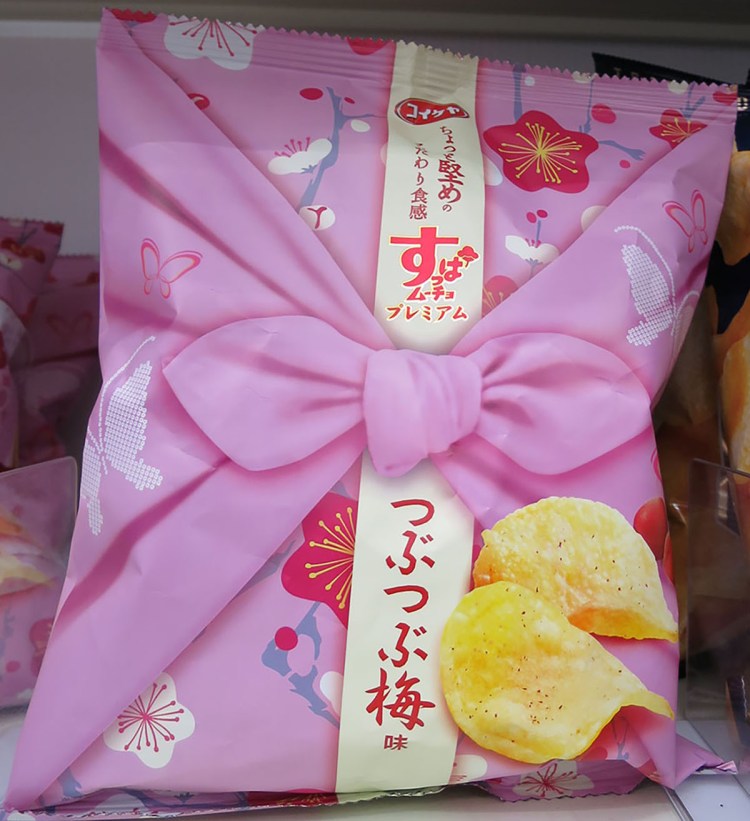
and snacks
But whatever the reason, if food or goods are “out of season” in Japan, you can’t find them for love or money. So, here are some of the treats you’d better try when you have the chance, because tomorrow they might be gone!
I’ve listed all the foods especially associated with each season—the ones in bold are what you really can’t get any other time of year; the others are foods you might be able to find, but are far more flavorful and available in greater variety when eaten in season.
Summer
Fruits: Momo (peach), yuzu (citrus), meron (Japanese muskmelon), budō (Kyoho grapes), nashi (Asian pears), suica (watermelon)
Veggies: edamame (boiled soybeans), goya (bitter melon), kyūri (cucumber)
Seafood: Unagi (eel), ayu (freshwater river fish), kisu, aji, uni
Sweets: Kakigori (shave ice), coffee jelly, chocolates with shiny coatings, fruit-flavored candy
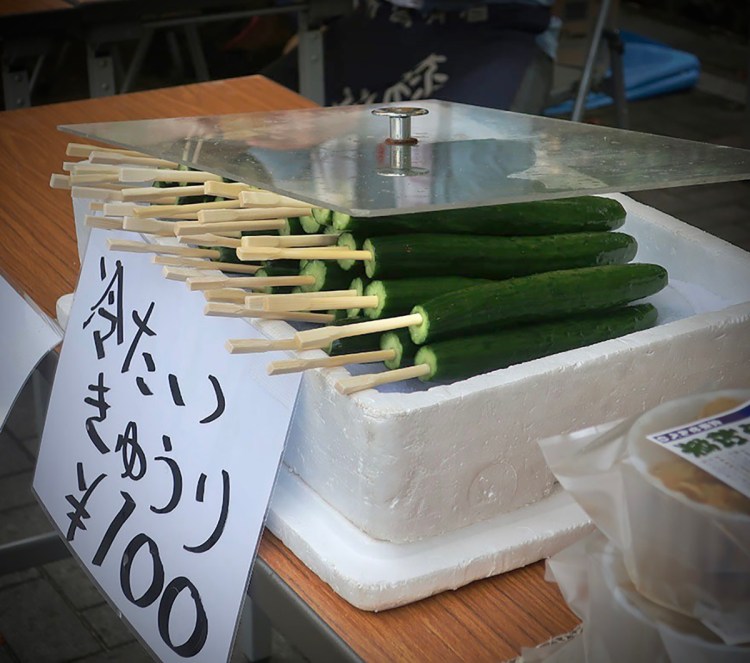
Cucumbers are available year-round now, but noshing on a crisp cucumber-on-a-stick is a nostalgic summertime festival treat…
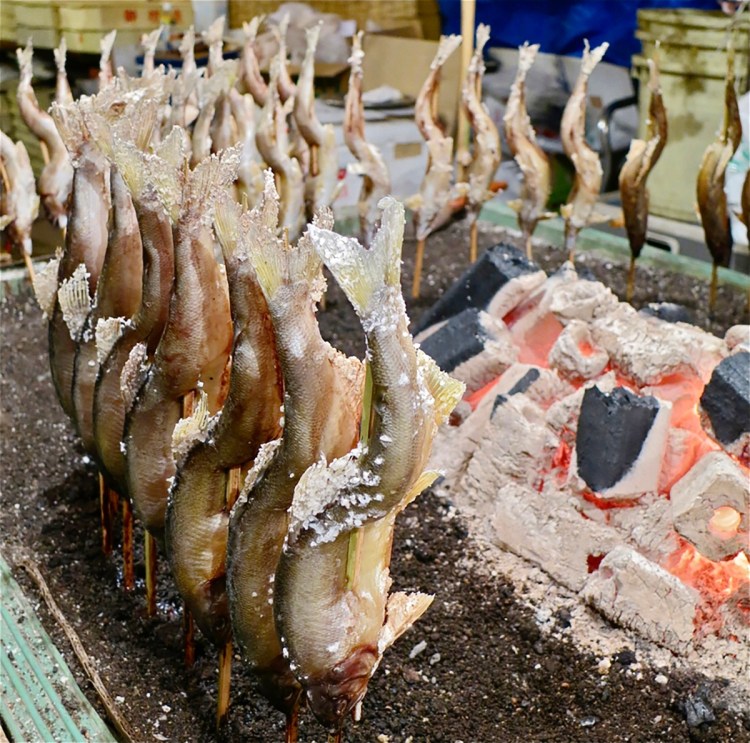
as is charcoal-grilled ayu, a freshwater fish that brings back childhood summertime fishing trips to a cool river in the countryside, and grilling them like this over a campfire with dad.
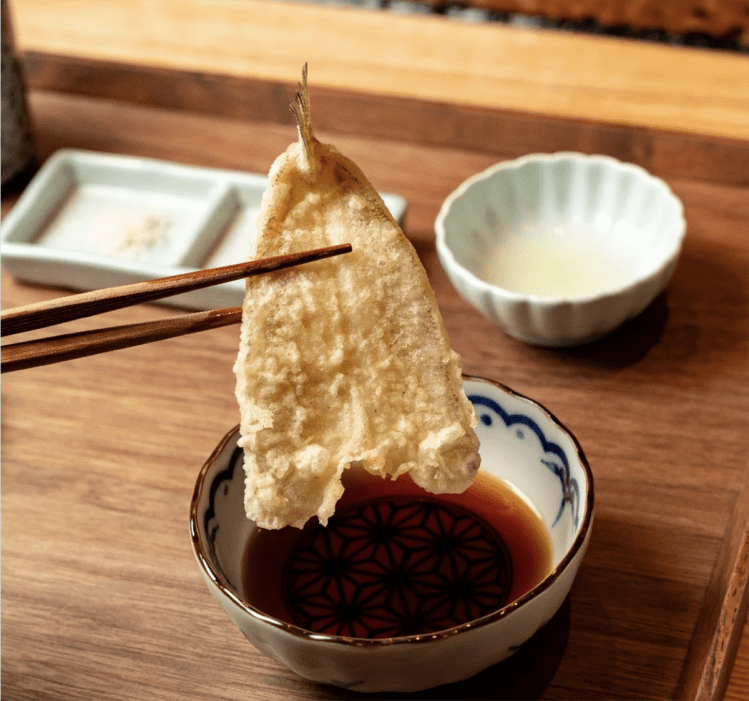
Summer is also high season for filets of the tasty and tender little fish known as kisu—everyone rejoices when they appear on the tempura platter.
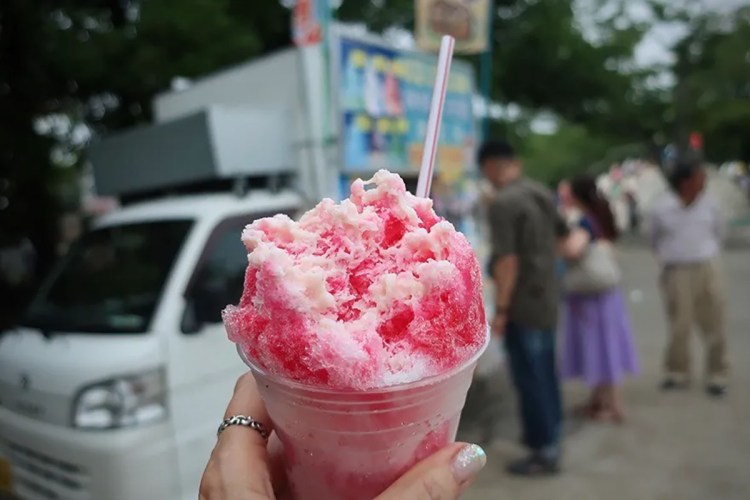
And no Japanese summer would be complete without at least one brain-freezing shave ice, whether a classic fruit-flavored syrup with condensed milk over a mountain of snowy goodness…
or an upscale gourmet concoction featuring the classic combo of Okinawan brown sugar and roasted soybean powder…
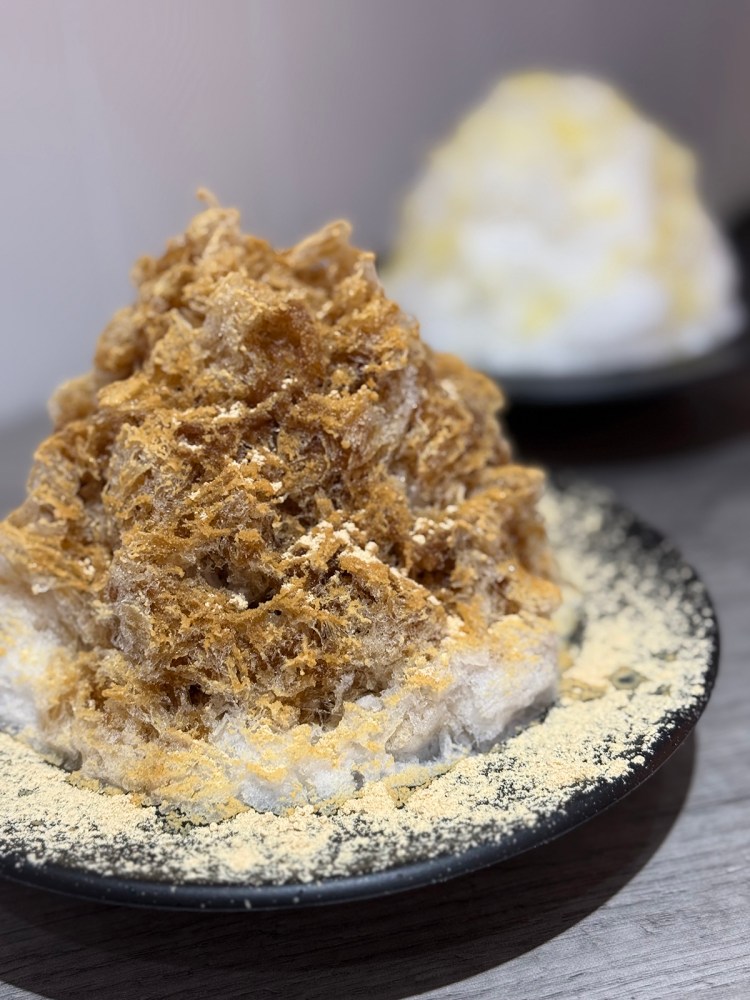
matcha green tea and red bean, or any number of the nouveau mixology-esque taste sensations available at upscale shave ice parlors. The thing that sets these apart from the lowly sno-cone of my childhood ballparks is the ice, which is shaved with a razor-sharp blade into mounds as fine as actual snow, which absorbs the flavors instead of sending them pooling at the bottom of the bowl.
Autumn
Fruits: kaki (persimmons), ringo (apples)
Veggies: kuri (chestnuts), matsutake mushrooms, kabocha (Japanese pumpkin)
Seafood: Sanma (grilled Pacific saury), saba (mackerel), saumon/sake (salmon), hirame (fluke), sayori (halfbeak), shirako
Sweets: Mont Blanc
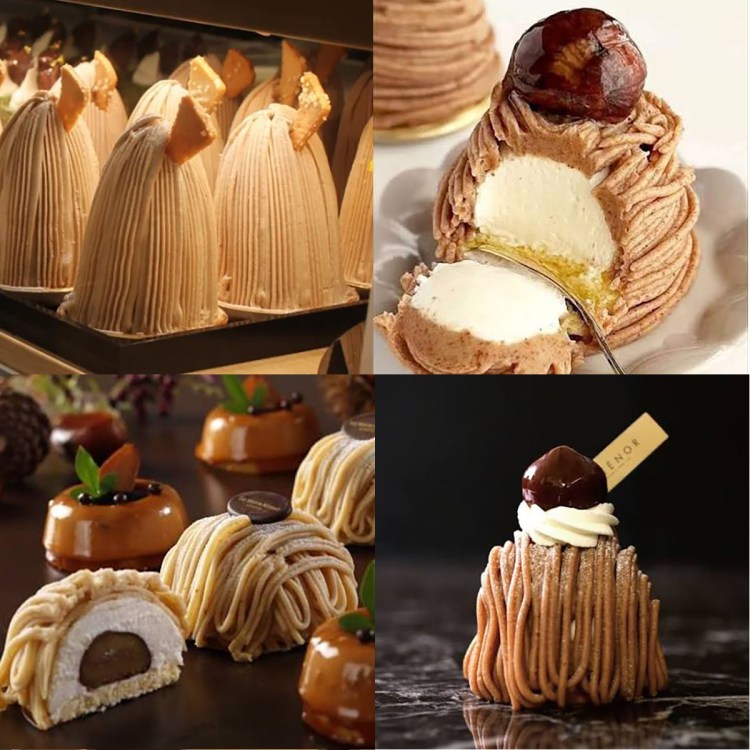
Kabocha pumpkins and chestnuts appear all over autumn menus in dishes like kuri gohan (chestnut rice), but chestnuts cross the finish line into dessert territory with the fall dessert all Japan becomes obsessed with once a year: Mont Blanc. Originally from France, Japanese patissiers morph this concoction of sweetened chestnut paste squiggled over a whipped cream and some sort of pastry base into myriad fantastical taste combos, shapes and textures as summer gives way to fall.
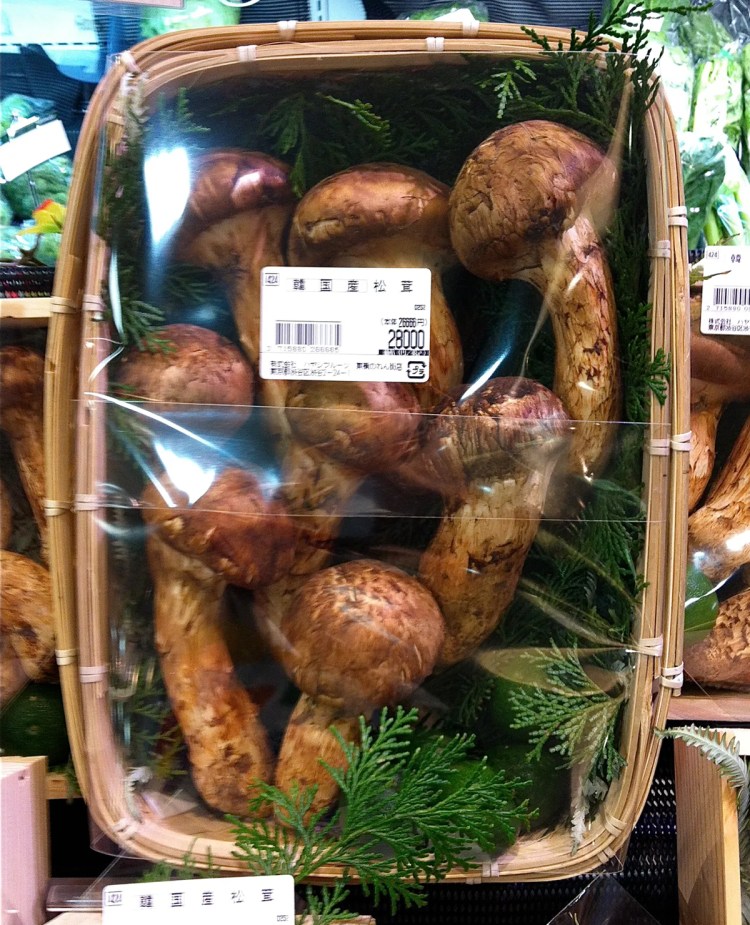
As fabulous as these sweets are, most Japanese would choose a rare mushroom over them if they could only pick one. Matsutake are known for their flavor, but also their price. At the time the photo below was taken, this basket of shrooms would set you back nearly $300 USD.
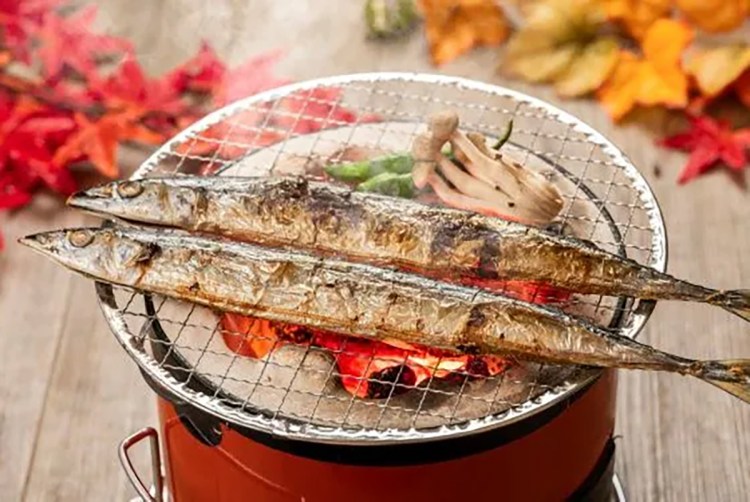
Japan’s most iconic autumn fish is the sanma, a slim saltwater delicacy served grilled…
but it’s also the season when salmon return to the rivers to spawn.
Do you know why there are two words for salmon in Japanese? The indigenous variety is called sake, and is always served cooked, never as sushi or sashimi, because it harbors a parasite unfriendly to humans. The other kind, known as saumon, is imported from Norway and is safe to eat raw.
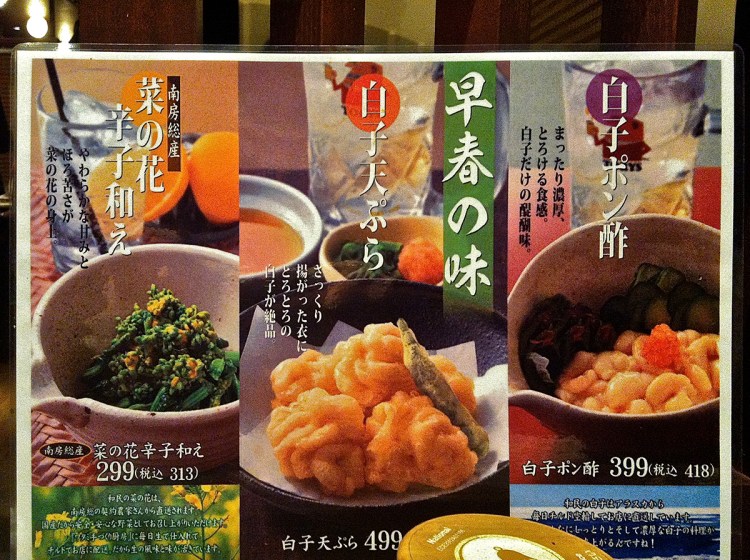
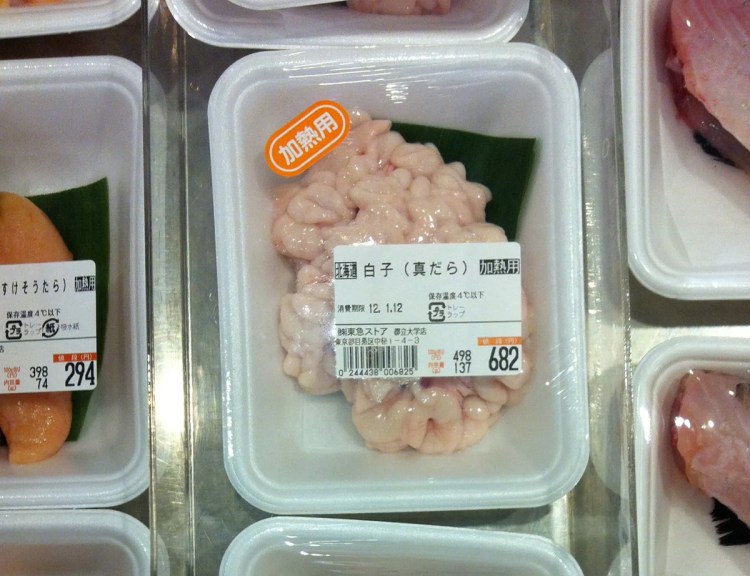
There is, however, one autumn seafood delicacy I must warn you about! Fall brings a certain seasonal special to many izakaya menus: shirako. It’s the one below, in the middle. Do not be fooled by its tasty appearance. Inside that toasty, deep-fried mountain of what looks like mac & cheese is…
Winter
Fruit: mikan (Satsuma mandarin oranges), sudachi (lemon-lime citrus)
Veggies: satoimo (sweet potato), naganegi (leeks), daikon (white radish), renkon (lotus root), hakusai (napa cabbage)
Seafood: Seikogani (snow crab), buri (giant yellowtail), cod tarako mentaiko, fugu (poisonous pufferfish), hotaru ika (firefly squid),
Special dishes: Oden, nabe, toshikoshi soba (new year’s) osechi ryori
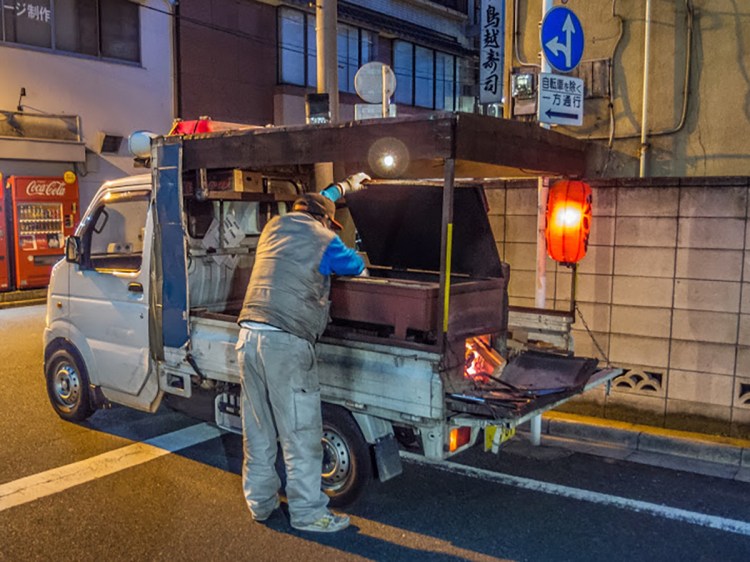
There’s no sweeter sound to a Japanese person’s ears on a cold winter night than the roasted yakiimo man’s “Ya-a-a-ki-mo-o-o!” song ringing out as his truck slowly makes its way down the back streets, woodfire blazing in the truck bed under a box of piping hot foil-wrapped sweet potatoes.
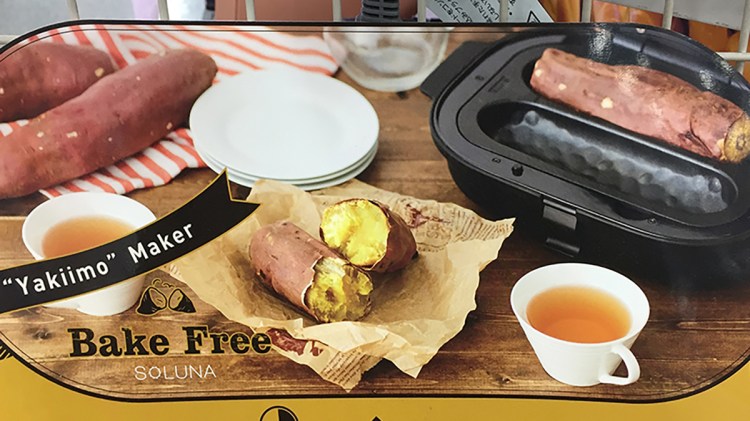
Those not fortunate enough to have a yakiimo man still working their neighborhood can still enjoy the classic taste of fall, though, with this dedicated sweet potato roaster I saw at Yodobashi Camera..
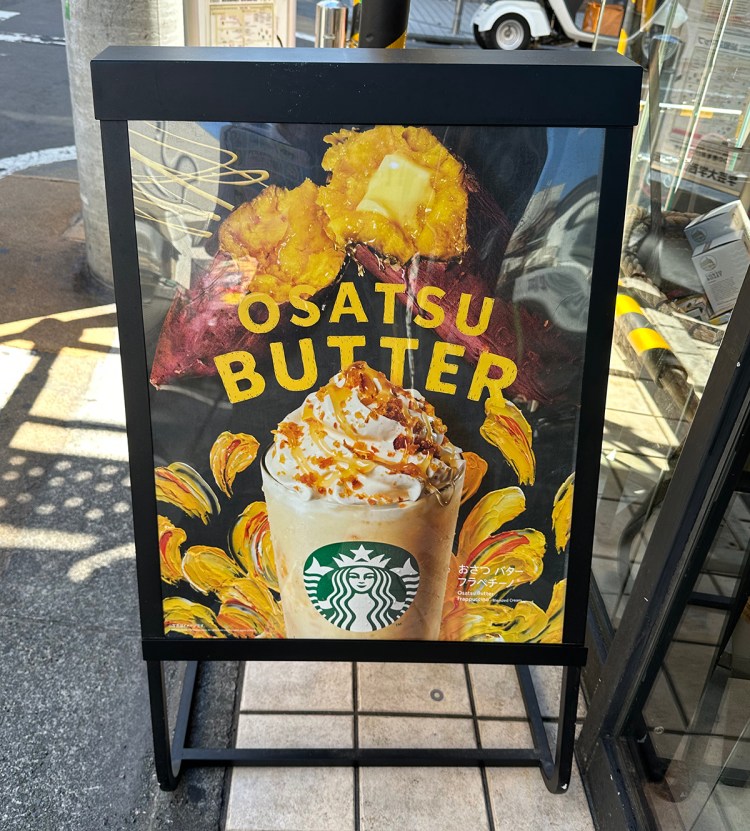
or nip into their local coffee chain, where the yakiimo taste is so beloved it makes its way into as many specialty coffee drinks as pumpkin spice.
The other winter vegetable that looms large in the Japanese imagination (and on the Japanese table) is the humble white radish, about which the haiku master writes
When the winter chrysanthemums go,
there’s nothing to write about
but radishes.
—Bashō
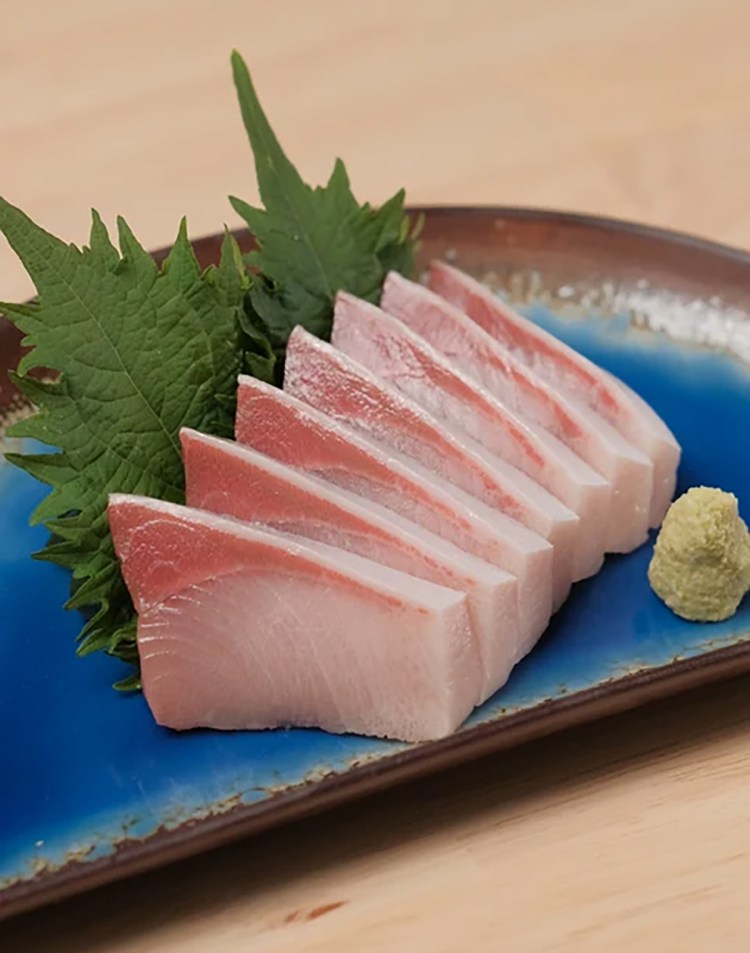
Winter is also the season for buri, the name reserved for wild-caught yellowtail that have grown to be more than 80 cm long (over 30 inches). The yellowtail is honored among Japanese fish by using different names for it during its growth cycle. In the West, we most commonly encounter this fish as hamachi—farmed yellowtail that’s grown 30-60 centimeters long—so having a chance to eat buri in Japan is a great opportunity to compare and contrast!
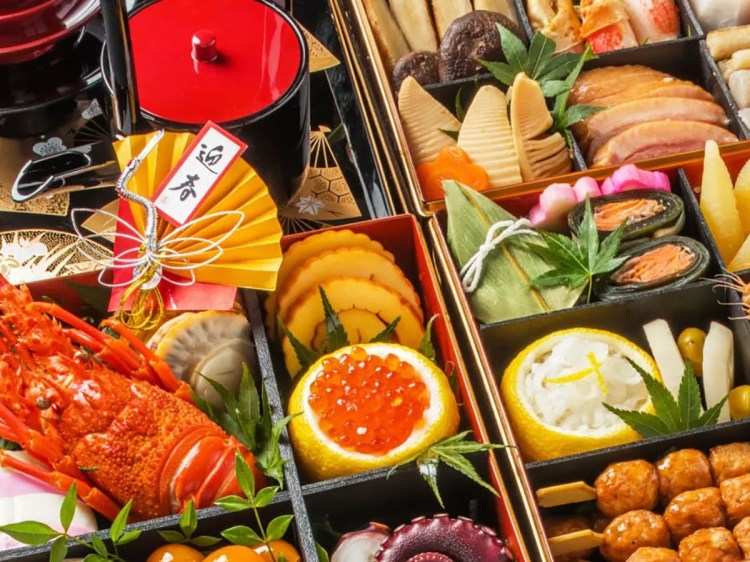
Winter is also the season for two types of food only sold at New Year’s—the long noodles eaten to ensure long life (toshikoshi soba) and the cold box of symbolic delicacies known as osechi ryori.
Japanese are traditionally forbidden to work for the first three days of the new year, and this included housewives whose work was 24/7 and was literally never done. In order to observe this three day “vacation,” they had to cook like crazed weasels for at least a week beforehand in order to prepare enough special lucky foods to last the family for the three days of no stove lighting. No surprise, this was one of the first tasks to be outsourced to restaurants and department stores the moment Japan became wealthier.
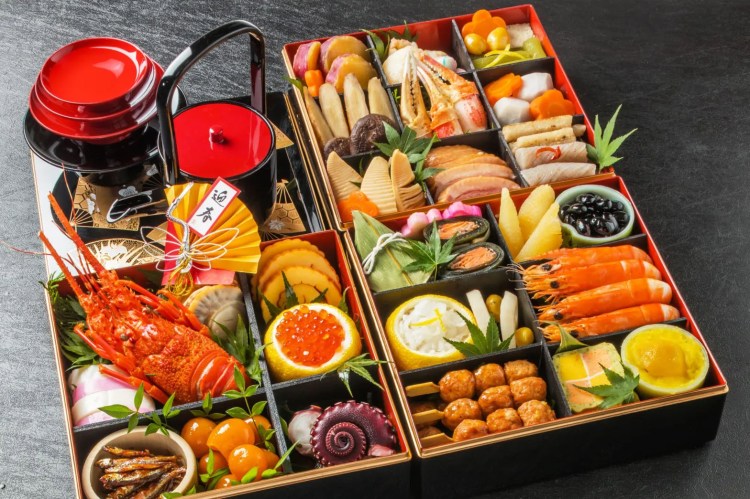
Nowadays, everyone orders their osechi ryori weeks in advance—from high-end grocery stores or department store food halls—and everyone can enjoy the time-consuming luxury foods that are never eaten any other time of year. If you happen to be in Japan over the New Year’s holiday, seek out a place a few days before New Years and order some for yourself—it’s a rare opportunity to eat fancy traditional foods that are never served in restaurants.
Spring
Fruits: ume (plum)
Veggies: Takenoko (bamboo shoots), jaga-imo (new potatoes), shiitake (mushrooms), fuki (butterbur stems)
Seafood: Kisu, tai (snapper), katsuo (bonito), sawara, aji (horse mackerel), hamo (saltwater conger eel), kanpachi (amberjack), suzuki (Japanese seabass), awabi (abalone)
Seasonal specialty: “Sakura“-flavored pink foods
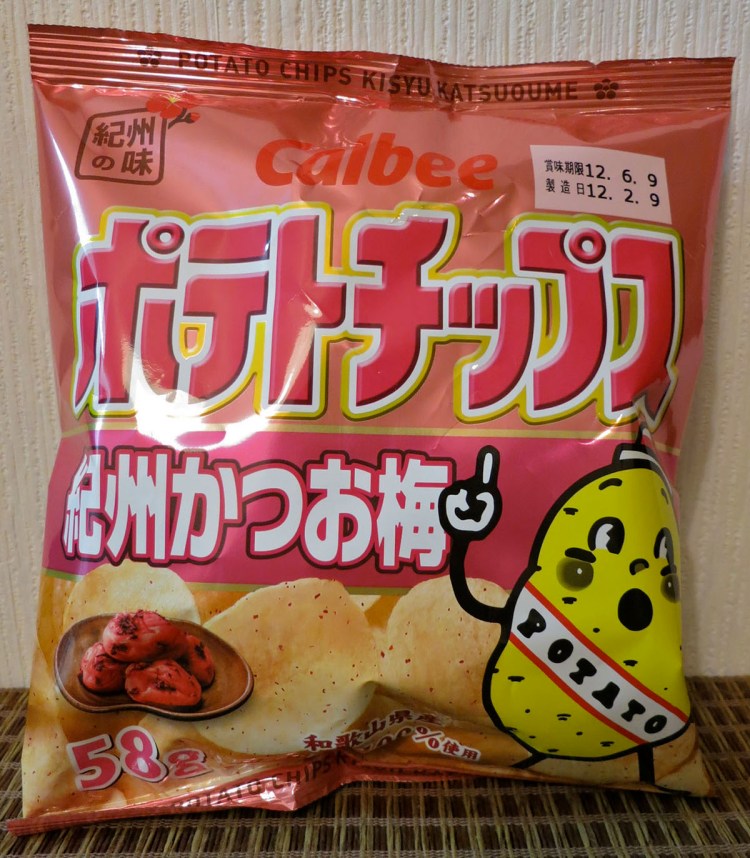
Plums are the first trees to blossom when everything else is still bare and brown, so natually they are the first fruits of spring to get their own lines of products. But because they won’t actually produce ripe fruit for several more months, the intensely sour-salty pickled plums known as umeboshi are what bring zest to everything from potato chips to snack crackers.
The seafood of spring is noteworthy too—everybody is happy to see the very first catches of katsuo and kanpachi hit the sushi bar.
But the oddest—and most only-in-Japan—foods of spring aren’t a flavor, but they’re a color: pink. There are a few genuinely “sakura” flavored items, like this Haagen-Dazs limited edition ice cream.
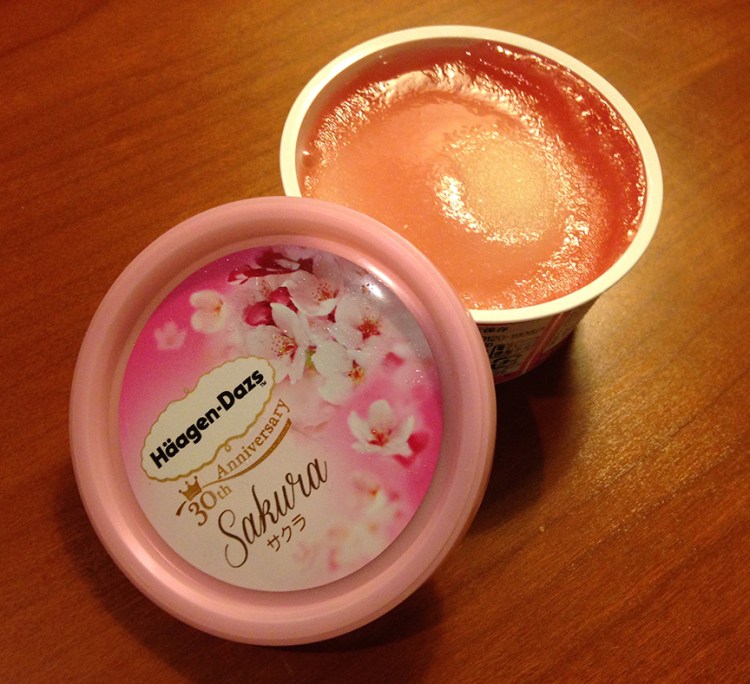
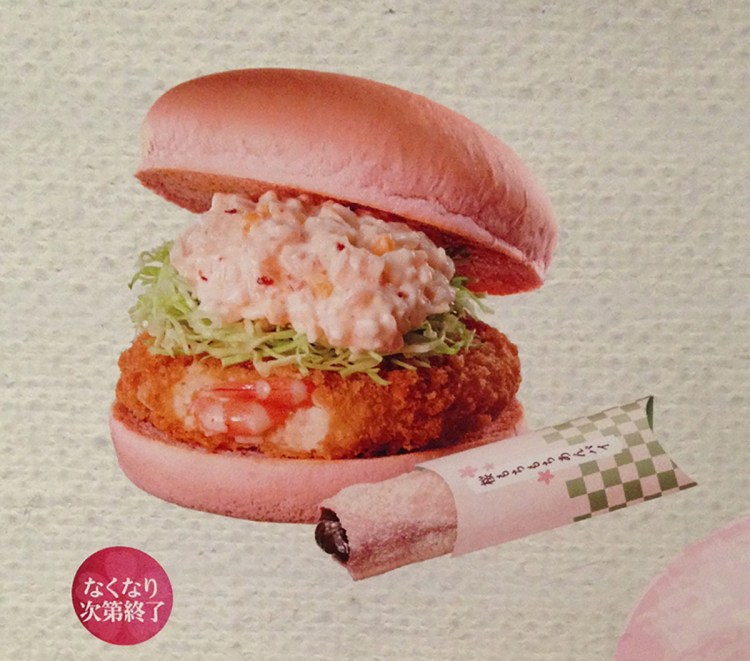
Actual “cherry blossom” flavor is (in my humble opinion) one of the few great food disappointments of Japan, but fortunately, most of the sakura-themed pink food tastes like other more delicious pink ingredients. Think shrimp patties on pink buns…
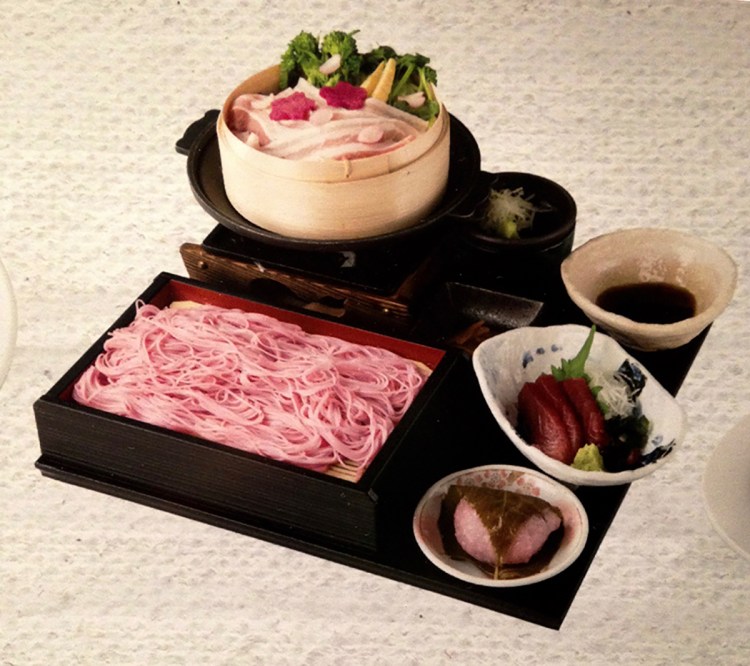
or even entire lunch sets that press beets and tuna into unnatural service. I can’t promise these will be the most rave-worthy meals you’ll ever eat, but they are eminently photogenic and will certainly check all the “super seasonal” and “only-in-Japan” boxes!
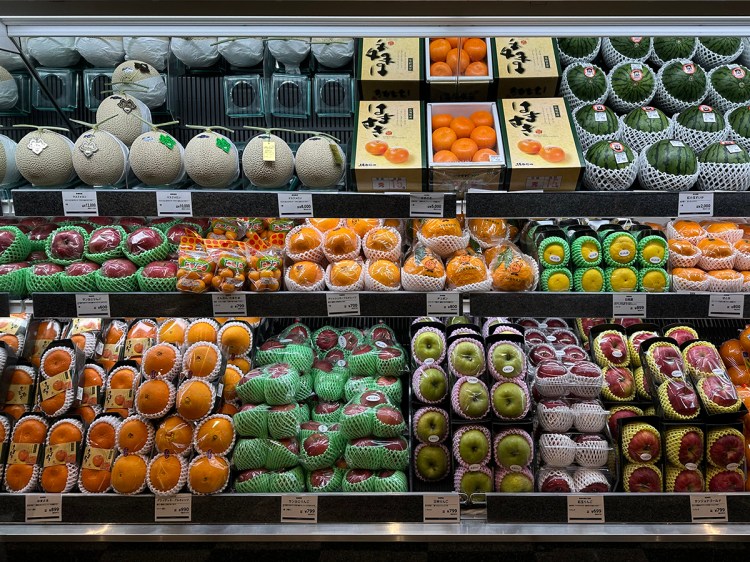
If you’re a dedicated seasonal warrior and want to know exactly what’s in season while you’re in Japan, stop into a Japanese supermarket on your first day and cruise every aisle. Besides being an amazing foodie experience, you’ll know what to look for on menus as you eat your way around Japan!
More seasonal food resources:
• Here is GOTJapan‘s extremely comprehensive list of ALL seasonal Japanese seafood
• Sakurako gives the low-down on Japanese seasonal vegetables
• And here’s a descriptive guide to Japan’s favorite fruits
•
If you enjoyed this, subscribe!
Get all the latest Japan travel tips and tricks for free ヽ(*^ω^*)ノ
Would you like to be whisked away to Japan, wherever you are?
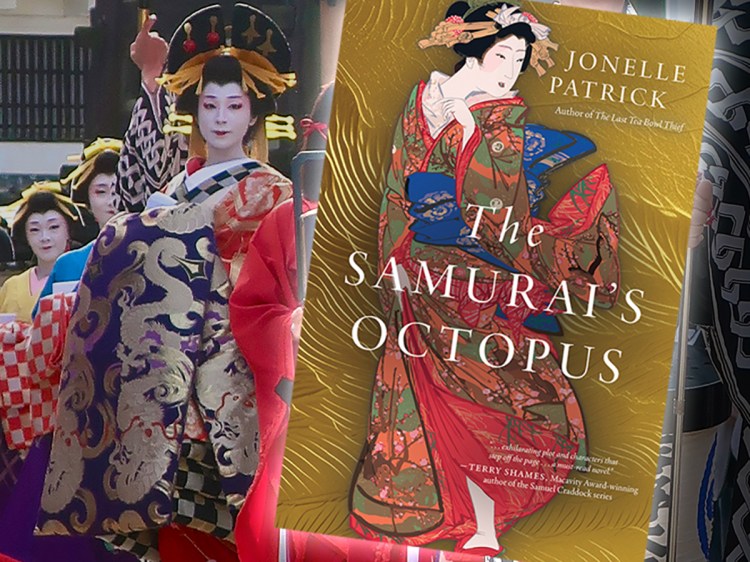

“The Samurai’s Octopus is a truly remarkable book, one that surprised and charmed me at every turn of the page…an enchanting, fascinating journey. You’re in for a treat.”
—James Ziskin, Anthony, Barry, and Macavity Award-winning author of the Ellie Stone mysteries
Jonelle Patrick writes novels set in Japan, produces the monthly e-magazine Japanagram, and blogs at Only In Japan and The Tokyo Guide I Wish I’d Had

