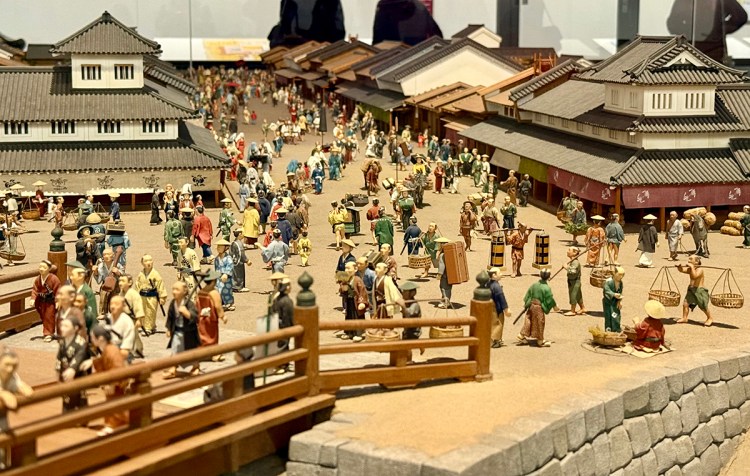
The Edo-Tokyo Museum is back—after four long years of renovation—and it’s still my favorite museum in all of Tokyo! Half of this museum is about everyday life in the Edo Era (during the time of the shōguns, before Japan opened to the West) and the other half is about how Japan changed after 1868, including fascinating info about daily life during WWII. This is no ordinary history museum—its uses incredible must-see models, life-sized dioramas of daily life, carefully chosen artifacts and wonderfully clear explanations of everything from woodblock printmaking to the WWII firebombing.
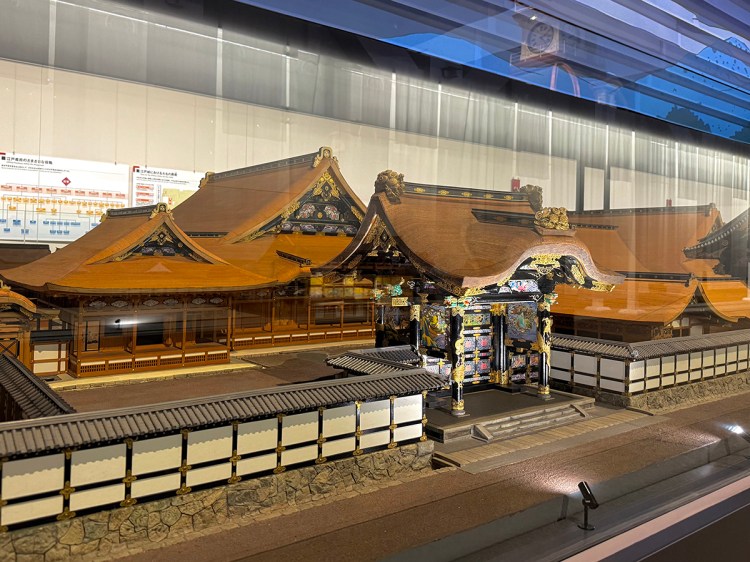
Let’s start on the Edo Period side, with two models that set the stage by contrasting how the haves and have-nots lived under the shōguns. A magnificently rambling daimyō’s mansion illustrates the wealth and power enjoyed by the elite samurai class…
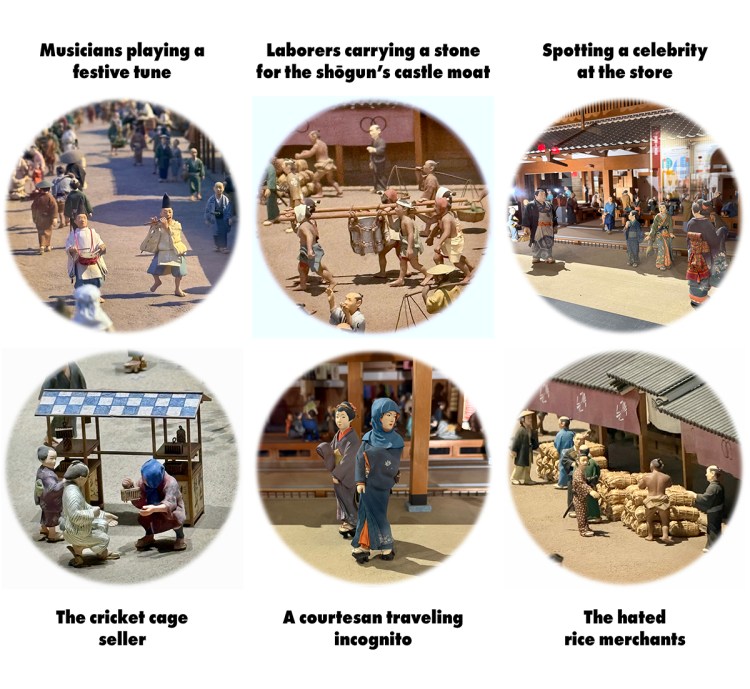
while another shows the crowded and lively city streets where the common people went about their lives.
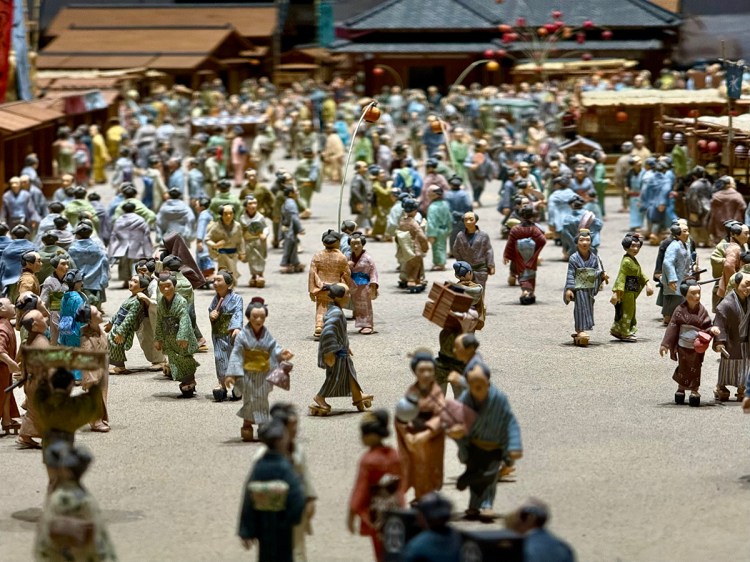
The closer you look at the model of the Tokyo street and the one showing the bustling market area surrounding the Nihonbashi Bridge…
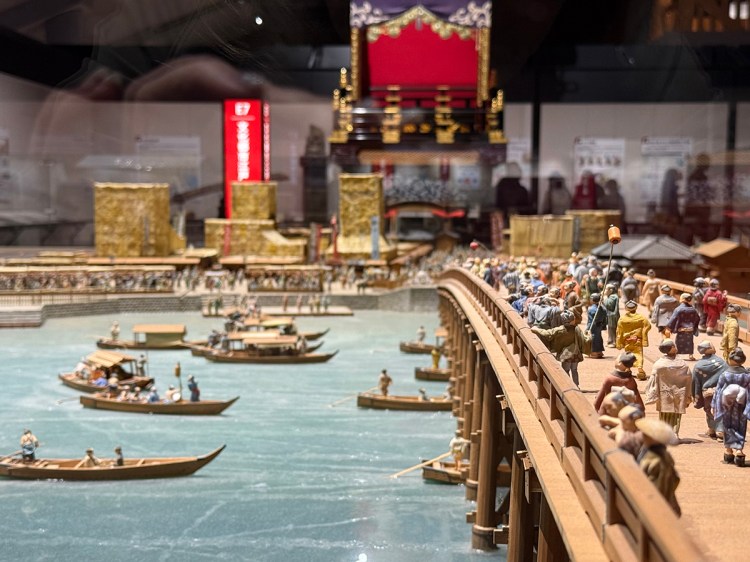
the more you see!
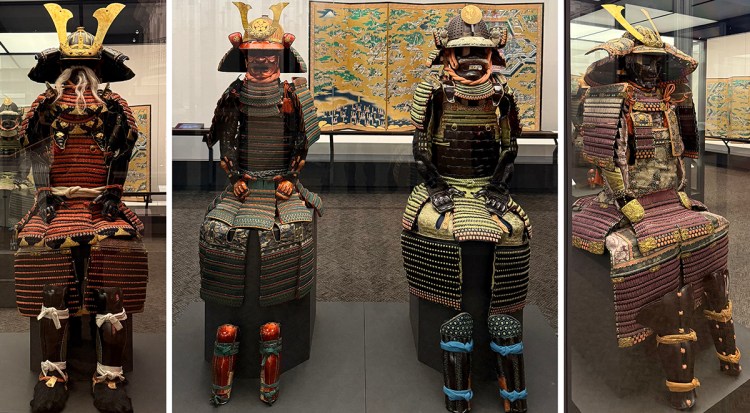
There are satisfying displays of historical artifacts…
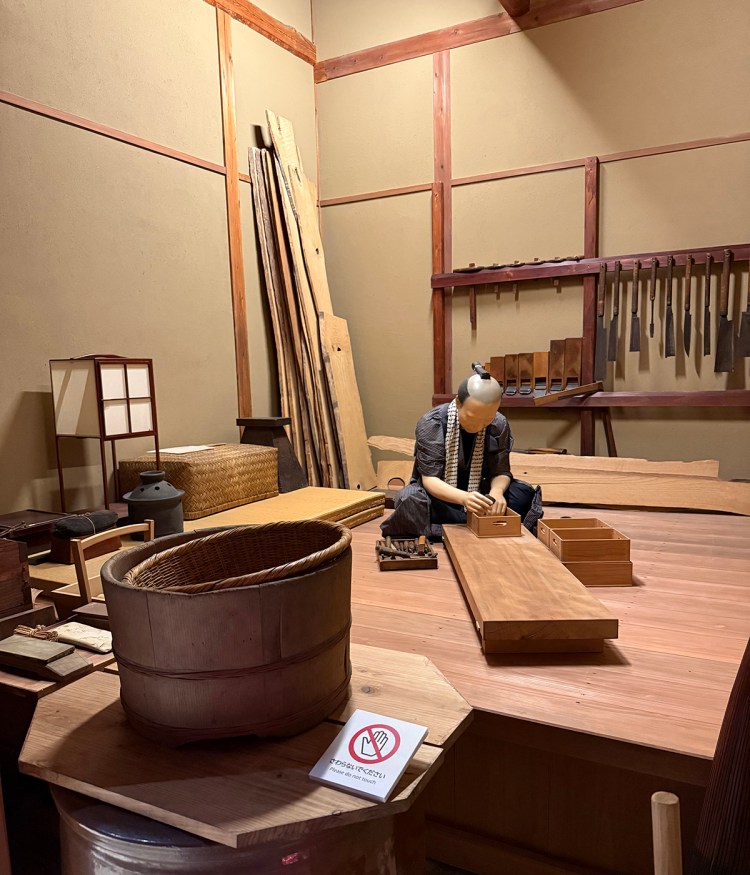
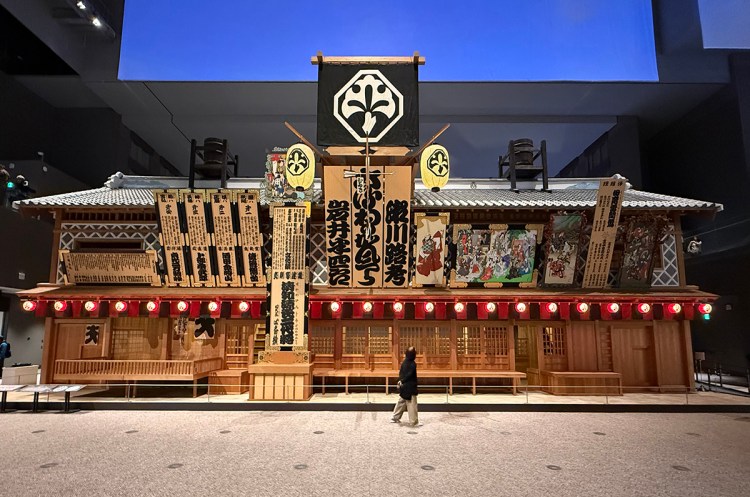
life-size dioramas of uniquely Japanese scenes from everyday life…
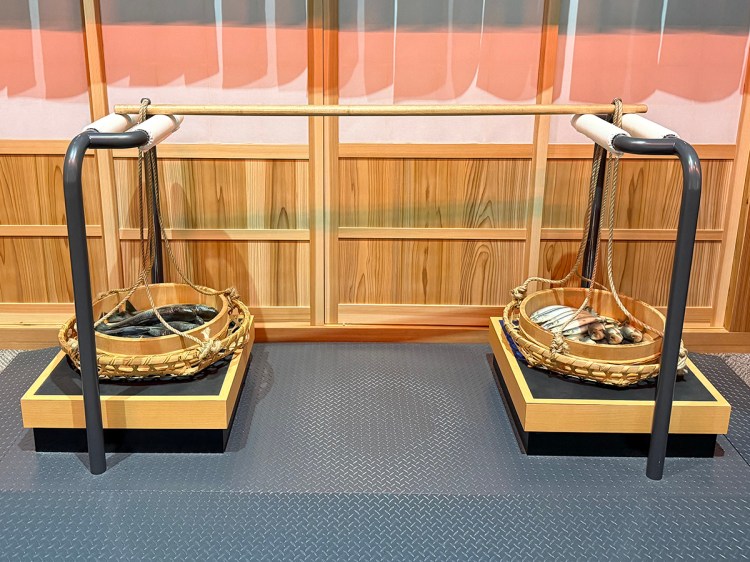
hands-on props galore…
and infographics that surprise and delight…
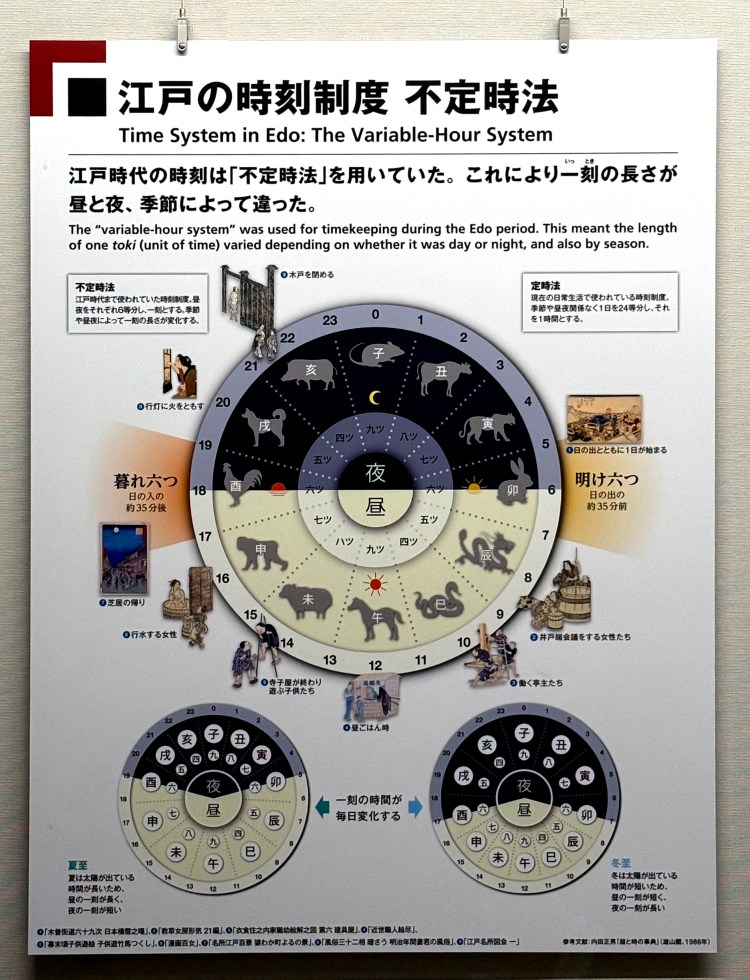
accompanied by clear and thoughtful explanations…
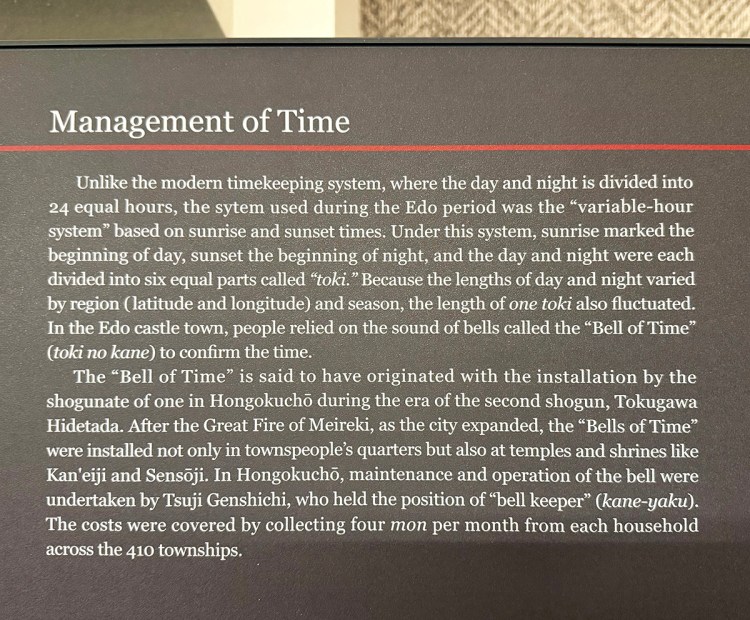
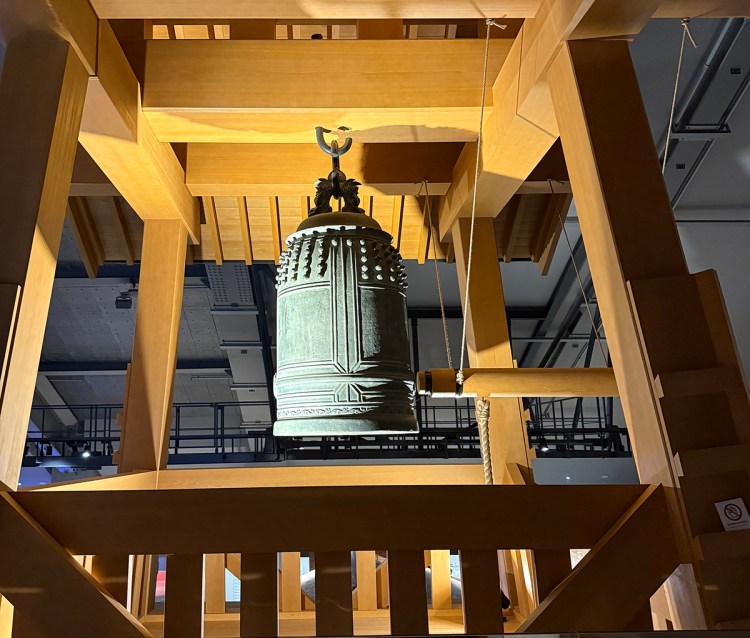
along with actual artifacts.
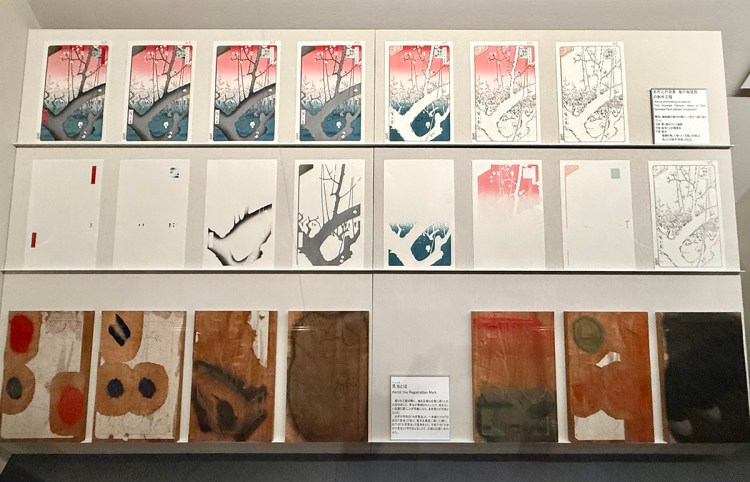
Some displays demonstrated unusual processes, like how woodblock prints were made.
All aspects of life are touched upon with thoughtful commentary about their place in society, including a peek into the arcane delights of the pleasure quarter…
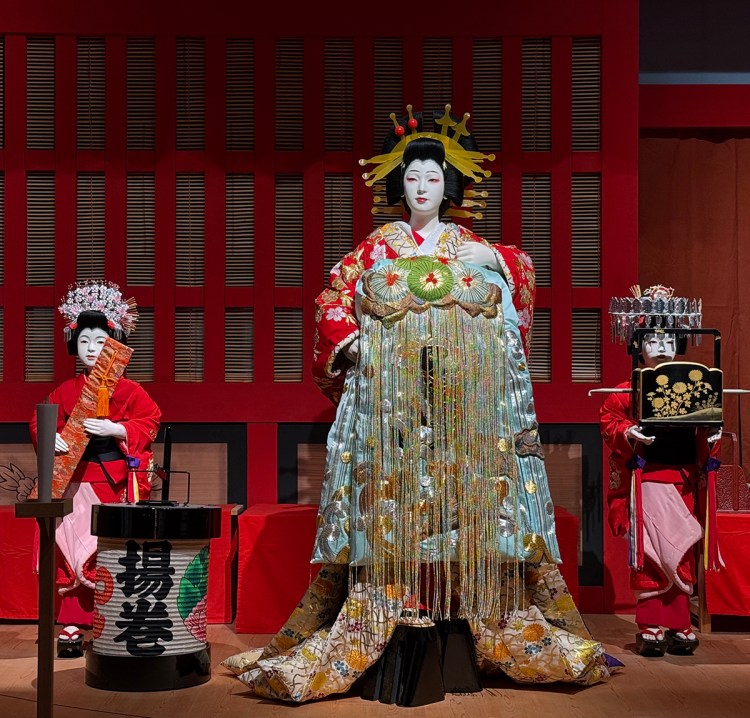
the secrets of kabuki productions’ special effects, and a chance to go backstage at the legendary Kabuki-za theater.
As we move to the other half of the museum—the years after Commodore Perry’s Black Ships arrived in Tokyo Bay and demanded that Japan open to the West and resume trade—the impact of letting foreign influence flood in becomes immediately apparent…and uniquely Japanese. Starting with the Hattori Watch Shop (that would one day become Seiko), we see how Japan embraced new technologies…
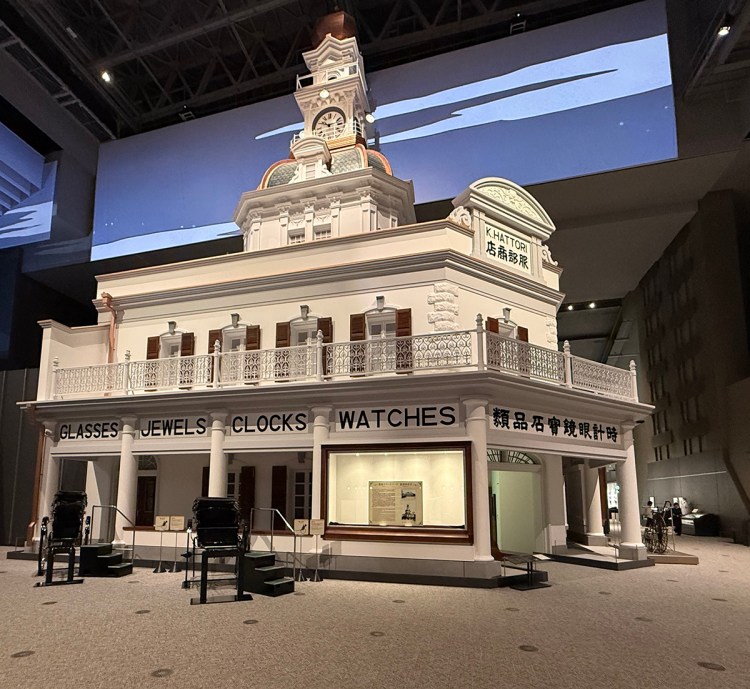
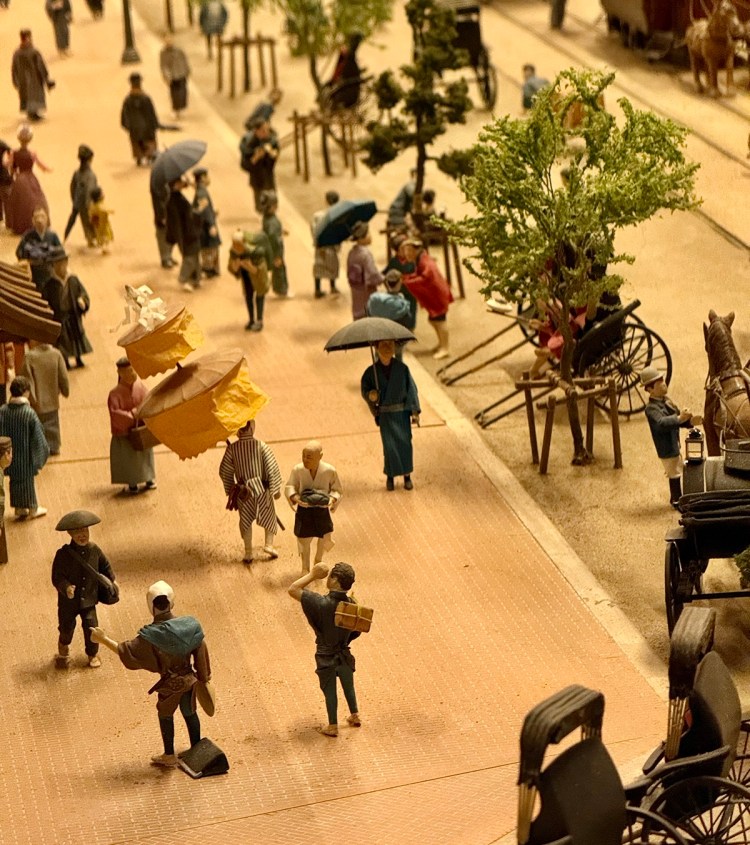
and adapted “Western” fashion, building practices, and pastimes…
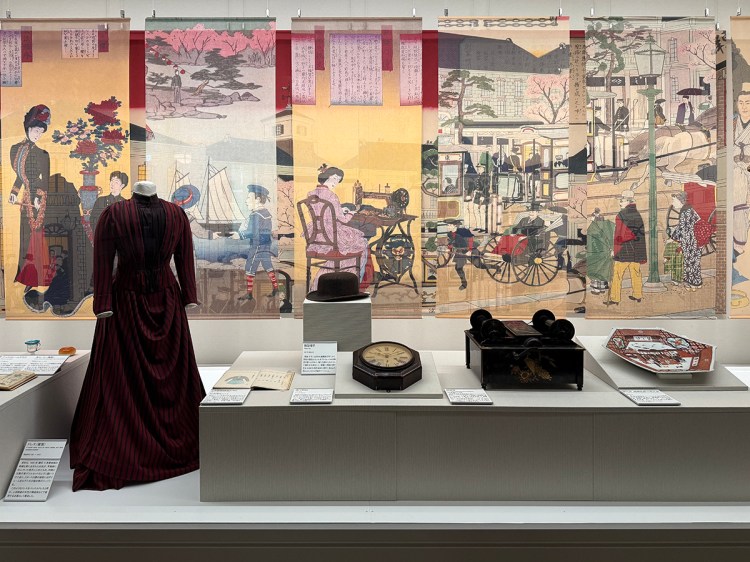
shown through models of the changing streetscape…
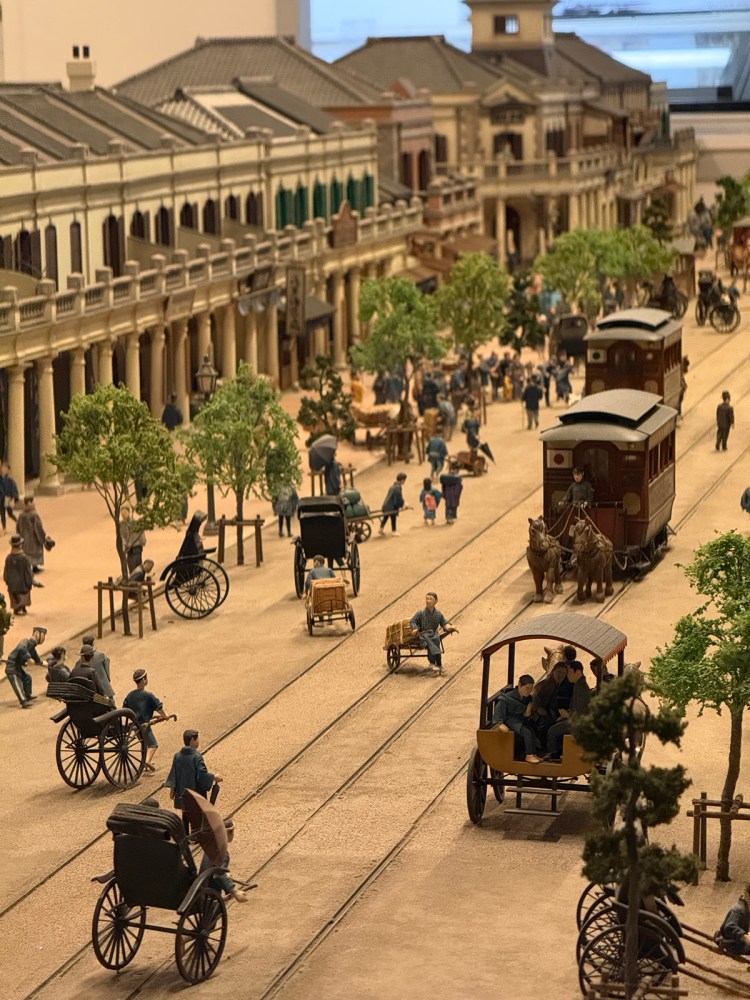
that upon closer inspection, could be nowhere but Japan.
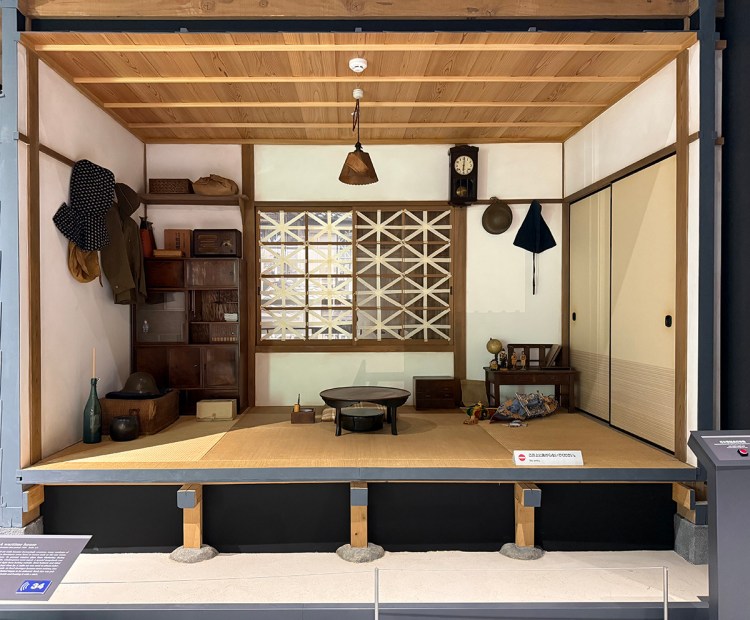
I personally think the most enlightening exhibits in the “modern” half are the aspects of WWII that are little known (or exhibited) in the West. Like the life-sized wartime house…
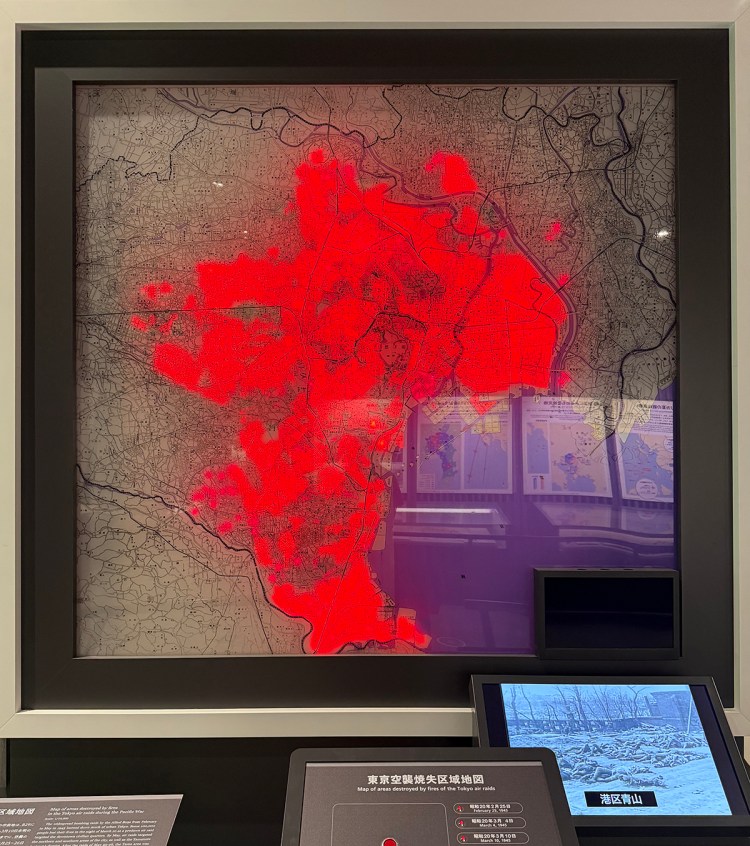
the light-up map depicting the firebombing of Tokyo that killed more civilians than both atomic bombs put together…
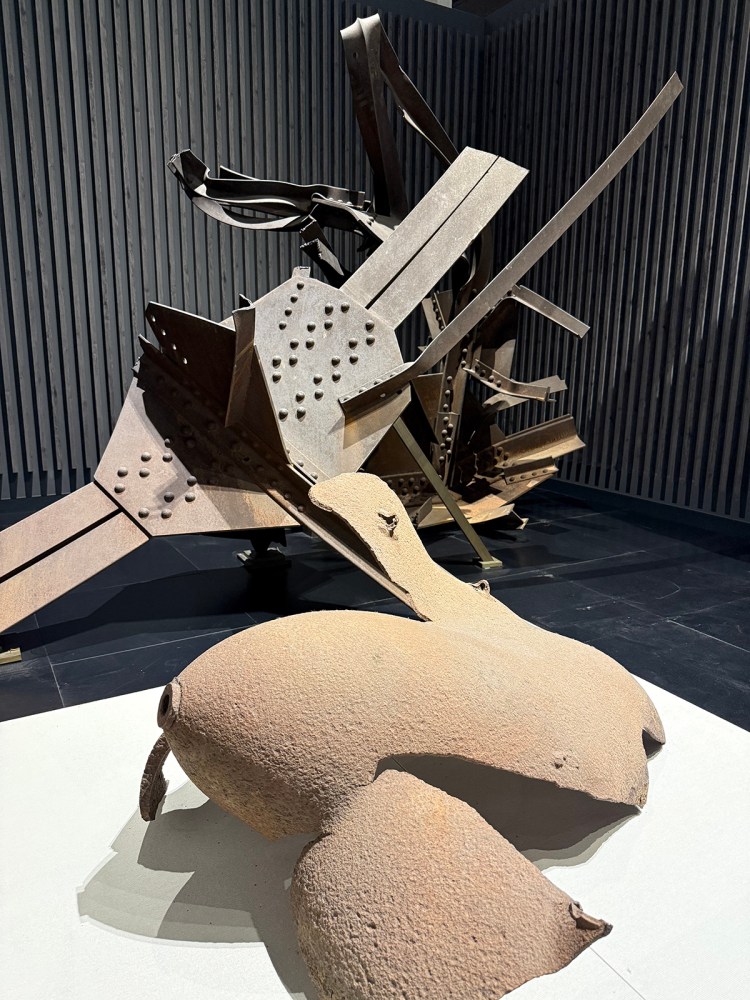
some of the actual twisted debris from bridges and bomb casings left behind…
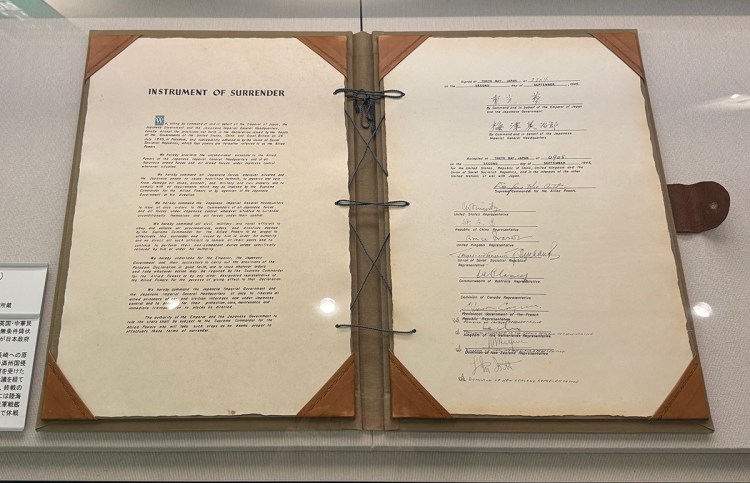
as well as a replica of the actual instrument of surrender (something I’ve never seen anywhere else!)
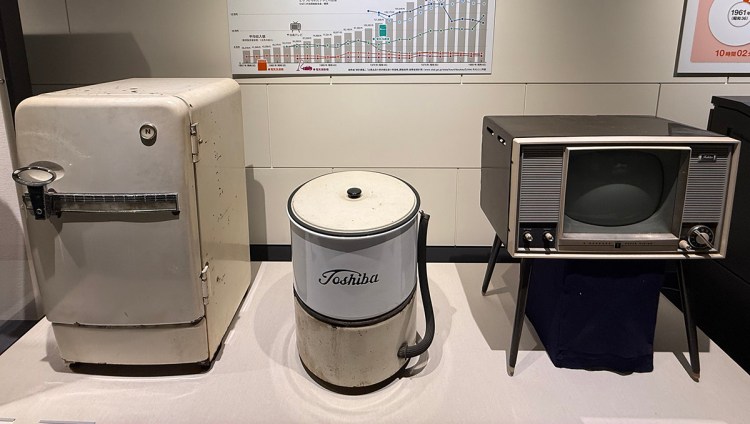
Then back to cheerier exhibits, where the postwar industrial boom is illustrated by interesting details like the “Three Treasures” coveted by all Japanese households…
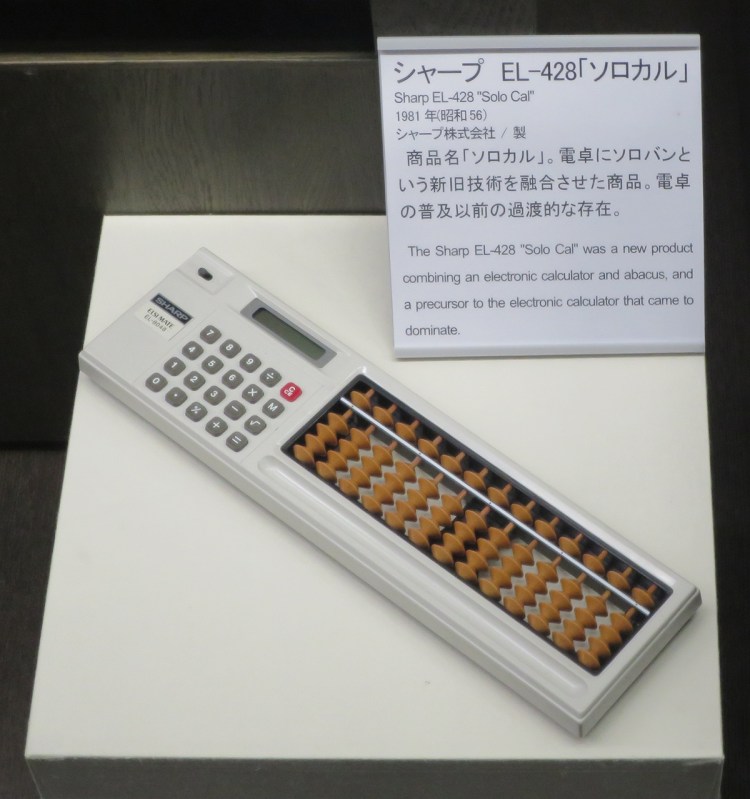
and some of the inventions that attempted to bridge the gap between old and new!
The only major change they made during the renovation was adding gallery space for special exhibitions on the first floor, which allows them to display items from their vast collection that don’t fit into the more general narrative. The inaugural exhibit featured ceremonial fireman’s uniforms like this one, something I’ve never seen anywhere before.
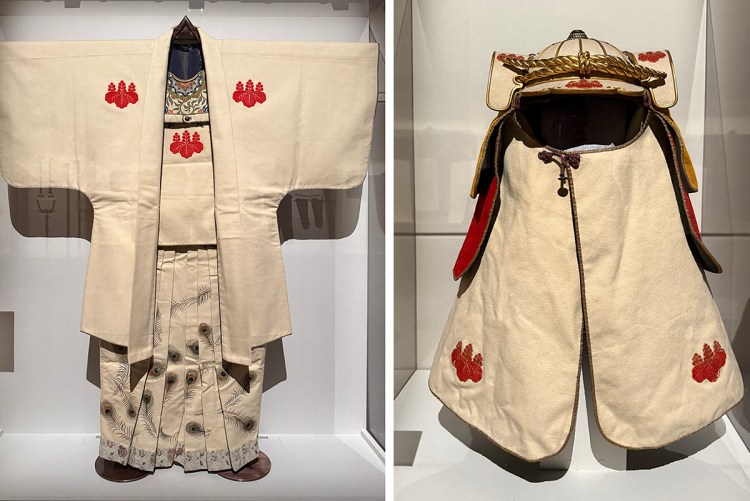
This museum is stuffed with a thousand times more than I could show you here—it’s truly a feast for the eyes and a thought-provoking treasure trove of stuff you didn’t know before. If you really want to understand everything you’ll see while you’re in Japan, check this place out first.
Edo-Tokyo Museum
Open: Every day except Monday
Hours: 19:30 – 17:30 (Saturday:9:30 – 19:30)
Admission: Adults ¥800, Students (high school & college) ¥480, Children (middle school and younger) Free
Important notes about buying tickets: 1) The Special Exhibition tickets do NOT include admission to the rest of the museum. If you want to see both, you have to buy both tickets. 2) Yes, you can buy tickets at the reception desk when you arrive, but there is a horrendously long line all day long (and I do mean stretching through a Disney-like maze and out around the block). But you can walk right in if you buy your tickets online in advance here. I highly recommend that option, even though their ticket vendor is a huge pain in the butt to use and your language choices are Japanese or Japanese. But trust me on this, you’ll thank yourself later if you gird yourself up with Google Translate’s camera feature to aim at your laptop screen and muddle through the Webket portal in advance.
•
•
If you enjoyed this, subscribe!
Get all the latest Japan travel tips and tricks for free ヽ(*^ω^*)ノ
Would you like to be whisked away to Japan, wherever you are?
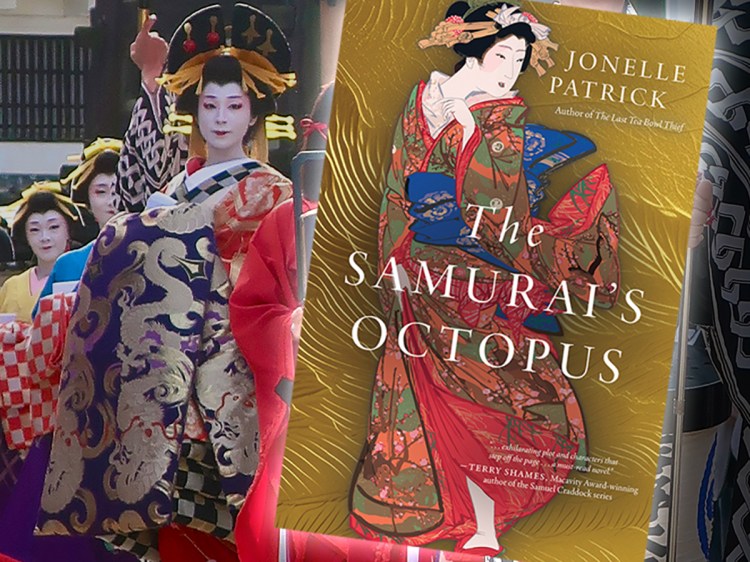

“The Samurai’s Octopus is a truly remarkable book, one that surprised and charmed me at every turn of the page…an enchanting, fascinating journey. You’re in for a treat.”
—James Ziskin, Anthony, Barry, and Macavity Award-winning author of the Ellie Stone mysteries
And here are the other places I take my friends when they come to town
•
Jonelle Patrick writes novels set in Japan, produces the monthly e-magazine Japanagram, and blogs at Only In Japan and The Tokyo Guide I Wish I’d Had

